Democrats just won the biggest House majority either party has held in over three decades, took the Senate, and the first thing their leader did was talk about working with Donald Trump. There's a version of that which is smart and a version which is a slow-motion squandering of a mandate. Which one we get depends on a distinction Democrats have not always been good at drawing: cooperating on outcomes is not the same as cooperating on terms.
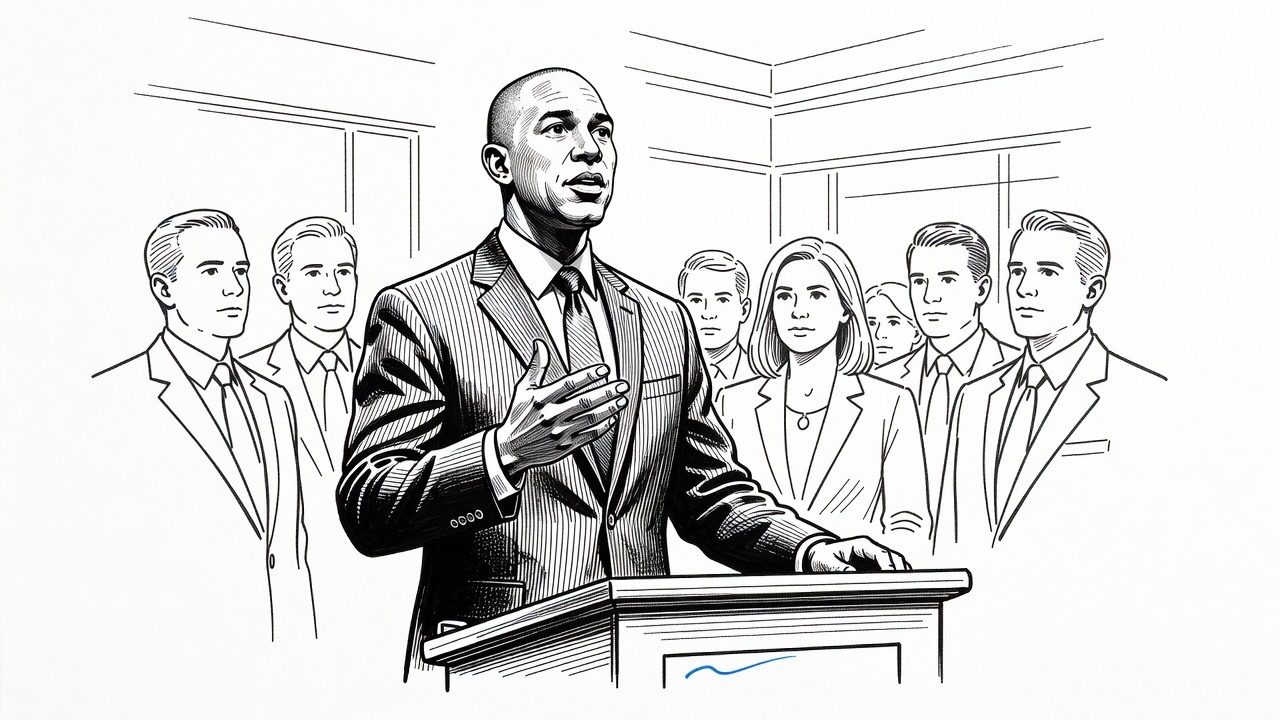
Start with what's good. Hakeem Jeffries named Medicare eligibility and dental, vision and hearing coverage, and he named the cost of living. This is the right agenda, because it is what voters just paid us to deliver. Anyone who has tried to find a dentist on a fixed income, or watched a parent skip hearing aids because Medicare won't cover them, knows these aren't wonky add-ons. They are the daily indignities of an economy that treats basic health as a luxury. Lowering the Medicare age is popular because it's obvious: if the program works for 65-year-olds, it works for 60-year-olds.
And Trump's credit card interest cap? Elizabeth Warren is right to take yes for an answer. Card companies charge Americans punishing rates while posting profits that would embarrass a loan shark. If the president wants to pick a fight with the banks, Democrats should hand him the bat. Refusing a good policy because the wrong man proposed it is not principle. It is vanity.
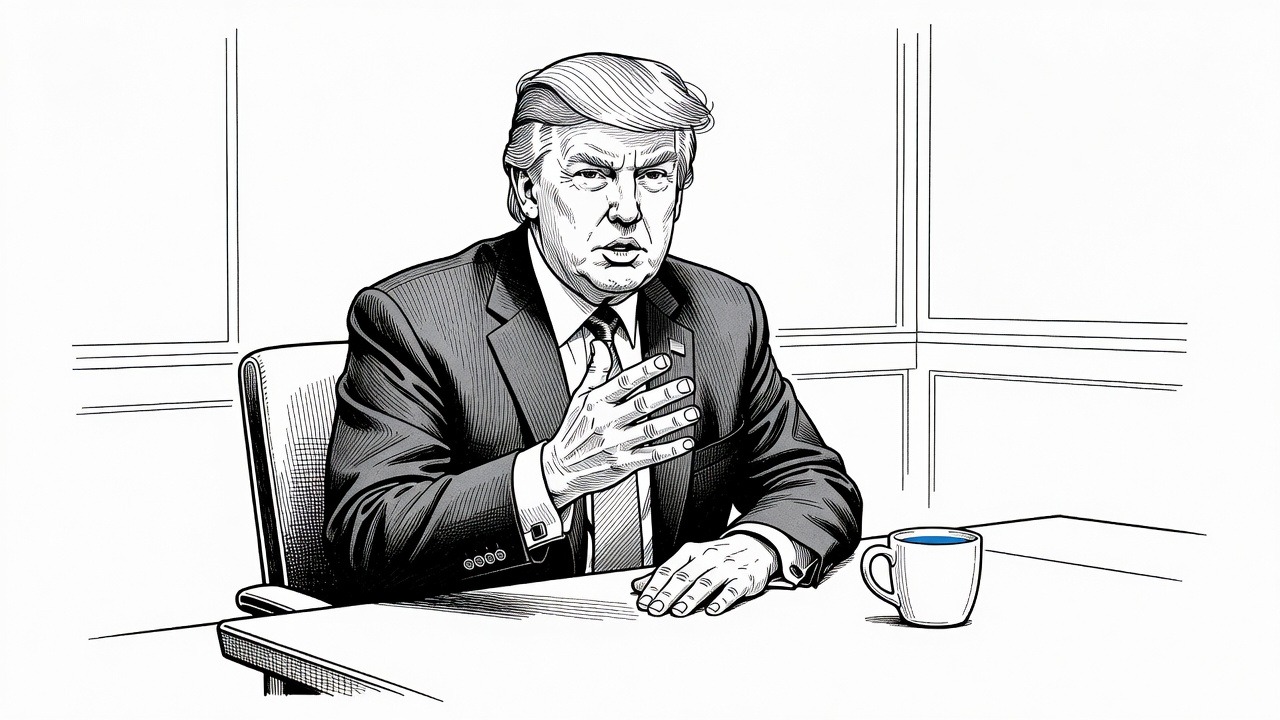
But here is the catch, and Jeffries must keep it in front of him. Trump has said he'll veto Democratic bills he doesn't like. A 258-seat majority is historic, but overriding a veto takes two-thirds of each chamber, and Democrats are well short of that in the House. So "cooperation" in practice means Trump holds the pen and Democrats supply the votes. He gets to pick which Democratic priorities live, claim the credit for the popular ones, and bury the rest. Democrats should not pretend that is a partnership.
The answer is not to refuse the table. It's to make the table public. Pass the Medicare expansion. Pass the dental benefit. Send them to the White House and make Trump sign or veto in front of a country that is paying more for everything. If he signs, people get care. If he vetoes, Republicans must explain to voters why they preferred obstruction to coverage, and the 2028 ads write themselves. Either result beats a quiet backroom deal in which Democrats trade away leverage for a photo op.
The larger danger is mistaking a landslide for a request to be agreeable. Voters did not hand Democrats both chambers because they craved bipartisan comity. They did it because prices are high, healthcare is a mess, and they want someone to check a president who has treated the executive branch as a personal possession. A majority this size comes with subpoena power, oversight authority and the power of the purse. Those are not bargaining chips to be spent on a handshake. If cooperation on healthcare becomes a reason to go soft on investigations, or on how immigration enforcement is actually conducted, then Jeffries will have traded the mandate for applause.
Immigration deserves particular suspicion. Naming it as a priority is fine, but Democrats should be specific about what they mean: due process, limits on enforcement tactics that sweep up citizens and long-settled neighbors, and real legal pathways. A vague promise of "working together" on immigration with this president is how Democrats end up ratifying cruelty and calling it compromise.
So take the credit card cap. Take the healthcare wins if Trump will sign them. But govern like people who won. The point of a majority this large is not to be liked in Washington. It's to make life measurably cheaper and safer for the people who sent you there, and to make anyone who stands in the way own it.