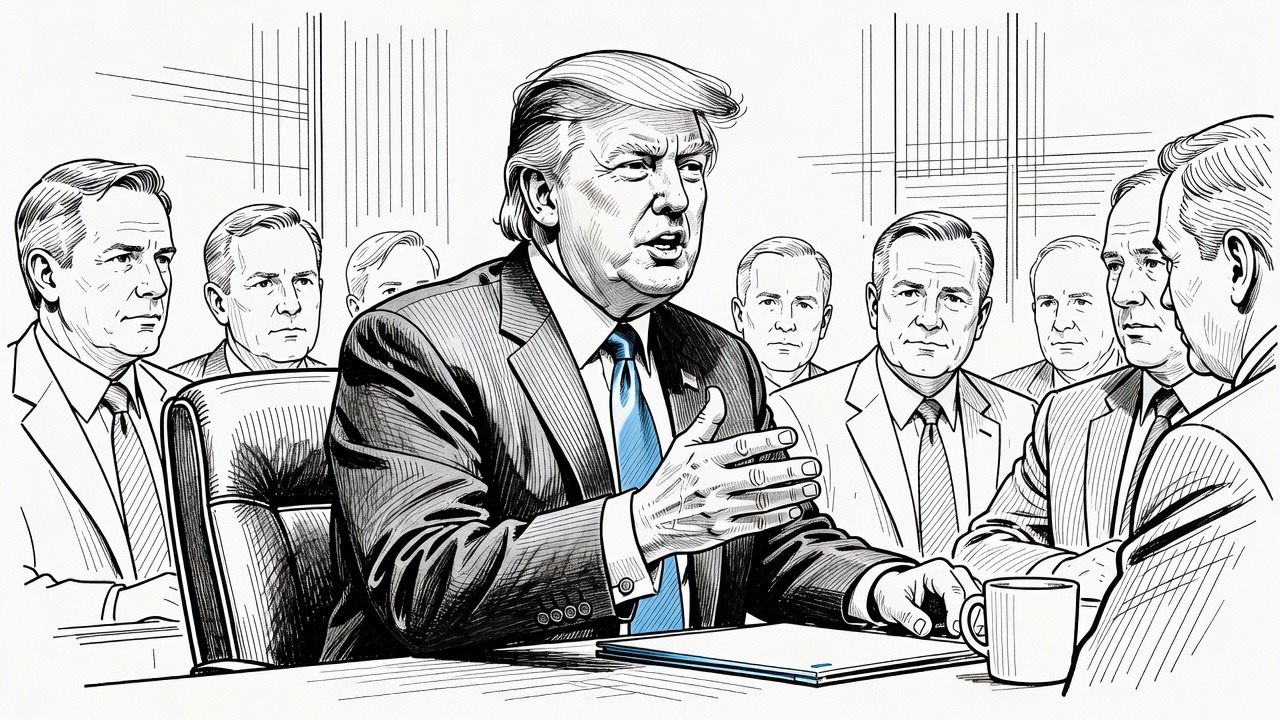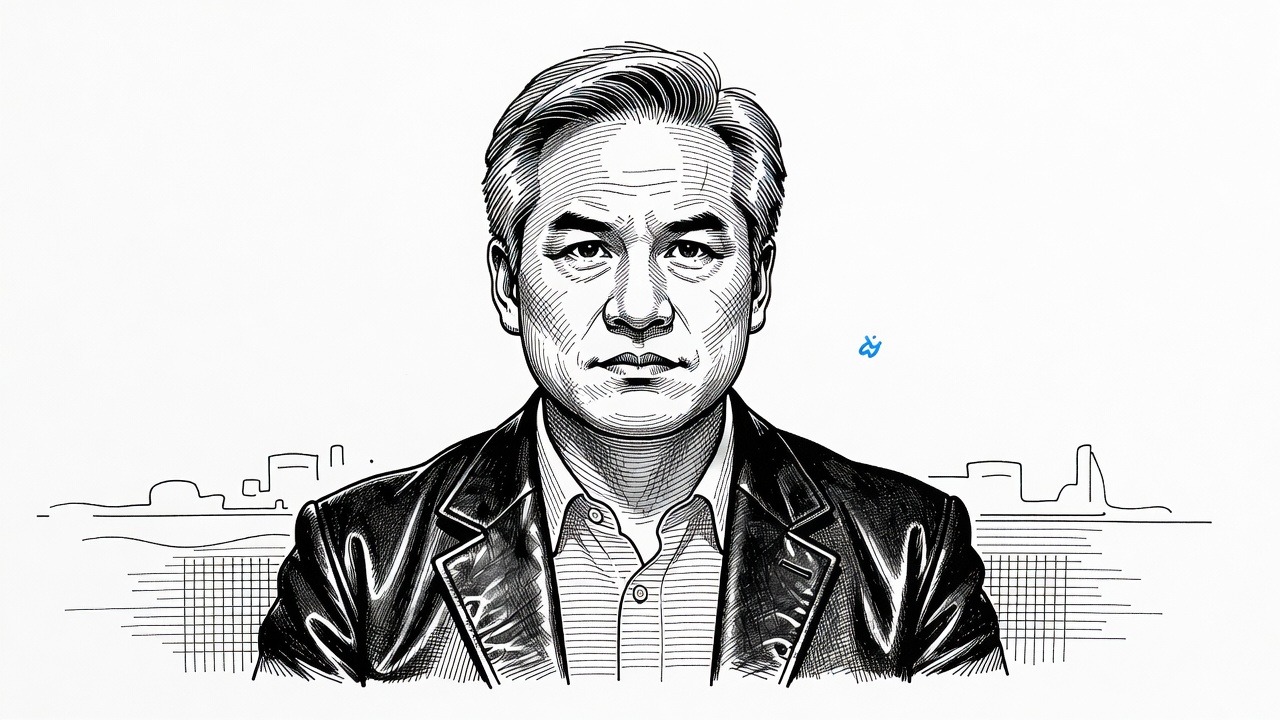
Two stories are hiding inside this earnings release, and both undercut the mythology that Silicon Valley has sold us for a generation.
The first is the myth of the indispensable founder. For years, Jensen Huang was treated as the one man who held the AI age together: the leather jacket, the keynotes, the near-religious deference from investors and politicians. Then he resigns, and in the first report without him, Nvidia posts $115.84 billion in quarterly revenue, guides to about $130 billion next quarter, and raises its growth projection from 70% to 75%. The stock rises.
I take no pleasure in mocking one man, and the release doesn't say why he left, so I won't speculate. But the market's verdict deserves attention. Nvidia's fortune was never the product of one person's genius. It rests on decades of publicly funded computing research, on thousands of engineers, on a Taiwanese fab ecosystem most Americans couldn't find on a map, and on a staggering buildout of data centers by a handful of giant customers. Talent matters. But the cult of the visionary is how a company justifies concentrating wealth at the top and calls it merit. Kress, the company's longtime finance chief now serving as interim CEO, is running the place, and the machine hums. That should humble anyone who thinks CEO pay at this scale reflects individual irreplaceability.
The second story is China, and it is where the Left should be angriest. Nvidia has halted Hopper shipments to China and stripped data center compute revenue from China out of its outlook entirely. Yet the company still raises its forecast. For years, the industry's central argument against export controls was that they would starve American champions of revenue and hand the market to Huawei. Lobbyists said it, executives said it, and Washington often folded. Now the company is telling investors it can post record numbers without that market.
That should end the lazy claim that national-security policy on advanced chips is a trade-off between safety and prosperity. It was always, in part, a negotiating posture. And the public should remember how the posture worked. Under Trump, chip export licenses became a deal: access to China in exchange for a government cut of the revenue. That is not a security policy. It is a toll booth, and it shows what happens when decisions about technology that can power surveillance and weapons are made through private access and transactional favors rather than law and open debate.
There is a harder lesson for Democrats, too. We cannot keep treating Nvidia's boom as a simple triumph of American innovation. A company with this much revenue, this concentrated a customer base, and this much influence over the pace of AI deployment is a piece of public infrastructure in everything but accountability. Who decides where its chips go? Who pays for the electricity, water and grid upgrades that the data centers consuming them require? Who absorbs the shock if the spending spree stalls, as bubbles do? Workers, ratepayers and retirement savers will not be asked. They will be told.
The board chair says Huang will not be reinstated. Fine. The better question is whether the rest of us will be reinstated into decisions about the technology being built on our power grid, our research, and our security. A company that can lose its founder and its China business in the same quarter and still raise guidance is not fragile. It is powerful enough that democratic oversight should stop being optional.
How it may affect me
Nvidia is one of the largest holdings in major stock index funds, so many 401(k) and retirement accounts are more exposed to AI spending than their owners may realize. Households near new data centers may also see higher electricity demand and utility-rate pressure over time.