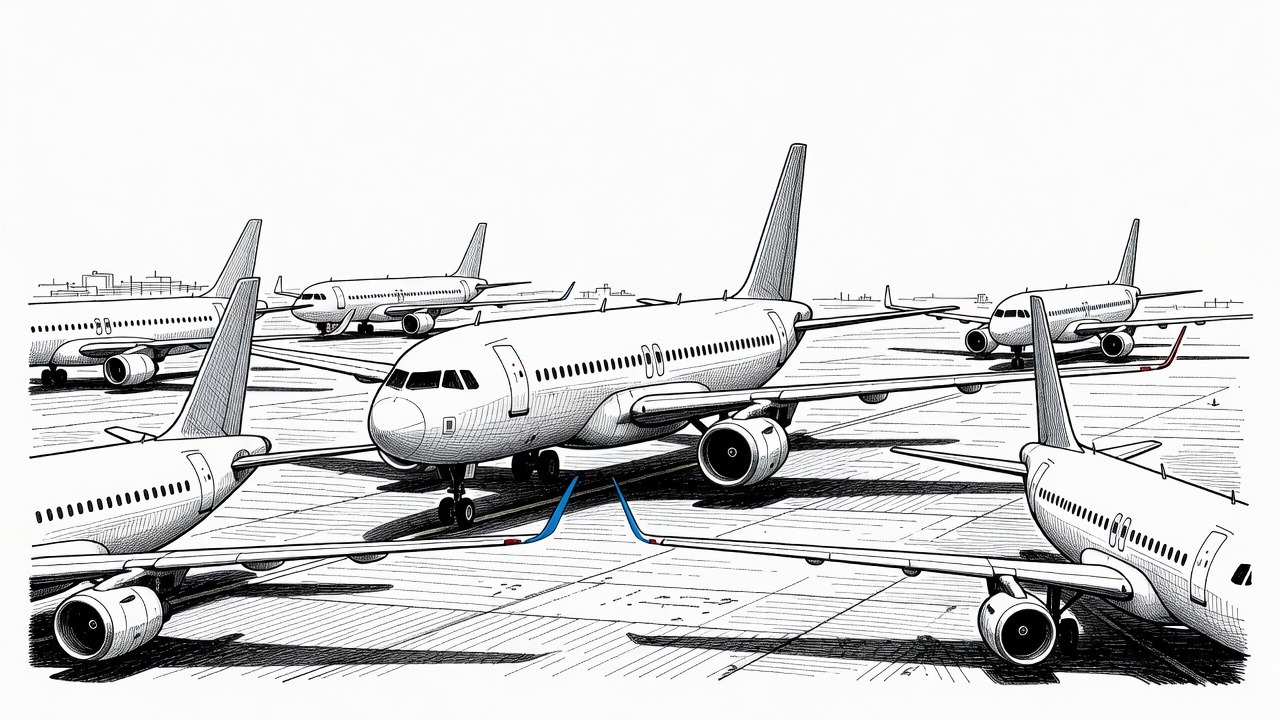
A router upgrade grounded every departing flight in America. Think about that sentence. Not a hurricane, not a hijacking, not a hostile power. A maintenance project on the network that carries the information the system runs on, and the whole country sat on the tarmac.
Federal officials say the cause is under investigation and that there's no evidence of a cyberattack. Fine. Let them finish. But the larger story doesn't need the final report. A system this central, this brittle and this thinly protected against its own upgrades did not get this way by accident.
Air traffic control is as pure a public good as exists. Nobody can opt out, no market will build it, and everyone, from the hedge fund manager in first class to the nurse flying standby to her mother's funeral, depends on it. For years Washington has treated it like a deferred-maintenance line item. It has lurched through shutdowns, funding cliffs and short-term patches while the equipment aged and the workforce thinned. Controllers worked unpaid during the autumn shutdown. Then the same political class that called aviation safety sacred acted surprised when the system started to fray.
Now Transportation Secretary Sean Duffy wants $50 billion, and says existing money can't be spent on telecommunications or software because of legal restrictions. Maybe so. But those restrictions are written by Congress, and this administration's party controls Congress. If the law blocked the one thing a modernization effort most obviously needs, why is that only coming up after the planes stopped? And Senator Jack Reed's question hasn't been answered: why is there unspent money from earlier appropriations if the emergency is this acute?
I say this as someone who believes in public investment: a $50 billion request with no detailed plan is not a rescue. It is an invitation. Anyone who has watched big federal technology projects knows how the story goes. A few large contractors collect the money, schedules slip, and when something breaks, the contract language makes sure nobody is quite responsible. Reed is right to press on the FAA's oversight of those contractors. The Left should be loudest on this point. Defending government doesn't mean defending every contract the government signs. Public capacity is the cure. If the FAA can't evaluate, supervise and, when needed, overrule the vendors installing its own network, then it has outsourced not just labor but judgment.
The administration also owes the country some consistency. It spent early 2025 boasting about slashing the federal workforce and hunting for waste, an approach that treated technical expertise as a cost to be trimmed rather than a safety margin to be protected. And it championed a tax law that, in Democrats' telling, tilts its biggest benefits toward high earners, while the public is now told that keeping the planes flying requires a separate emergency ask. Now it invites everyone to treat a nationwide ground stop as an unforeseeable act of infrastructure fate. Austerity is a choice. So is the bill that arrives afterward.
Democrats shouldn't just say yes, either. Fund the upgrade, but on conditions: a published plan, firm milestones, independent testing before anything touches the live network, and a pause that lasts until the FAA can explain how a routine installation took down the national system. The agency's decision to halt router installations is the right instinct. It also confirms how little margin there was.
The people stranded on Friday were the ones who carry the cost of every infrastructure failure: travelers, airline workers and controllers. They don't need another round of blame-shifting between the executive branch and Congress. They need a safe, boring, reliable system, and they should insist that those who promised to deliver one answer for what happened.
How it may affect me
Expect more delays and possible ground stops while the FAA reviews its network upgrades. If you have urgent travel, build in buffer time, book earlier flights and check your airline's waiver policy. Rebooking rights are strongest when a carrier cancels or significantly delays a flight.