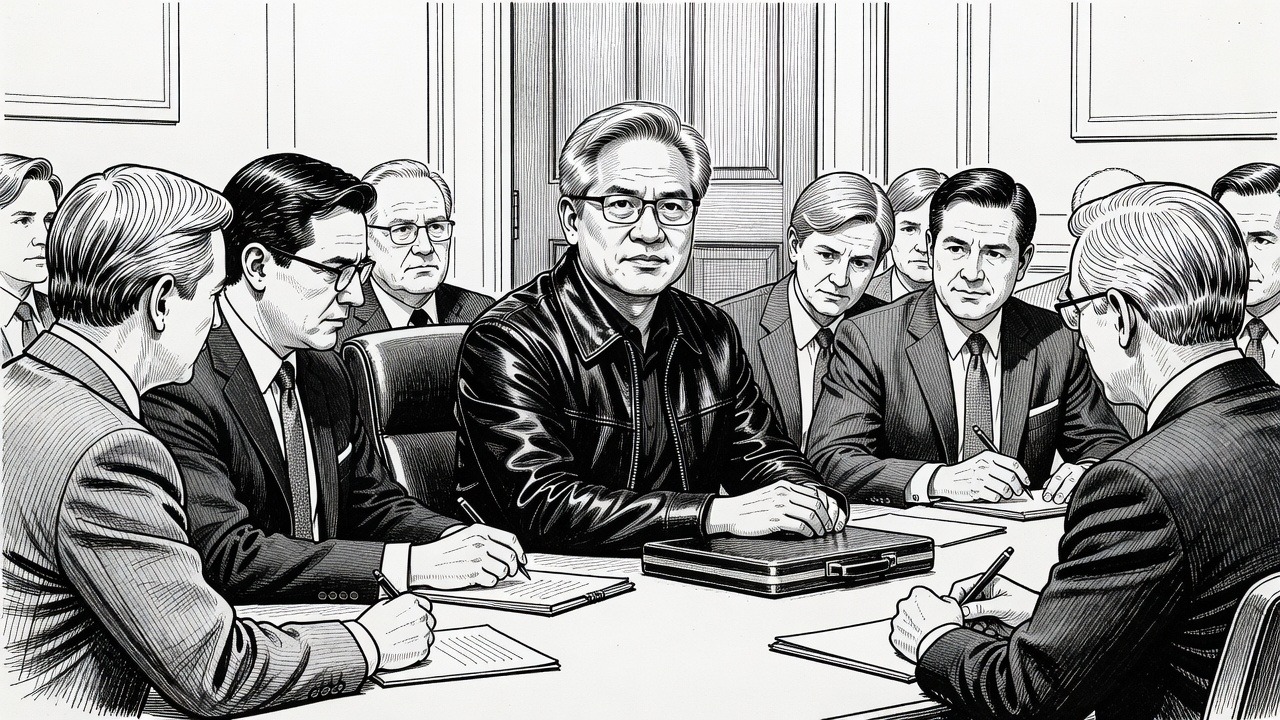
Republicans have just lost the House by a margin that leaves them with their smallest minority in more than three decades. Their answer is to put Jim Jordan in charge. Call it what it is: a party that was told by voters it had gone too far, and decided the problem was insufficient volume.
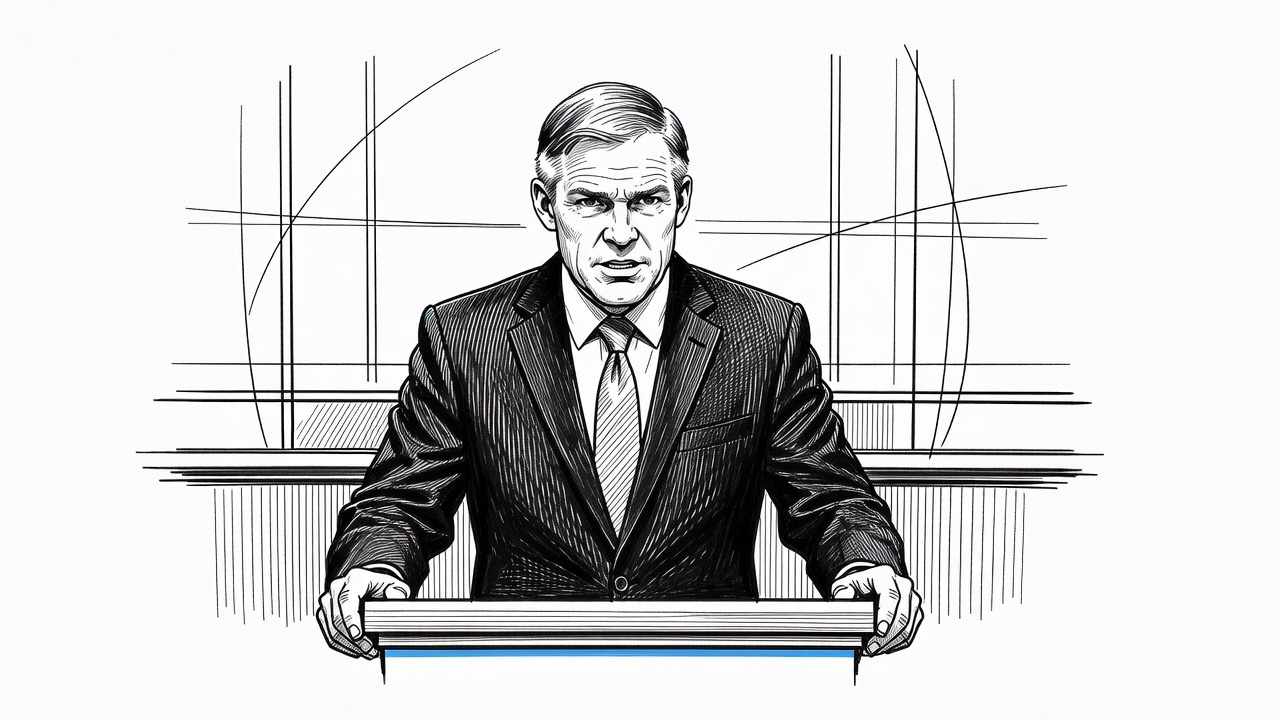
Jordan is not a random pick. He co-founded the Freedom Caucus, the faction that built a career on making Congress unworkable from the inside, starting with the push that helped drive John Boehner out in 2015. He objected to certifying the 2020 election results. When the January 6 committee subpoenaed him, he simply refused to show up, then spent years as Judiciary chair lecturing the country about government abuse of power. His own conference even declined to make him Speaker in 2023. Now, with the gavel gone, he gets the title anyway.
His first stated mission is revealing. Jordan says Republicans will use committee proceedings to challenge Democratic investigations. Note what that sentence leaves out. There is no agenda on health costs, housing or rent, and no answer to tariff-driven price pressure. The plan is to defend the administration against oversight and put on a show while doing it. For a party that spent years insisting Congress must hold the executive branch accountable, this is a quiet confession: accountability was only ever for the other team's president.
The Freedom Caucus members' own comments are telling. Keith Self says Jordan now answers to the whole conference, not to the caucus. Eric Burlison frets about difficulties. Read that as a party discovering that its insurgents have become its establishment. The caucus spent a decade posing as outsiders against a corrupt Washington. Its founder is now the Washington leader, and the party's rank and file have no other model of opposition to offer.
Here is what Democrats should take from this, and it is not comfort. Jordan will do what he is good at: frame every subpoena as persecution, every document request as a vendetta, every inspector general inquiry as a witch hunt. He perfected that vocabulary, and the press still often treats it as a plausible account of events rather than a defensive reflex. Democrats cannot let it work. The answer to "weaponization" cries is not to flinch from oversight. It is to run oversight so disciplined and evidence-driven that the accusation sounds like what it is: a defendant's complaint.
That also means resisting the temptation to mirror him. A Democratic majority that spends two years on hearings staged for cable clips will have learned the wrong lesson from Jordan's career. Voters did not hand Democrats the House to settle scores. They did it because prices are high, the government feels captured by the powerful, and they want somebody to check the people running it. Oversight matters most when it exposes who is profiting from public power: contracts, pardons, enforcement decisions bent toward donors and friends. It should come alongside a legislative agenda people can feel in their grocery bills, not instead of one.
There is a hard truth for the Left as well. Minority leaders with nothing to lose can be dangerous, and Jordan has shown he knows how to paralyze institutions he cannot control. Democrats will need to move quickly on must-pass deadlines and not let a shrunken minority with a famously obstructive chief hold basic governance hostage.
But the larger point stands. A party that lost this badly and answered by promoting its chief obstructionist has not reckoned with its defeat. It has decided to fight the verdict. Democrats should accept the challenge, and win it by governing better, not louder.