Republicans lost the House and the Senate, and the first question in their party isn't what they did to voters. It's who gets to blame whom.
Look at the sequence. JD Vance says the Iran war helped sink the party. Trump, in effect, agrees it was unpopular, then complains that Vance didn't also stress the need to keep Iran from getting a nuclear weapon. That is the whole intellectual state of the party: a war that cost it Congress is acceptable to discuss as a messaging problem, never as a mistake. The sin is not starting the war. The sin is failing to sell it properly.
Then comes Rubio. Some Republican lawmakers want the Secretary of State, the man running American diplomacy during the very conflict they say hurt them, to ride in as the alternative. Rubio says he's focused on his duties. Fine. But the logic is remarkable. If the war was the albatross, the person most tied to its conduct is the rescue plan? This isn't strategy. It's a party looking for a fresh face that wears the same record.
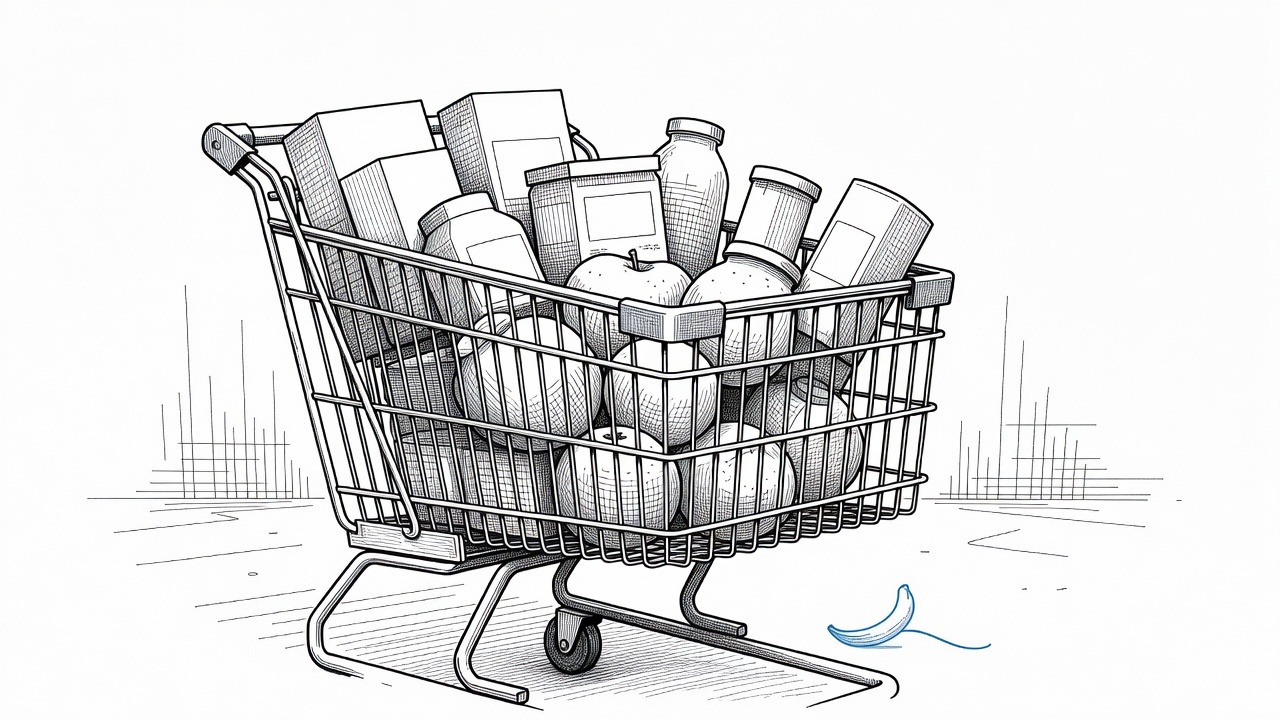
Vance's own list of what voters were angry about is worth taking seriously, because it is more honest than most of what his party says. War. Living costs. America-first policies. Relations with Israel. Strip away the packaging and that is the voters' verdict on the whole agenda: you promised cheaper lives and fewer foreign entanglements, and delivered an expensive war and expensive groceries. People noticed the gap between the pledge and the performance. They always do.
Now the party is demonstrating how it handles that verdict. Representative Randy Fine says he won't back Vance in 2028, and accuses him of blaming Jewish people for the loss. Vance's office hasn't responded, and the public record offered here doesn't prove the charge, so it deserves scrutiny rather than assumption. But note what the fight is about. Not whether the war was wise. Not whether voters were right that it was a distraction from their rent. It is about whether acknowledging that Americans were uneasy about the Israel relationship amounts to something sinister. When the debate over a lost election turns into a loyalty and grievance contest, the voters who actually delivered the result disappear from the conversation.
Trump's posture deserves its own cynicism. He says he may not endorse in 2028. Maybe. A man who has made the party an extension of himself has every reason to keep Vance, Rubio and the rest auditioning for him, bending toward his preferences, and fearful of his disapproval. Declining to anoint a successor is not humility. It is leverage. The primary becomes a long loyalty exam, and nobody gets graded on whether the voters, who just fired the party, were right.
Democrats should not gloat, and should not get lazy. A midterm win is a verdict on an incumbent, not an embrace of us. The Left's job is to treat this as a mandate on specifics: no more wars of choice launched without a serious public case, and real attention to the costs that made people feel the government had stopped working for them. Voters who punished one party for ignoring them will punish the next one too.
But for now the Republican field offers a clear picture. A party that lost its majorities over war and prices is spending its energy on who said what about whom. The voters have already told them what they were angry about. Vance even listed it. The tragedy for the Right is that nobody in this race seems willing to act on it.