Somewhere in Washington, a group of well-paid people is weighing whether to make your life harder in order to fix a problem that interest rates cannot touch.
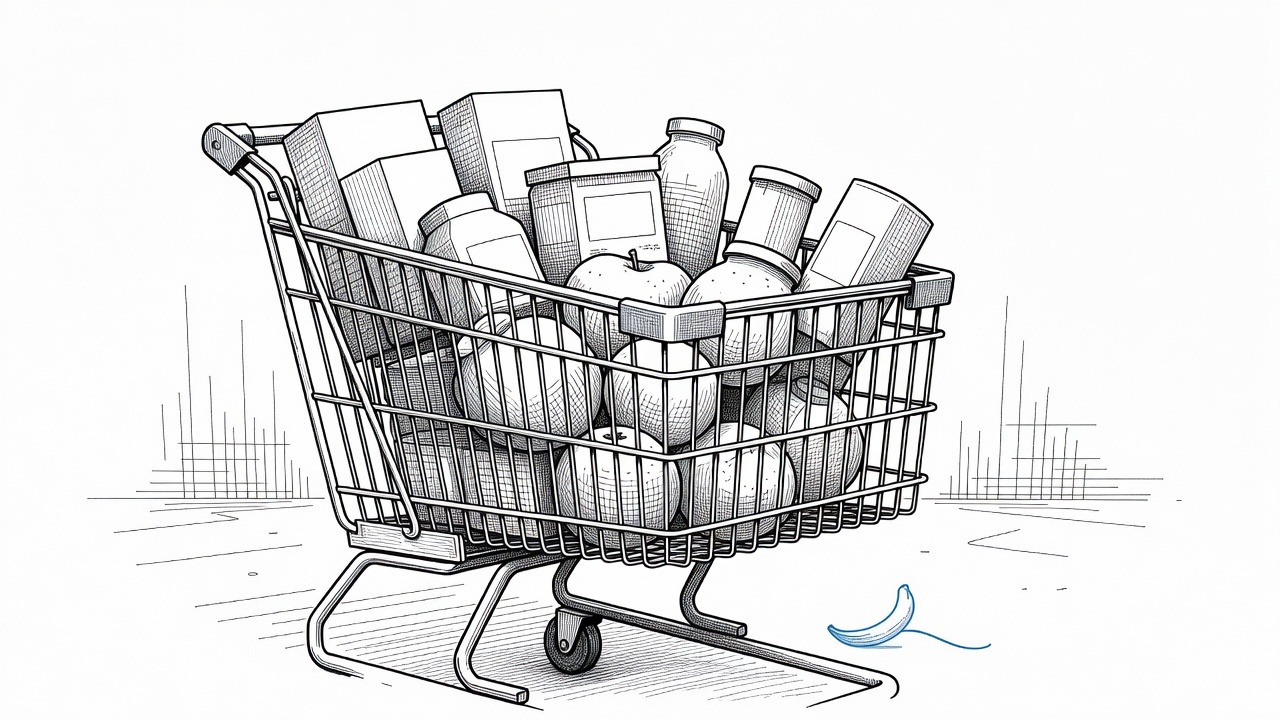
October's 0.4% price increase was faster than economists expected, and Wall Street is now betting the Federal Reserve will raise rates in December. Look at where the increase came from. Shelter rose 0.3% and made up more than 30% of the monthly gain. Food rose 0.5%. Core prices rose 0.3%, a pace that is firm but not a runaway spiral. The pressure is in rent, in groceries, and in the basics of staying housed and fed.
How does a higher federal funds rate lower rent? It doesn't. Housing costs are high because America has spent decades refusing to build enough homes, thanks to zoning, NIMBY veto power and developers who profit from scarcity. Raising rates makes it more expensive to finance apartment construction, so it deepens the shortage that is pushing rents up. The Fed would be pouring water on a fire by choking off the pipe that carries the fire hose.
Whoever pays the bill is not the Fed, and not the analysts speculating about it. A rate hike works by slowing hiring, cooling wages and making debt costlier. It hits the warehouse worker whose hours get cut, the family carrying a credit card balance because groceries outran their paycheck, and the young couple whose mortgage dream moves further away. The remedy for a cost-of-living squeeze is to squeeze the people already feeling it. Economists call this restoring balance. Workers have another word for it.
Then there is the missing number. There is no annual inflation rate for October because the 2025 government shutdown disrupted data collection. The country's statistical agencies could not fully measure the cost of living, because Washington's political fights shut off the instruments. Now the central bank is considering a major decision partly in the dark. Whatever you think of the standoff that caused the shutdown, which centered on the price of health coverage, the practical lesson is plain: governing by hostage-taking has costs, and one of them is that policymakers cannot see what they are steering.
For the Left, this should sharpen the argument rather than dull it. The Fed is independent, and Democrats should not pretend otherwise. But independence does not mean immunity from criticism, and its mandate includes maximum employment, not only price stability. If officials move on one hot month, one thin dataset and a nervous market, they are choosing which Americans to sacrifice. A strong labor market was not a bug in the system. It gave wages their first real leverage in a generation.
What would a serious response look like? It would put federal muscle behind housing supply, from zoning reform tied to federal funding to public investment in affordable construction. It would scrutinize price-setting in grocery and other concentrated markets rather than assume every increase is the unavoidable verdict of supply and demand. And it would take seriously warnings from many economists that broad tariffs raise the price of goods that families buy. A government that taxes imports while its central bank punishes borrowers is working against itself.
The counterargument deserves a hearing: if inflation expectations de-anchor, working people suffer most, and the Fed must not be seen as complacent. That's true. But three months of 0.3% core readings and one uncertain data point do not make a crisis that justifies a hike. Patience is cheaper than regret. The Fed should wait, and Congress should stop treating the cost of living as something only the central bank can fix.
How it may affect me
If the Fed does raise rates, borrowing costs could climb: credit cards and other variable-rate debt tend to move quickly, and new mortgage and auto loan rates could follow. Renters should not expect relief from a hike, since shelter costs are driven by housing supply. Savers might see slightly better returns on high-yield accounts. Nothing is decided until the December meeting.