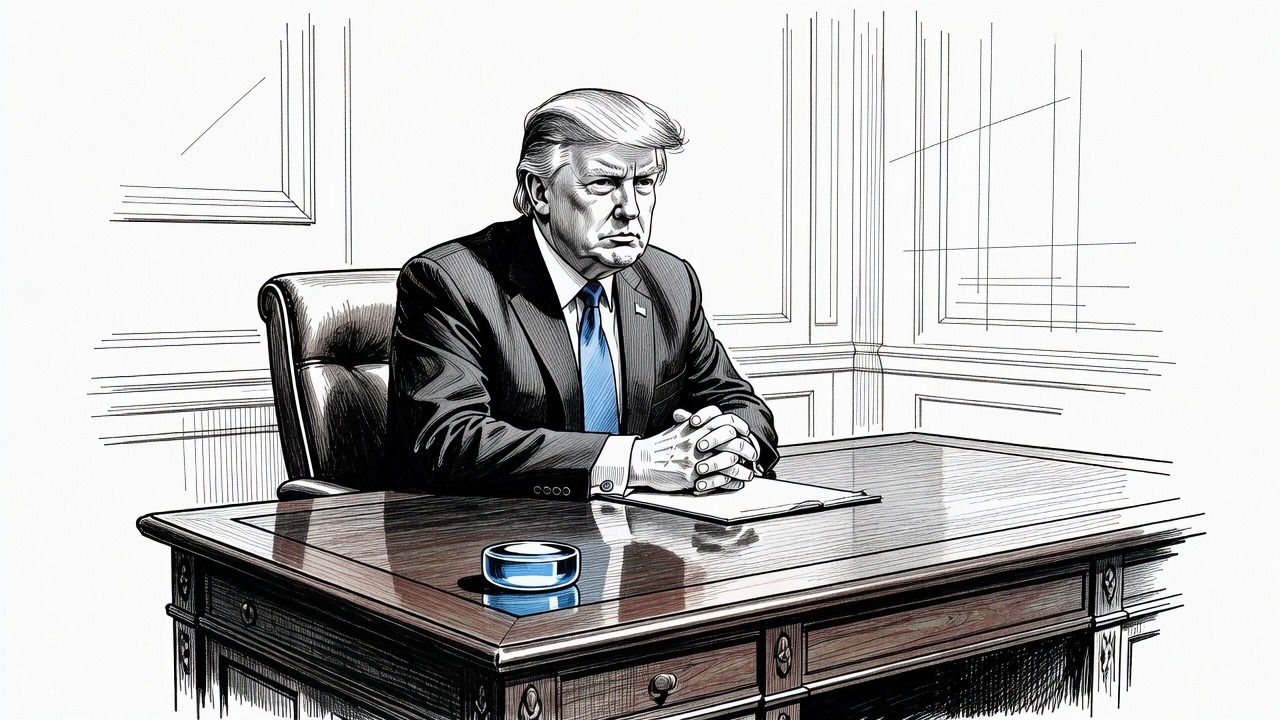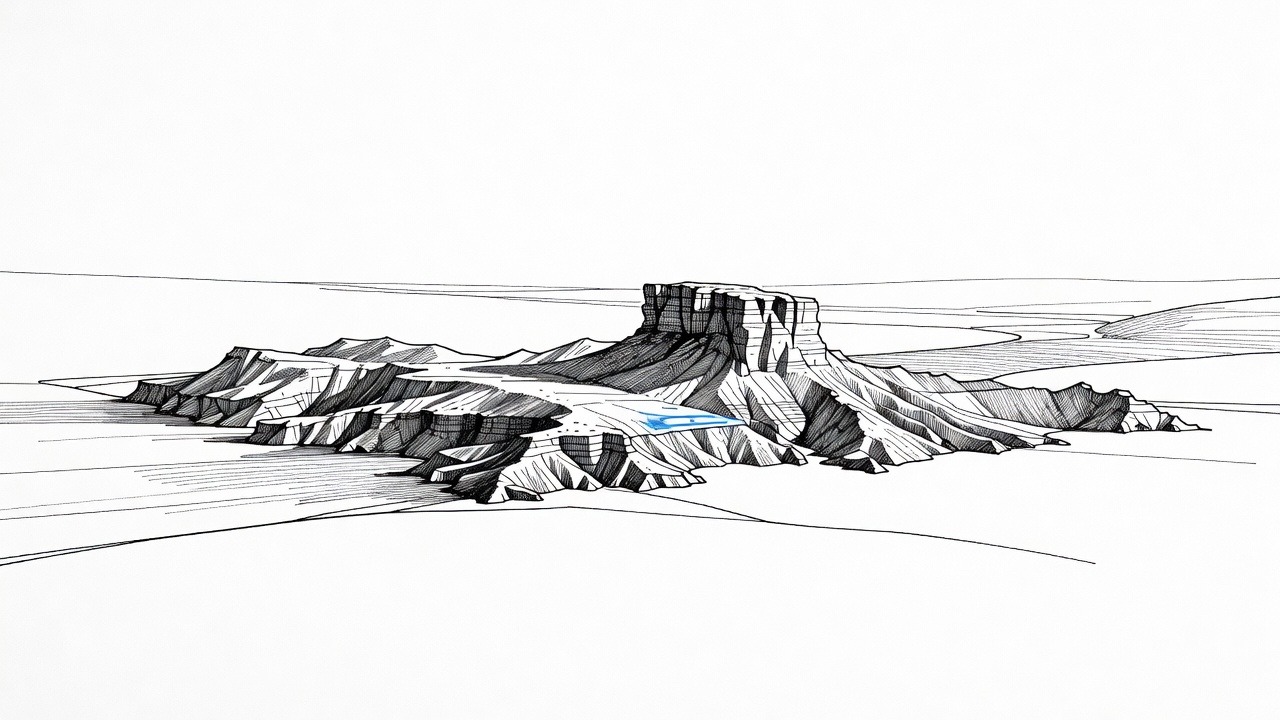
Notice the adjectives. Minor. Defensive. Over in minutes. When a president needs three reassuring words to describe a strike on another country's soil, he is usually describing something he doesn't want examined.
Start with "defensive." The United States is enforcing a naval blockade of Iranian ports. Under long-standing international law, a blockade is an act of war. Against that backdrop, U.S. aircraft fired on a cargo vessel, the M/V Huda, for trying to get through, and then struck an anti-aircraft site on Iranian territory. What was being defended? The blockade. Washington creates the confrontation, then calls each violent step in it self-defense. By that logic, any shot fired by the side that started the fight is defensive.
Then "minor." Minor for whom? Trump's boast that no American has been killed or injured is the most revealing sentence in the story. It treats American safety as the only ledger. The crew of a cargo ship and the Iranians at that installation are not on it. Neither are the shippers, importers and ordinary Iranians living under a port blockade. Neither is anyone who depends on the Strait of Hormuz, a chokepoint the world's energy markets cannot afford to see turned into a shooting gallery. "Minor" is a verdict that only the party with the air power gets to issue.
Now the part that should embarrass Washington. Iran's Ali Bagheri Kani says Tehran wants practical measures from the United States, not written commitments. The reflex is to hear that as stalling. But consider the history. The United States negotiated a nuclear deal, Iran verifiably complied, and Trump tore it up in 2018. Why would Iran take a signature from this president at face value? Distrust was manufactured here, by an American president who treats agreements as disposable. Now he says progress is being made toward a deal. Maybe so. But a man who burns the last agreement and then wonders why the other side wants proof has no standing to be surprised.
Then there is Task Force Iron Gate: twenty people, assigned to stop Iran from moving advanced weapons across land routes. Twenty. Either that is a public-relations flourish, or it is a tripwire, or it is the first small commitment in an open-ended mission. We have seen this pattern. Wars rarely begin with a declaration. They begin with a named task force, a reassuring number and a promise of limited scope. Ask the veterans of Iraq and Afghanistan how "limited" usually ends.
The deepest problem is constitutional. The power to take the country into war belongs to Congress, not to a president who narrates strikes after the fact on social media. Nothing in the public record suggests Congress voted for a blockade of a nation's ports. And the Democrats? Too many want to criticize the president without risking a recorded vote. Saying "we have concerns" is not a position. If Democrats believe this escalation is reckless, they should force a War Powers vote, make every Republican answer on the record, and stop treating oversight as a press release. Lawmakers who pretend that war by executive adjective is somebody else's responsibility are complicit in it.
None of this requires pretending Iran's government is benign. It isn't. Its repression at home and its regional proxy violence are real. But the choice was never between blockade and surrender. The alternative to a lawless blockade is diplomacy backed by verification, the very thing this administration dismantled. Calling the strikes defensive doesn't make them so. The country should demand a vote, an honest accounting of casualties on every side, and a definition of what "winning" means before twenty people become two thousand.
How it may affect me
The Strait of Hormuz is a major route for global oil shipments, so sustained clashes or blockade-related disruption can push up crude prices and, with a lag, gasoline, shipping and airfare costs. Americans with relatives or service members in the region should watch Pentagon and State Department travel and security advisories.