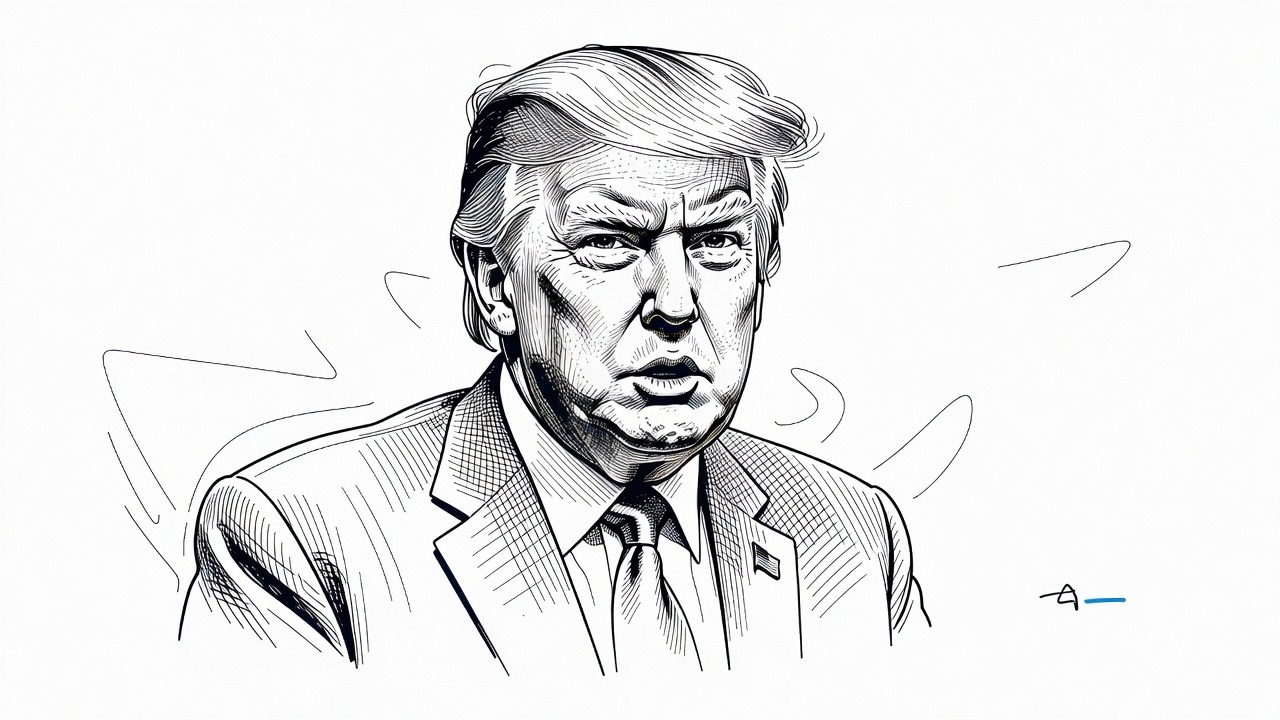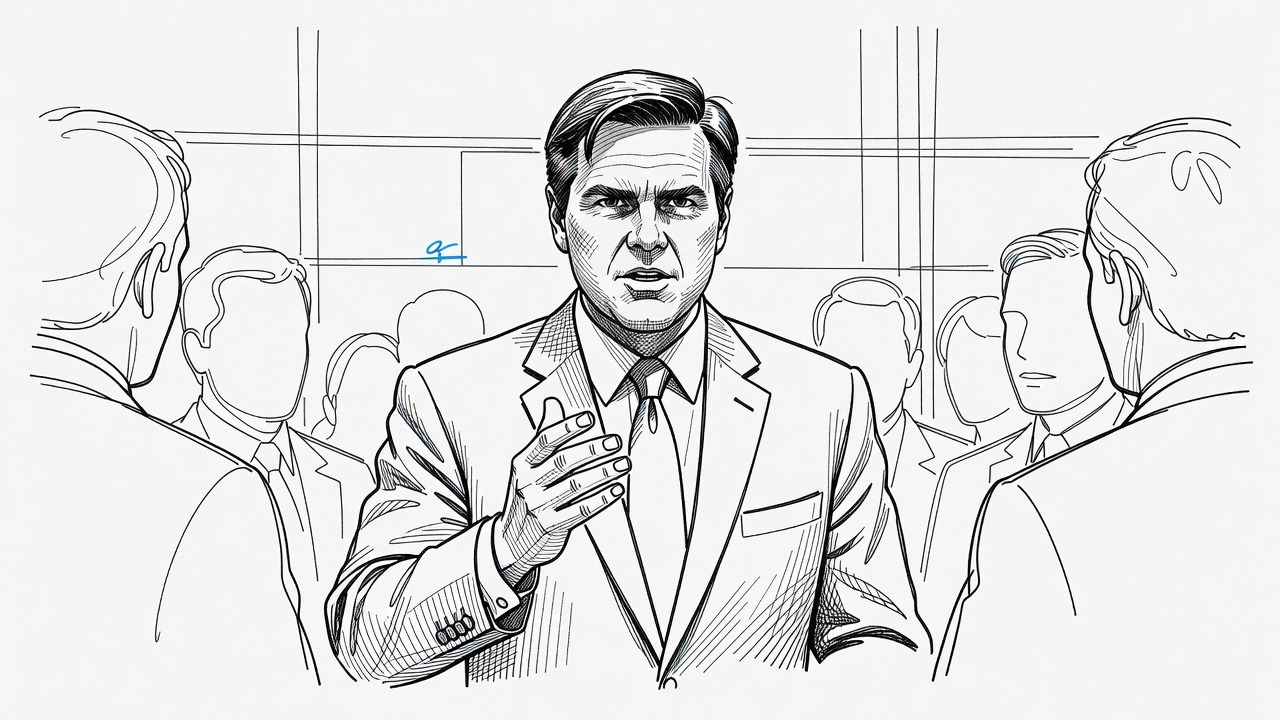
JD Vance has said the quiet part out loud. Republicans lost the midterms, he says, mainly because of the war, because voters wanted it over. Give him credit for candor. But look at what the candor reveals: an administration that treats the end of a war as a polling problem rather than a moral and strategic obligation.
Voters did not hand Washington a messaging challenge. They delivered a verdict. They looked at a conflict with a naval blockade, a choked Strait of Hormuz and Brent crude near $100 a barrel, and they said enough. The people who pay for this war are not the officials debating 'next steps' after Election Day. They are the families filling their tanks, the truckers and small businesses absorbing fuel costs, and the service members and civilians in harm's way. When the cost of escalation lands on people who never got a real say, a midterm is the only vote they have. They used it.
Now the administration is reviewing an Iranian proposal delivered through Qatar, and the phrase 'after the elections' is doing sinister work. It suggests the pause was never about peace. It was about waiting out the political danger. Ghalibaf, Iran's parliamentary speaker, claims Washington is preparing another phase of the fighting. He is no honest broker, but his suspicion is not irrational when the vice president is publicly framing the war as an electoral albatross rather than a mistake to be corrected.
Some will say Iran's seven conditions are a maximalist wish list: end economic pressure, end military action, lift the blockade, release assets, all in exchange for reopening a waterway that international law says should never have been closed. They have a point. It is an opening bid. But opening bids are what negotiations are for. Demanding that your adversary arrive with a finished concession is not toughness; it is a refusal to talk dressed up as strength. The U.S. has its own unanswered outreach on the table, and both sides are posturing. Someone has to be adult enough to keep the channel open.
The history matters here, and it is not flattering to Washington's hawks. There was a nuclear agreement. It constrained Iran's enrichment and put inspectors on the ground. Donald Trump tore it up in 2018, promising a better deal. What followed was not a better deal. It was a more advanced Iranian program, years of escalating confrontation, and now an open war. Every few years we are told force will finally deliver what diplomacy supposedly could not. Every few years the bill goes up and the leverage goes down.
None of this requires romanticizing Tehran. Its government is repressive, its regional conduct is dangerous, and its nuclear ambitions are a real problem. The Left can say that and still insist that a blockade is itself an act of war, that economic strangulation is not a cost-free alternative to bombs, and that no president gets to launch or sustain a conflict and then discover the public's views only when the ballots are counted.
Democrats should not wobble here. The temptation will be to pivot to 'toughness' and hedge, to avoid owning a clear demand. Resist it. The voters who delivered the majority did so because they wanted the war ended, and the party's task is to force the question: will this administration end it because it was wrong, or merely because it polled badly? If the answer is the latter, the danger is a wounded White House looking for a way to change the subject. Congress should be ready to use every tool it has, including the power of the purse, to stop that.
Peace is not appeasement. It is what the country voted for.
How it may affect me
Elevated oil prices, with Brent near $100, tend to feed through to gasoline, diesel, airfares and shipping costs. If talks produce a deal reopening Hormuz, those pressures could ease; renewed fighting could push them higher. Households with long commutes or tight budgets should watch fuel prices closely.