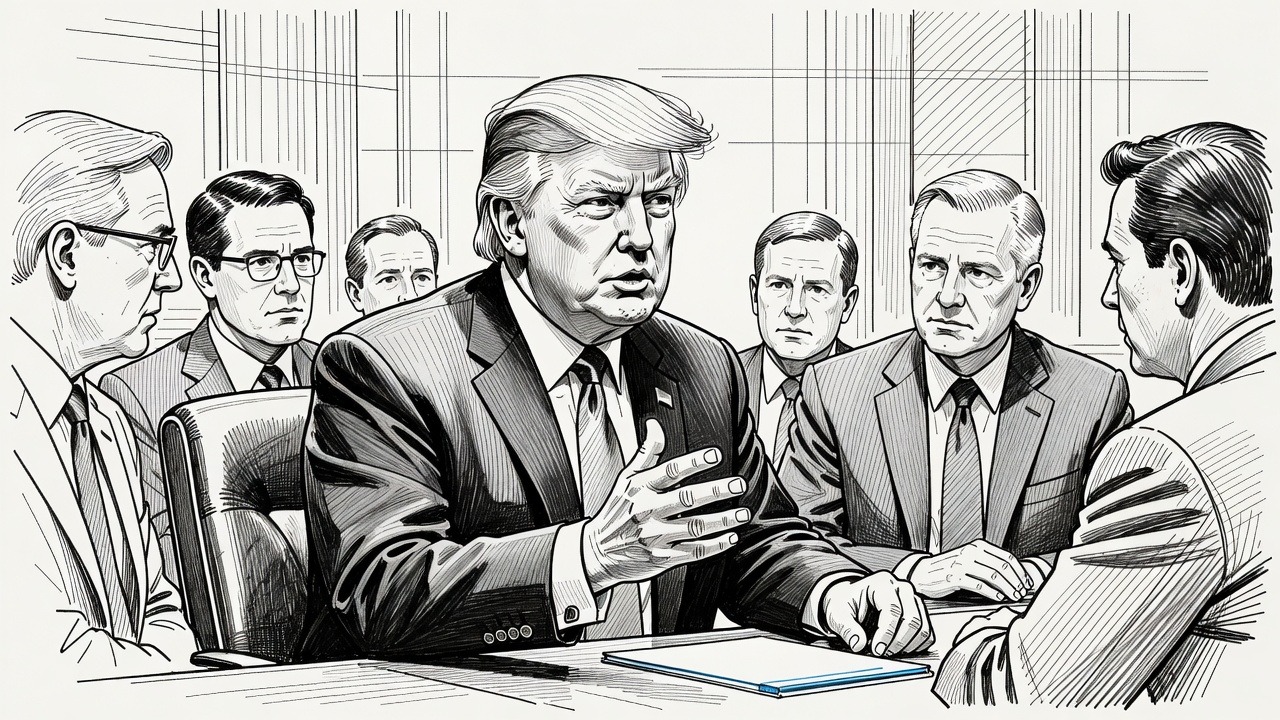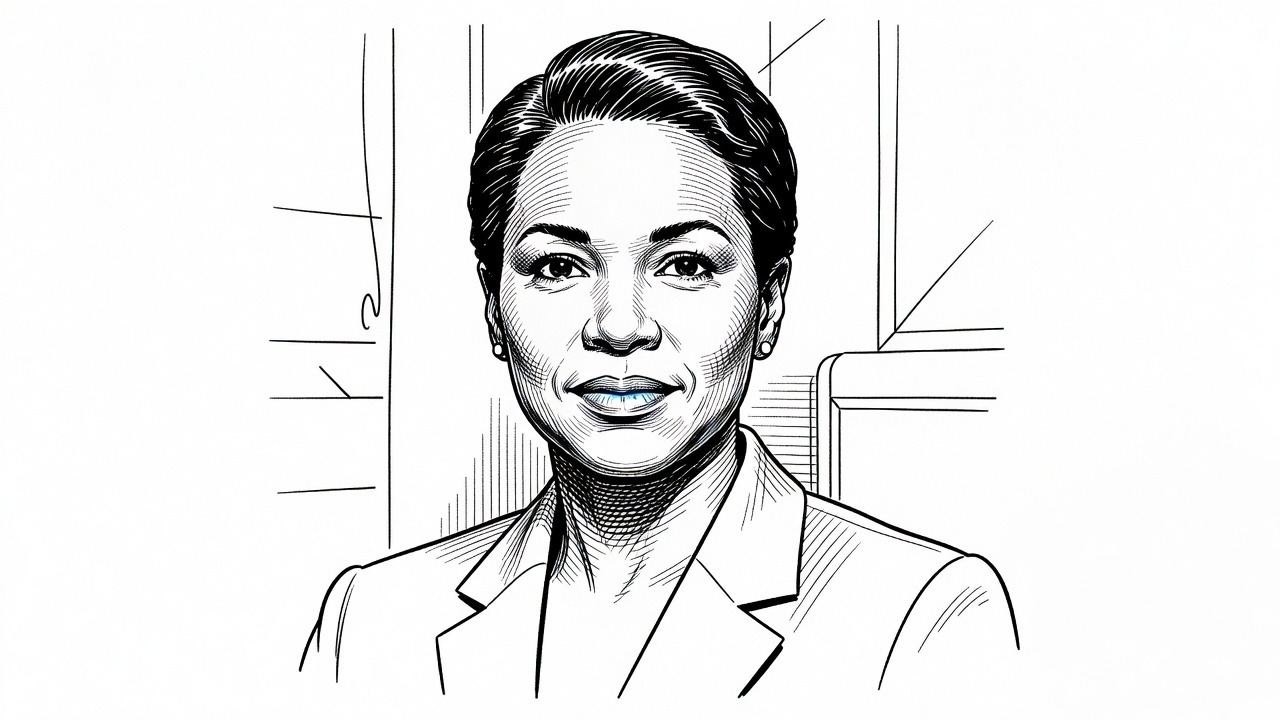
Start with the history, because it deserves a moment. Keisha Lance Bottoms will be the first woman to govern Georgia and the first Black woman to serve as a governor anywhere in America. That happens in a state that spent generations engineering Black voters out of power, and that Republicans have spent the last several years trying to redistrict, regulate and rewrite election law to keep in hand. Stacey Abrams lost twice. The organizers who knocked doors after those losses were not wasting their time. Tonight they get to say so.
But the more useful lesson is in what Bottoms ran on, and what she beat.
Her agenda is not abstract: expand Medicaid, raise public employee pay, lift the minimum wage, fund pre-K and schools, and let localities scrap grocery taxes. Her opponent, Rick Jackson, a healthcare executive and first-time candidate, offered a purge of DEI policies, a phase-out of the state income tax and the promise to run Georgia like a business. Voters were asked whether the state's problem is too much attention to inequality or too little attention to their bills. They chose the bills.
That should end a lazy habit in Democratic politics: treating identity and economics as rival strategies. Bottoms's election is an identity milestone, and her campaign was a cost-of-living campaign. Those were never in conflict. A Black woman talking about groceries, wages and doctor visits is not a diversion from the working-class argument. In Georgia, she is the working-class argument.
Jackson's platform deserves its own scrutiny. A healthcare executive proposing to starve the income tax in a state that has refused full Medicaid expansion, and whose rural hospitals have been gasping for years, is selling a theory of government that mostly benefits people who already have everything. Eliminating the income tax sounds like relief until you ask what pays for schools, clinics and the teachers and state workers Bottoms wants to pay more. The answer is always the same: sales taxes, fees and cuts that fall hardest on people who spend most of what they earn. Georgians heard "run it like a business" and, reasonably, wondered whose business.
And Brian Kemp's Georgia, praised for its tax rebates and low unemployment, still leaves hundreds of thousands of low-income adults without a path to affordable coverage. Kemp's "Pathways" alternative, with its paperwork and work-reporting conditions, was a way to say yes to expansion while making it hard to use. Bottoms was elected to end that charade.
Now comes the part Democrats are bad at: governing like they meant it. Winning a mandate is not the same as passing it. Georgia's legislature has been Republican-run for two decades, and Medicaid expansion, pay raises and school funding all need lawmakers' votes and a budget. Expect the familiar response, with warnings about cost and talk of "fiscal responsibility" from people who just proposed to abolish the income tax. Bottoms should call that bluff in public, county by county, and name the legislators who vote to leave federal health dollars on the table.
She should also be wary of her own modesty. Letting local governments suspend grocery taxes is useful, but it leaves relief dependent on zip code and local budgets. If the state is serious about food costs, it should say so plainly rather than hand the hard decision to cities and counties.
The Left spends too much time asking whether symbolism is enough. It never is. But symbolism plus delivery is how a coalition becomes a majority. Georgia has given Democrats a governor, a history lesson and a test. Pass the test, and this stops being a Georgia story.
How it may affect me
Most of Bottoms's agenda depends on the Republican-led legislature and the state budget, so don't expect changes overnight. Medicaid expansion, pay raises and a higher minimum wage would need lawmakers' approval. A grocery-tax suspension would depend on whether your county or city chooses it. Watch the January budget fight.