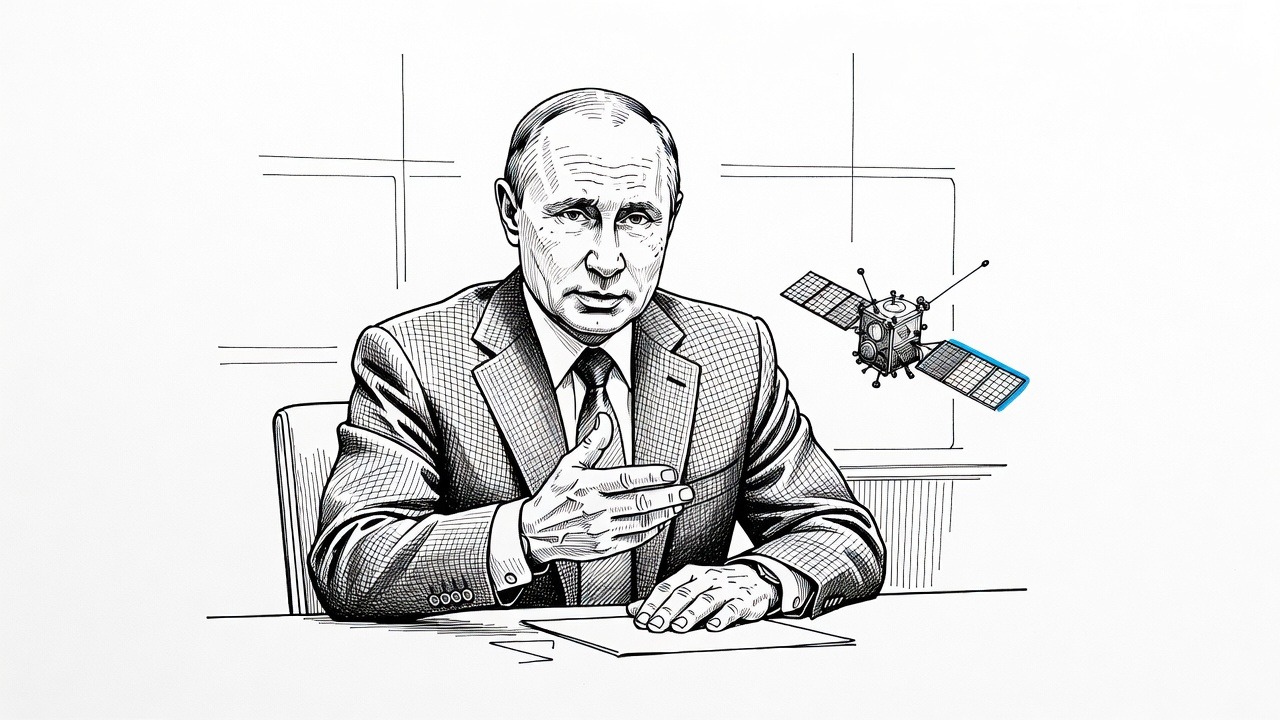
Read the official statements out of Washington side by side and you get a perfect portrait of a war with no exit. The president says Iran's nuclear and military capabilities have been weakened, but that there are "additional targets to address." His secretary of state says no decision has been made on renewed strikes. Translate: we have won, and we may need to keep fighting, and the choice belongs to one man and his mood.
That is not a strategy. It is a standing threat, and it is how wars become permanent. Victory is declared whenever it is politically useful, and the target list keeps growing whenever it is not. Every president who has promised a short, decisive campaign in the Middle East has told some version of this story. Americans are supposed to have learned what comes after "one more round of strikes."
Notice who is doing the diplomacy. It is not the United States. Qatari mediators are shuttling between Tehran and Doha because Iran says it will not talk to Americans directly. Washington likes to treat that as Iranian stubbornness. It is also the bill coming due for a decade of American bad faith. Washington walked out of a nuclear deal that Iran was verifiably complying with. It then escalated through sanctions, and it bombed during negotiations last year. Why would Tehran sit across the table from a government that treats talks as a pause between attacks? You do not have to like the Iranian regime, and I don't, to see that Washington burned its own credibility and now has to borrow someone else's.
And the regime is not a victim here. Mines in shipping lanes, burning tankers and threats of retaliation "without geographic limits" are not the behavior of a government interested in sparing civilians. The Left should say that plainly. A theocracy that represses its own people has no claim on our sympathy. But a repressive adversary does not make a reckless war wise. The question was never whether Iran's rulers are dangerous. It was whether bombing them would make anyone safer. Four tankers on fire in the world's most important oil chokepoint is an unflattering answer.
The people absorbing this are not the ones choosing targets. They are the crews on those ships, who did not volunteer for a war. They are the civilians in range of a conflict with no declared geography. And they are Americans who will find the war at the gas pump and in the grocery bill, because oil rose again on Friday. Oil traders respond to the Strait of Hormuz in hours. Working families respond in months, when diesel costs get passed along. The war's price is socialized and its decisions are privatized in one office.
That brings us to Congress, and to my own side. The Constitution gives Congress the power to take the country to war. For years, lawmakers of both parties have let presidents treat that clause as decorative, because it is easier to complain afterward than to vote beforehand. Democrats who now thunder about escalation should be asked a simple question: where is the binding vote? A statement of concern is not a war powers resolution. If "no decision has been made" on new strikes, then there is still time to make Congress part of that decision, and anyone who wants credit for opposing this war should force the issue on the record.
Saudi Arabia, Egypt and the UAE are all urging de-escalation. These are not pacifist governments. They live in the blast radius and they are telling Washington to stop. When America's own regional partners are pleading for restraint, "more targets" is not resolve. It is recklessness.
Take the diplomatic off-ramp that Qatar is building, and take it seriously. Negotiate with the dangerous and the distasteful, as every serious peace has required. Then make sure a single man's list of "additional targets" never becomes the country's next catastrophe.
How it may affect me
Expect continued volatility in oil and fuel prices while Hormuz shipping remains at risk. If tanker attacks persist, higher diesel and shipping costs can filter into food and goods prices over the following weeks and months. Drivers, small businesses and anyone with a long commute or travel plans through the region should watch for further price swings and flight or route disruptions.