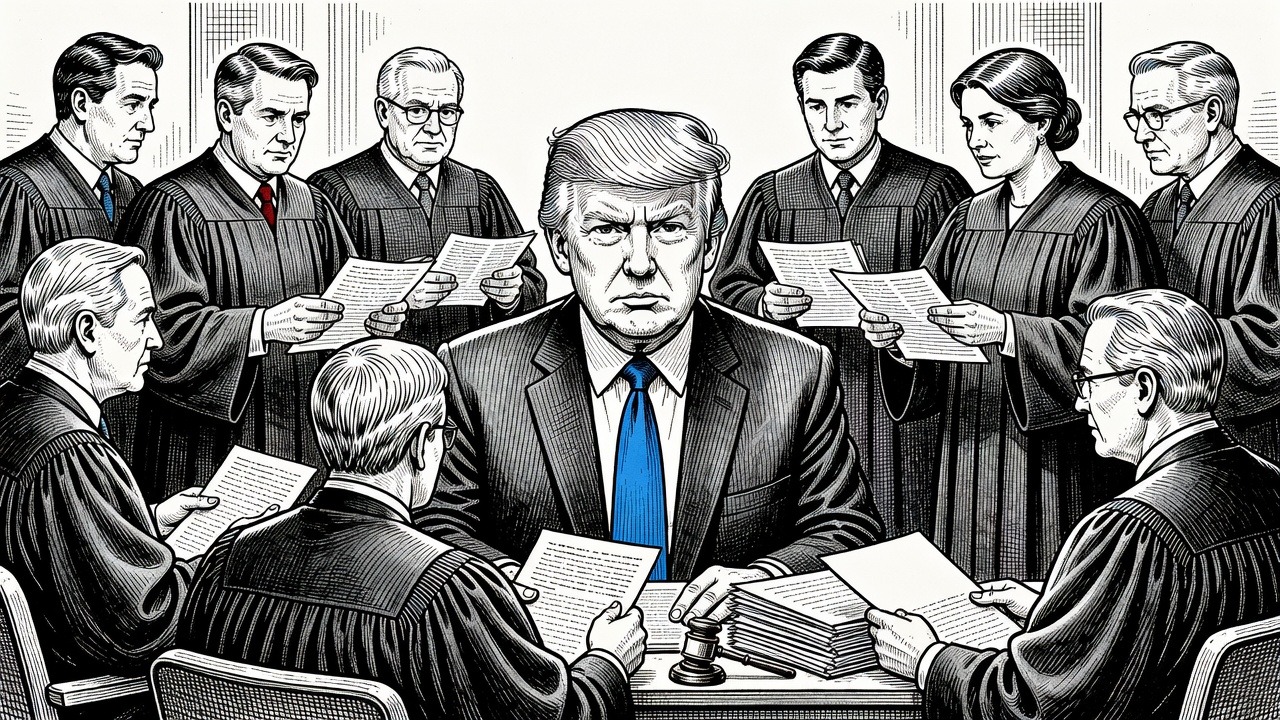
Read the market coverage closely and notice what Wall Street is actually afraid of. It is not recession or war. It is the possibility that someone with subpoena power might ask questions about the data-center boom.
The Bare Story says investors worried that political change could affect "the pace of data-center development and investment in artificial intelligence-related infrastructure." Translate that from trader-speak: an industry that has spent two years building at maximum speed, with maximum public accommodation and minimum public scrutiny, now suspects the free ride may end. Good.
Start with who has been paying. In much of the country, utilities and grid operators are planning for enormous new load from server farms, and the costs of new generation and transmission land on the common bill. In the PJM grid region, which stretches from New Jersey to Virginia and beyond, capacity auction prices jumped, with data-center demand a central reason, and ordinary households saw it on their monthly statements. Electricity affordability was already a live issue in recent elections. A family in Ohio or Virginia did not vote on tensor chips. They voted on a power bill that keeps climbing while a trillion-dollar industry asks for tax abatements, cheap land and fast-tracked interconnection.
That is the real context for "markets shift." The Right will tell you a stock-futures dip is the price of Democratic economic illiteracy. But futures moved, Treasury yields fell, the dollar weakened and gold rose, all in a single morning of projections. That is a jumble of signals, not a verdict. Falling yields can mean investors expect gridlock, slower growth, less deficit-financed stimulus, or simple nerves. Meanwhile AMD rose on earnings and several big tech names advanced. If the AI economy were truly one election result from collapse, it would not have shrugged this off so easily. Some of this is just the sound of an industry lobbying through its stock ticker.
The strongest counterargument deserves a straight answer. AI infrastructure is propping up a large share of recent investment and market gains. Pensions and 401(k)s are exposed to it. China is not pausing. Clumsy interference could damage something valuable. All true, and none of it explains why the public must underwrite the build-out blind. If a project is as transformative as its promoters claim, it can afford to pay its own way for power, disclose its water use, and negotiate with the communities that host it. If it cannot, that is not an argument against oversight. It is the most important fact investors have not priced.
Here the Democrats' test begins, and I am not confident they will pass it. The party's donor class loves AI as much as the other party's does. The temptation will be to hold hearings, issue stern letters and then fold the moment a CEO mentions national competitiveness. Don't. A House majority is not a mandate to ban data centers. It is a mandate to demand large-load tariffs so new industrial customers carry the cost of the grid they require. It is a mandate to require real disclosure of energy and water consumption, to stop handing out local tax breaks that produce a few dozen permanent jobs, and to ask whether public money should be financing private compute at all.
The Left should also resist the lazy version of this story, in which markets are the enemy. Markets are information, and what they are telling us is that capital has grown used to a political environment where no one with power asks it to justify itself. That was never normal. It was just convenient.
Oversight is not sabotage. Voters who sent Democrats back to power in the House did not do so to protect a share price. They did it, in large part, because they wanted someone in Washington finally working for the person paying the bill. Let the futures wobble. The industry can adjust to accountability. Households cannot keep adjusting to the lack of it.
How it may affect me
Your electricity bill may be the most direct link. Check your utility's rate filings and your state commission's dockets for proposed data-center tariffs; these hearings take public comment. Also check how concentrated your index funds and retirement accounts are in AI-linked tech stocks. One day of futures moves means little, but a portfolio dependent on one boom deserves a second look.