A company that keeps 45 to 46 cents of every revenue dollar as gross profit just saw its stock punished because it might keep 0.3 points less than analysts hoped. That is the first thing to notice about Apple's guidance, and it says more about our economy than about Apple.
Nobody should weep for Cupertino. Apple beat expectations on earnings and revenue, including on the iPhone, and guided sales above estimates. The 3% drop was a rebuke for being merely spectacular. But the market's tantrum matters because it sets the incentive. When investors treat a sliver of margin as a moral failing, executives learn where the pain must go. It will not go to shareholders. It goes to the customer who pays more, the supplier who gets squeezed, or the worker who gets "efficiency."
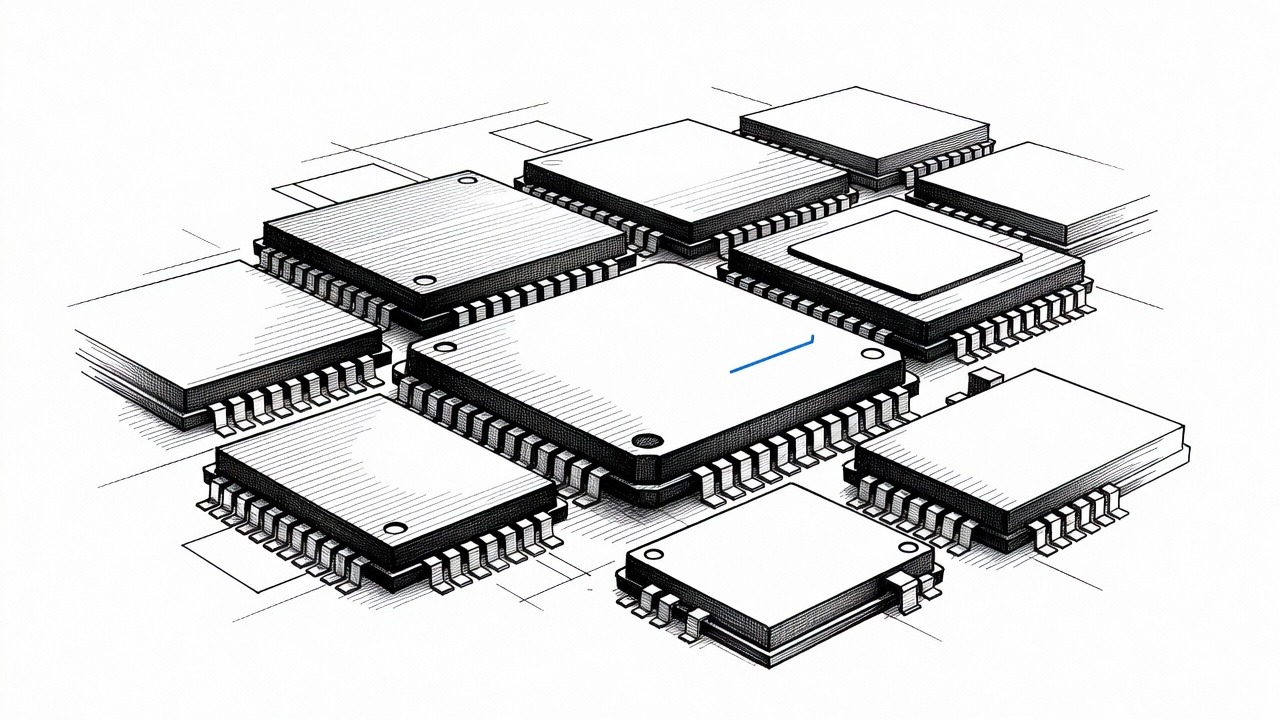
The real story is why costs are rising. CEO John Ternus says memory prices have hit unprecedented levels and will keep climbing past December. This is not a natural disaster. It is the downstream effect of an AI buildout in which the largest firms in the world are bidding for the same scarce chips, and everyone else is expected to eat the price. Memory is also an industry with a tiny number of dominant producers and a documented past of collusion; the Justice Department's DRAM price-fixing case in the 2000s ended in guilty pleas. When a few firms hold a bottleneck and demand explodes, "market forces" is a polite phrase for pricing power.
Now look at Apple's response: $33 billion in new purchase obligations in a single quarter to lock up components. That is what a rich company does to protect itself, and it is rational. But it also shows what scarcity does. Apple can sign checks that smaller device makers, repair shops and ordinary buyers cannot. Even Apple warns of iPhone and Mac supply constraints during the holidays. If the richest consumer-hardware company on earth is rationing, imagine the pressure down the ladder. The AI boom is being sold as abundance, yet its first visible effect on everyday life is that laptops and phones get scarcer and costlier.
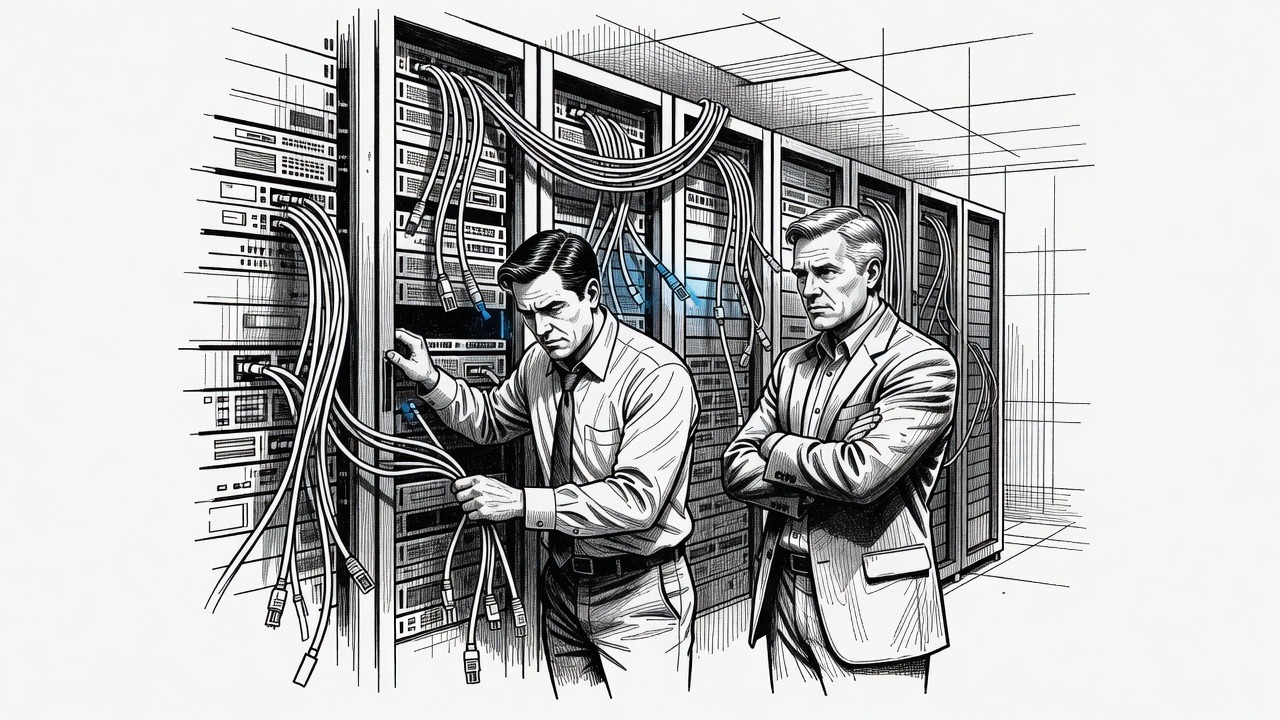
Then comes the passage in Apple's annual filing that deserves far more attention than the margin number. Apple warns that autonomous AI agents could access unauthorized systems, alter or run code, send communications, or complete transactions without explicit instructions. Read that again. This is a company telling investors, in a legal document, that the technology the entire industry is racing to put into your pocket might act in ways nobody intended, including spending your money.
I don't fault Apple for candor. I fault the structure around it. A risk factor is a liability shield disguised as honesty. It lets a company say "we told you" after the damage is done. The risk is disclosed to shareholders, but the harm falls on the person whose bank account was drained or whose messages were sent by a bot. Who is liable when an agent buys something you never approved? Who compensates the victim of a security breach caused by software acting "unpredictably"? Right now the answer is a terms-of-service agreement nobody reads.
This is the pattern the Left should name plainly. The AI industry privatizes the upside, in valuations, margins and strategic position, and spreads the costs: higher hardware prices, strained supply, security exposure, and legal risk pushed onto users. Washington has shown little appetite to set liability rules before the damage arrives. Democrats who want to be taken seriously on technology should stop treating AI as a vague innovation story and start asking who pays when it breaks and who profits when it scales.
Apple will be fine. The question is whether the rest of us will be, and who in power has bothered to ask.
How it may affect me
Apple says iPhone and Mac supply will be constrained over the holidays, and memory costs are expected to keep rising beyond December. If you plan to buy a new device, expect tighter availability and possibly higher prices, so buy earlier rather than waiting. Be cautious about granting AI assistants permission to spend money or send messages for you.