The most revealing number in this story is not the 1.3 million barrels a day shut in. It is the sentence that says the storm is expected to stay east of the Gulf's biggest concentration of oil infrastructure. That is the good news, and the report treats it as such. Notice what that framing measures: how well the assets will fare. A Category 3 storm with 120 mph winds is still heading for the coast of three states, and the people in its path are mostly absent from the account.
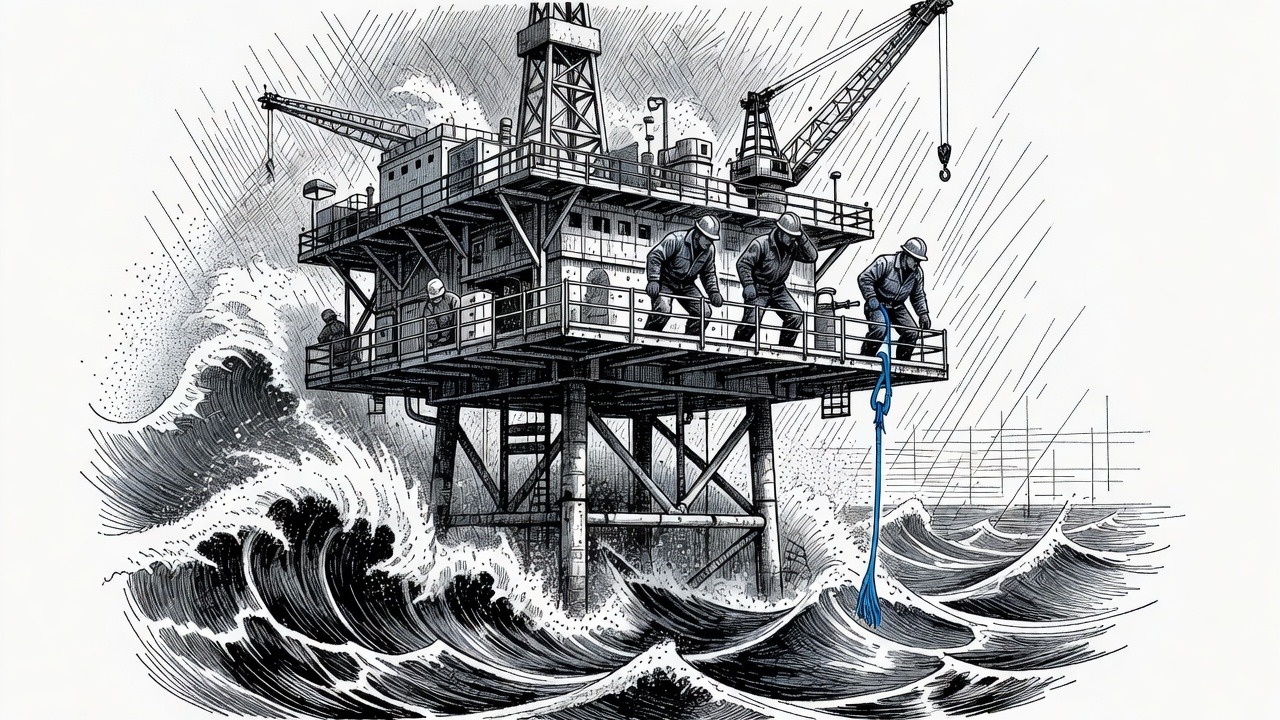
The offshore evacuation is a ritual the industry has rehearsed for decades, and it works because it is cheap. Platforms are shut in and crews are flown out. Production resumes, and in many cases the expensive equipment is safe. Shell, BP and Chevron move people because the legal and reputational cost of leaving them is far higher than a few days of lost output. That is not a criticism. It is how a safety regime is supposed to work, and it exists because earlier disasters made ignoring it unaffordable. But it reminds us that safety here is a product of liability. Exxon's statement that it is "monitoring conditions" and continuing normal operations shows what the baseline looks like when liability is not pressing.
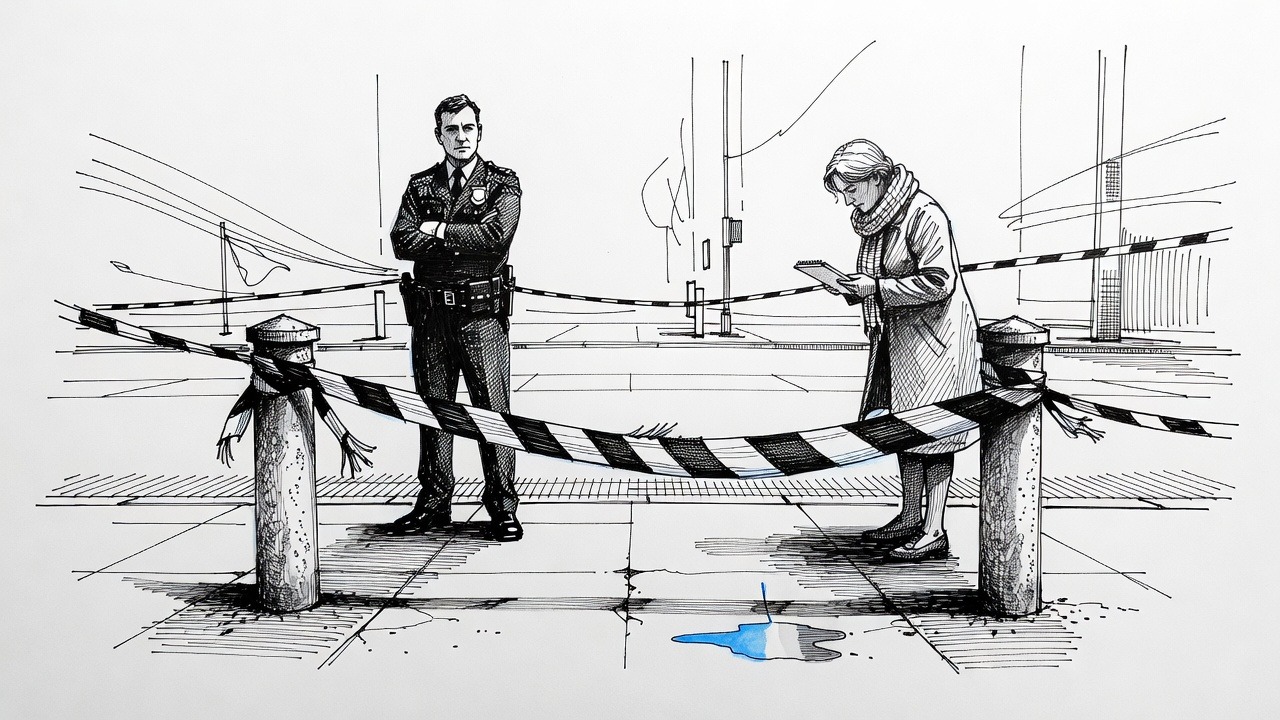
The protocol also covers only part of the workforce. Offshore crews get helicopters. Less visible are the refinery operators and contractors who stay behind to shut units down safely and restart them, and the workers at plants like Chevron's Pascagoula, which was still running under a hurricane warning. We should ask who decides they stay, what they are paid for it, and whether they can refuse. Many of these workers are on contract rather than company payrolls, and they are the least able to say no. The Gulf's history shows that a storm's worst industrial harms come from hurried shutdowns, flooded tanks and power failures, and those risks fall on the fence line as well as the site: the neighborhoods of Pascagoula and Saraland, which sit beside facilities whose emergency plans they have rarely seen.
The analysts quoted name flooding, power outages and disrupted tanker traffic as the main risks. Each of those is a public-infrastructure problem, not a corporate one. Companies depend on grids, ports, roads and levees that taxpayers build and maintain. When the storm passes, the firms will restart on public power and public waterways. Residents will wait on the same grid, usually longer, and rebuild with money they have to find themselves or borrow from the government. Oil's costs are privatized upward as profit and socialized downward as cleanup and repair.
There is a larger irony that the story's neutral tone leaves unsaid. The warm Gulf water that fuels hurricanes of this strength is heated in part by the burning of the product being protected. The industry evacuates its workers from the consequences of a problem it helped make, then returns to producing. Each shut-in is treated as a logistical event. It is better understood as a recurring bill that the region pays and the industry does not.
None of this means the precautions are wrong. Pulling people off platforms is plainly right. The point is where scrutiny belongs. Regulators like the Bureau of Safety and Environmental Enforcement should publish more than barrels shut in. They should say how many workers stayed at coastal facilities, under what conditions, and what releases or near-misses followed. Communities beside the plants should know what is being flared, stored and left running. A storm that narrowly spares the biggest assets is a reason to look at the less glamorous exposures, not to relax.
How it may affect me
If you live on the Mississippi, Alabama or Florida Panhandle coast, the main risks are flooding, extended power outages and disrupted fuel deliveries, not oil production itself. Fill your tank before landfall if you may need to evacuate, but panic buying makes local shortages worse. Because the storm is forecast to miss the biggest Louisiana and Texas refining areas, a national price spike seems less likely. Regional pump prices could still rise briefly if refinery or tanker disruptions occur. Residents near refineries should check local emergency alerts for any chemical releases.