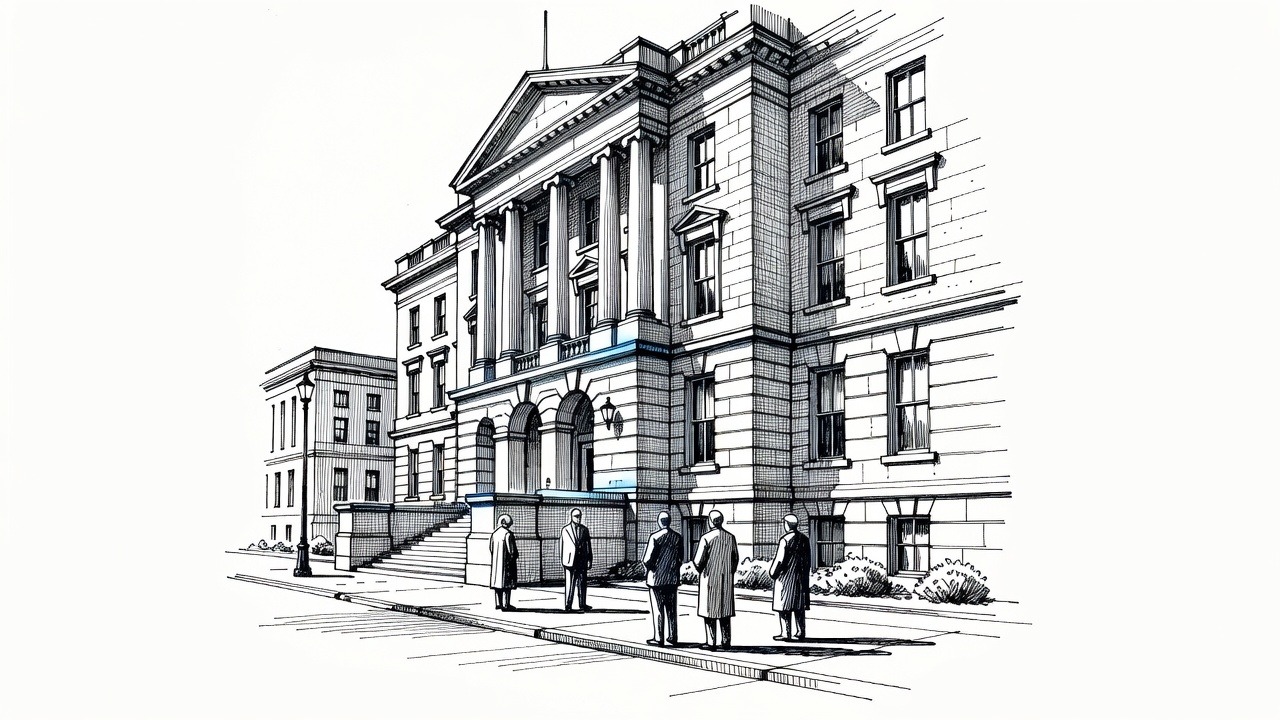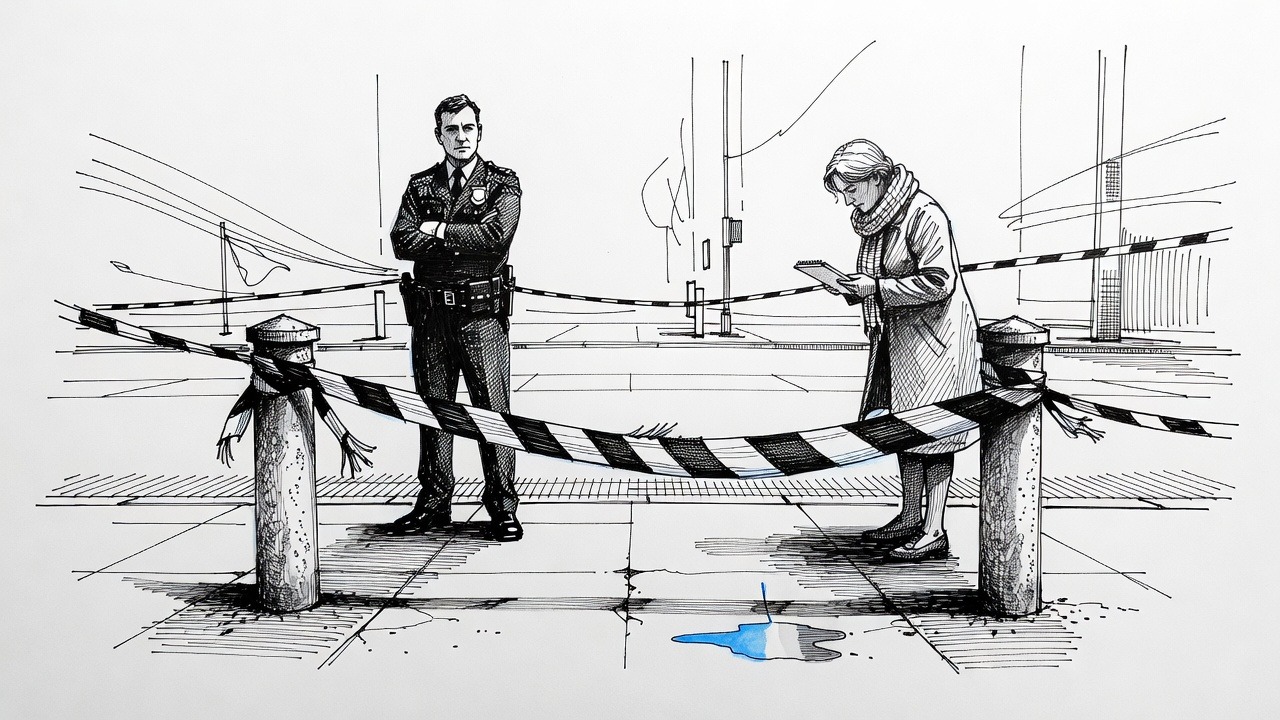
Marble Hill is a small oddity of New York geography. It is legally part of Manhattan but physically attached to the Bronx mainland, a result of a 1895 canal project that cut it off from the island. That is worth remembering this week, because the shooting on West 225th Street raises a question of jurisdiction that most people would not think to ask. When a federal agent fires a gun on a New York street and a person is hit, who gets to find out what happened?
As of now, the answer is the agency that employs the shooter. The NYPD says its officers were not involved. The Department of Homeland Security says one of its agents fired during a "targeted enforcement operation" and that the department is investigating. That is the full architecture of accountability on offer: the actor, the narrator and the investigator are the same institution.
I want to be careful about what we do not know. We do not know why the agent fired, whether the person who was hit was the target, or whether anyone in the vehicle posed a threat. The mayor says preliminary information indicates a five-year-old was in the car; federal authorities have not confirmed that. Agents sometimes face real danger, and a vehicle can be used as a weapon. A columnist who announces the verdict before the video surfaces is doing what DHS usually does, only in reverse.
But the burden of proof here does not sit evenly, and DHS has spent the past year making sure of that. In several shootings during this enforcement surge, the department's first account was a claim that an agent feared for his life. Later video or witnesses complicated that account. In Minneapolis this winter, state investigators complained that they were shut out of evidence after federal agents killed people. The public is not being unreasonable when it declines to accept "we are investigating ourselves" as sufficient. The credibility deficit is the department's own doing. Most law enforcement agencies also restrict firing at moving vehicles precisely because it so often endangers bystanders. If a child was in that car, the question of whether any bullet should have been fired at all is not a technicality.
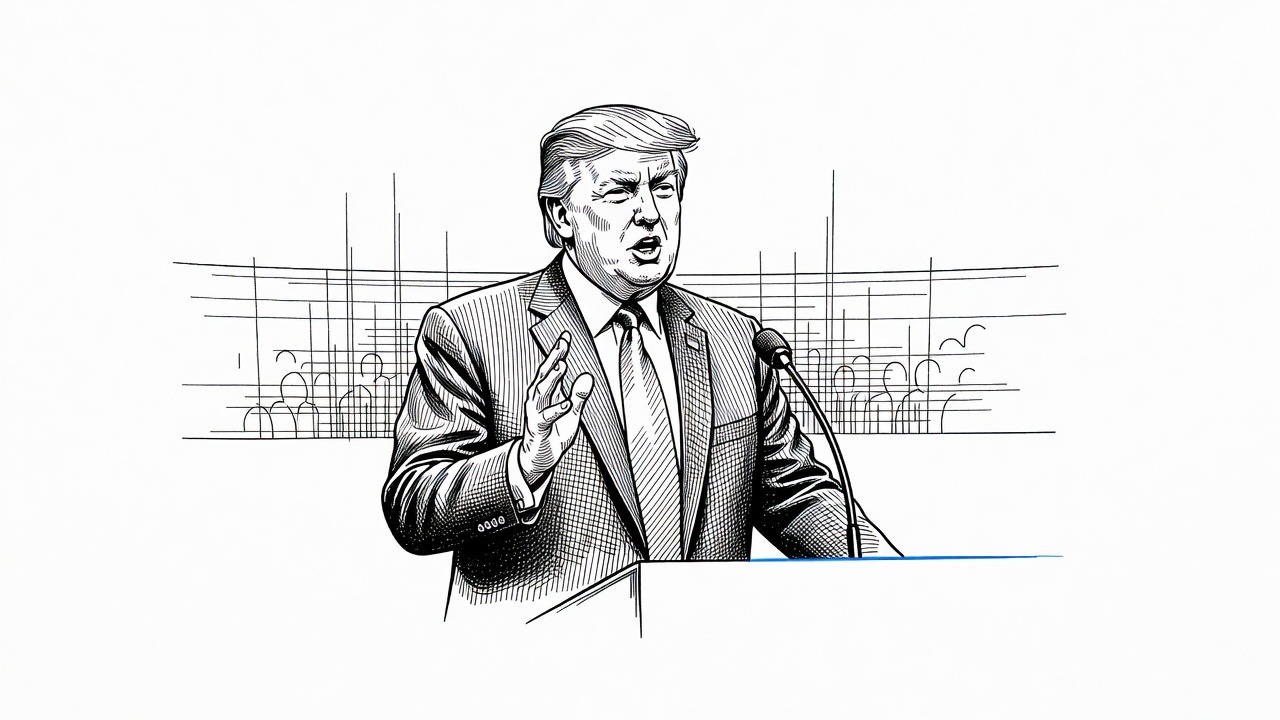
This is also where the left should be honest about its own position. Mayor Mamdani said he called President Trump to ask that federal enforcement actions in the city end. I understand the instinct, and a mayor must show he will stand between his residents and federal power. But a phone call asking a president to stop doing something he campaigned on is a statement of moral position, not a policy. The distance between Mamdani's mandate and his jurisdiction is the central problem of progressive governance under this administration. City Hall can condemn, but it cannot subpoena DHS.
Governor Hochul's request for a "full and transparent account" has the same weakness. Transparent from whom? A request made to the party under suspicion is a hope, not an instrument.
So here is what the instruments might be. Marble Hill is in Manhattan, so Alvin Bragg's office has a plausible claim to open its own inquiry, as local prosecutors have done when federal agents have used deadly force elsewhere. Expect a fight. Federal officers assert Supremacy Clause immunity, and courts have made it hard to prosecute them for acts within their duties. But that immunity depends on the conduct being authorized and reasonable, and no one outside DHS is yet in a position to say whether it was. That is the point of insisting on an independent inquiry: let a court decide, rather than the agency's press office. Albany can help by following states that have started creating civil remedies against federal agents who violate constitutional rights, so that survivors are not dependent on the goodwill of the Justice Department. The NYPD, for its part, should preserve every scrap of scene evidence it can lawfully gather and say plainly that it will not assist in operations that put city residents under fire.
The larger lesson is about what the deployment of masked, lightly identified federal agents into dense urban neighborhoods does to the ordinary compact between police and the policed. City officers answer to a commissioner, a mayor, a council, a civilian complaint board and local prosecutors. These agents answer, in practice, to Washington, and Washington has shown little appetite for finding fault with them. A power that cannot be questioned by the people it operates among is not law enforcement in any sense New Yorkers would recognize. Whatever the video eventually shows, that structural fact is already clear, and it is the one worth fighting over.
How it may affect me
If you witnessed or filmed the incident, keep the original video file, not just a social media copy, and note the time and location. Consider giving a copy to a lawyer, a local immigrant-rights legal group or the Manhattan District Attorney's office, since a federal agency's own investigation may not collect or release independent footage. More generally, residents who encounter federal agents in public have the right to observe and record from a safe distance, but should not physically interfere, since that can lead to arrest or escalate the situation.