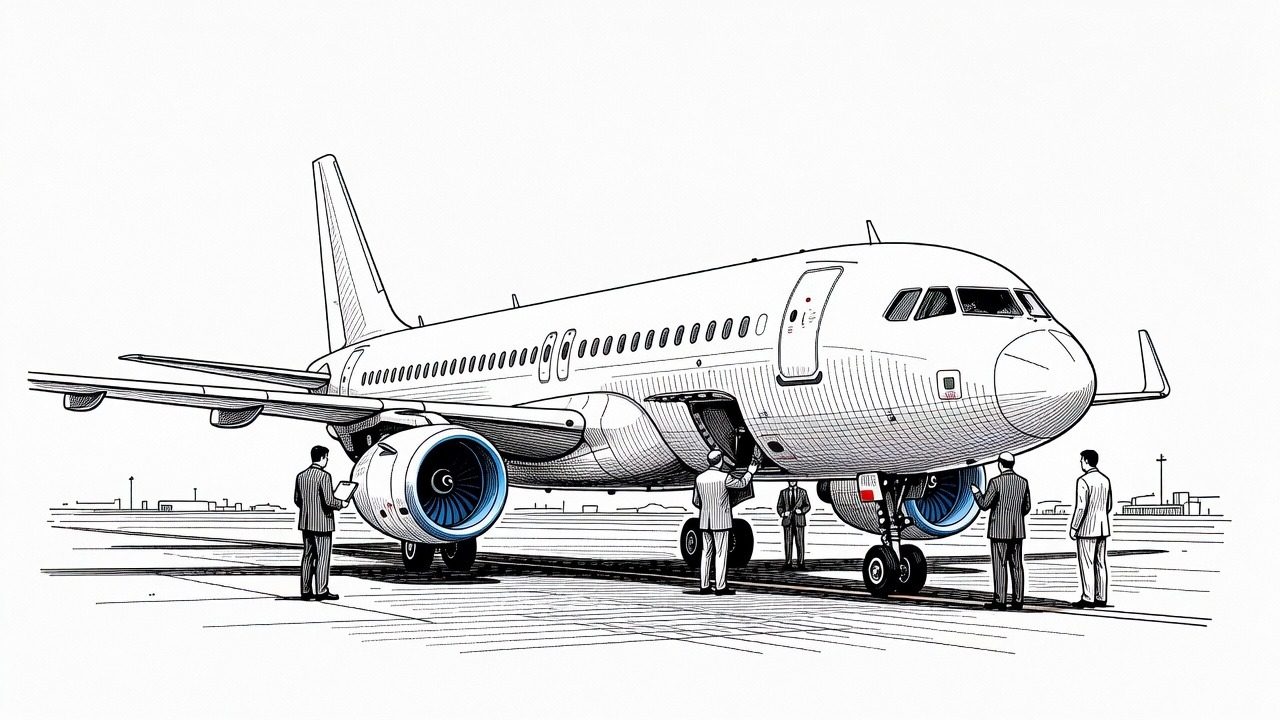
Start with what we actually know, because that list is shorter than the rhetoric around it: a co-pilot attacked the captain, the captain opened the cockpit door mid-confrontation, passengers physically subdued the attacker, the plane dove steeply, landed safely in Saudi Arabia, and continued to Tel Aviv. Everything else — motive, intent, ideology, whether this was terrorism in any legal sense — is still under investigation. Netanyahu's declaration that this was an act of terrorism meant to destroy the aircraft and kill everyone aboard may turn out to be accurate, but it is a political statement issued before the formal inquiry has concluded, not a finding. Treat it accordingly. Prime ministers are not investigators, and pinning a legal and moral label like 'terrorism' on an incident before the UAE-led probe reports its conclusions is the kind of overclaiming that erodes trust in whatever official findings eventually arrive — especially if those findings turn out messier or more ambiguous than the instant political framing suggested.
The more useful question here is institutional: how did this happen at all, and what does it say about cockpit security design? Aviation's post-9/11 and post-Germanwings safety architecture rests on a basic assumption — that the two people with access to the controls are each other's check against catastrophe. That assumption just failed in the worst possible way, with one pilot allegedly trying to become the threat the system was built to prevent. The fact that the plane survived came down to the captain's presence of mind to open the door and passengers' willingness to physically intervene. That is a good outcome. It is not a safety system. Relying on passenger heroism after the fact is not a repeatable strategy; it's a stroke of luck dressed up as resilience.
Who investigates also matters. The UAE is leading the inquiry into an incident on a flight it operated, between Dubai and Tel Aviv — a route that exists at all because of post-Abraham Accords normalization, which gives this investigation obvious geopolitical stakes beyond ordinary aviation safety. That doesn't mean the UAE can't run a competent, credible probe. It means the findings need to be transparent enough, and corroborated by enough independent parties — Saudi authorities who handled the emergency landing, Israeli aviation security, international bodies — that the conclusions carry weight regardless of which government's narrative they happen to support. An investigation widely seen as serving a political storyline, in either direction, is worse than no investigation at all.
The pragmatic takeaway: this incident is a genuine failure point in crew-vetting and in-flight threat response, and it deserves a serious, boring, methodical investigation rather than an immediate verdict. The plane landing safely is the good news. Everything about how an armed-with-intent, or possibly just acutely unstable, co-pilot nearly brought down a commercial aircraft is the part that needs sober scrutiny, not a press conference.
How it may affect me
In the near term, expect little visible change for most travelers — the flight continued to its destination, and one incident, however alarming, doesn't on its own prove the system is broadly unsafe. But airlines and regulators take cockpit-breach events seriously, and the realistic medium-term effect is likely to be tighter psychological screening and background vetting for pilots, possibly renewed debate over mandatory two-person cockpit presence rules (an idea that gained and then lost traction after Germanwings), and additional security layers on sensitive routes tied to Israel-Gulf normalization flights specifically. Any of that could mean marginally higher fares or longer pre-flight procedures on affected routes — a small, diffuse cost most passengers won't notice directly but that insurers and airlines will price in.
The bigger uncertainty is political rather than logistical: if this incident becomes officially framed as terrorism tied to a specific nationality or motive, it could cool some of the civil-aviation optimism around Gulf-Israel normalization routes, which have been a visible, symbolic product of recent diplomatic agreements. Whether that chill materializes, and how durable it is, depends entirely on what the UAE-led investigation actually finds — and on whether its conclusions are seen as credible rather than convenient.