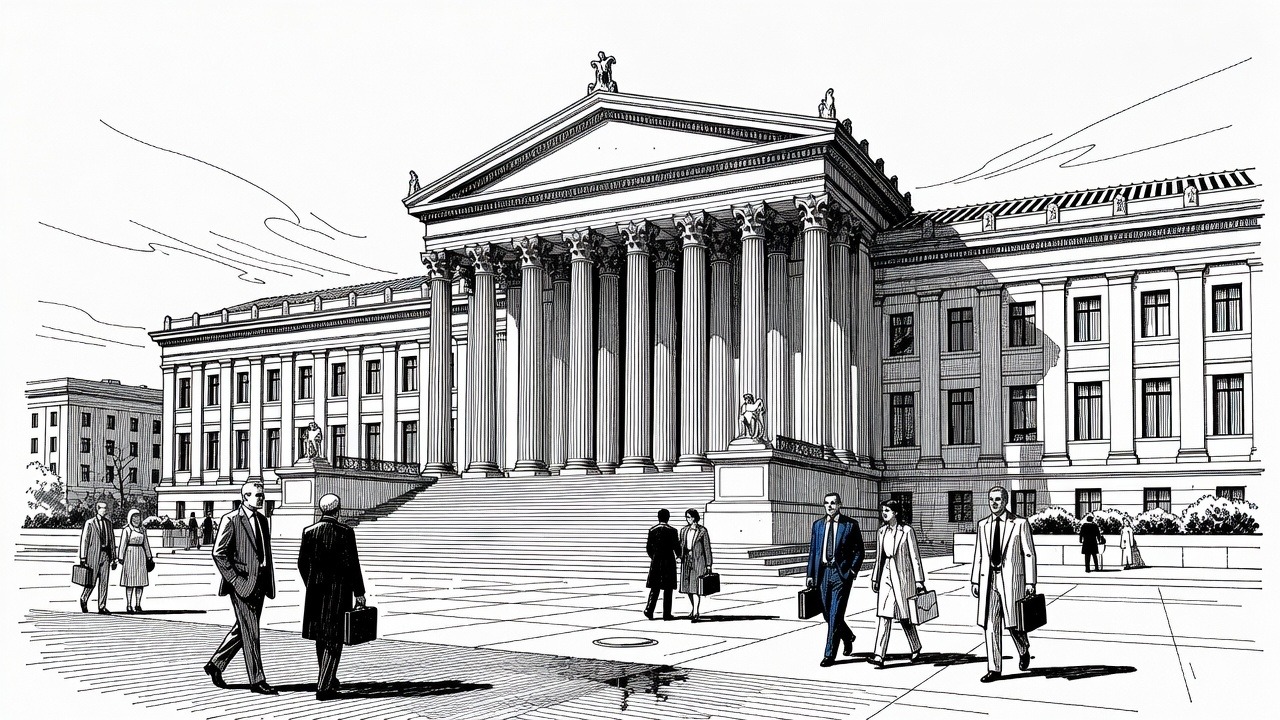
Superpower summits have a predictable habit of reducing profound questions of global stability and self-determination into transactional horse-trading for elite economic interests. Donald Trump’s latest meeting with Xi Jinping fits the pattern neatly: beneath the choreographed pageantry of the National Archives, the tangible deliverables were tailor-made for corporate supply chains—favorable tariff carve-outs on $30 billion in goods each way, critical mineral access, and high-tech risk management through an AI incident hotline.
Yet the real tell was the diplomatic retreat inside the museum itself. Yielding to Beijing’s objections and quietly yanking the 1951 Treaty of San Francisco from the display reveals an administration willing to sanitize history to keep bilateral commerce humming. Meanwhile, the future of Taiwan’s vibrant, self-governing society remains caught in the crosshairs. While the White House insists its official policy has not changed, treating foreign affairs like a commercial ledger risks turning core democratic commitments—from pending arms sales to routine diplomatic visits—into mere bargaining chips. When diplomacy is conducted behind closed doors to secure raw materials and selective market exemptions, democratic solidarity inevitably gets pushed to the margins.
How it may affect me
For ordinary consumers and workers, targeted tariff relief on $30 billion in goods in each direction could marginally stabilize costs for specific imported items, though the structural advantages will primarily flow to the corporations moving those products. The agreement to establish an AI communication channel may provide a modest safety valve, potentially reducing the catastrophic danger of accidental military escalation between nuclear powers. However, as long as Taiwan's democratic status remains leveraged in high-level trade maneuvering, workers and communities across the Asia-Pacific region still face the lingering economic and physical insecurity of unresolved superpower tensions.