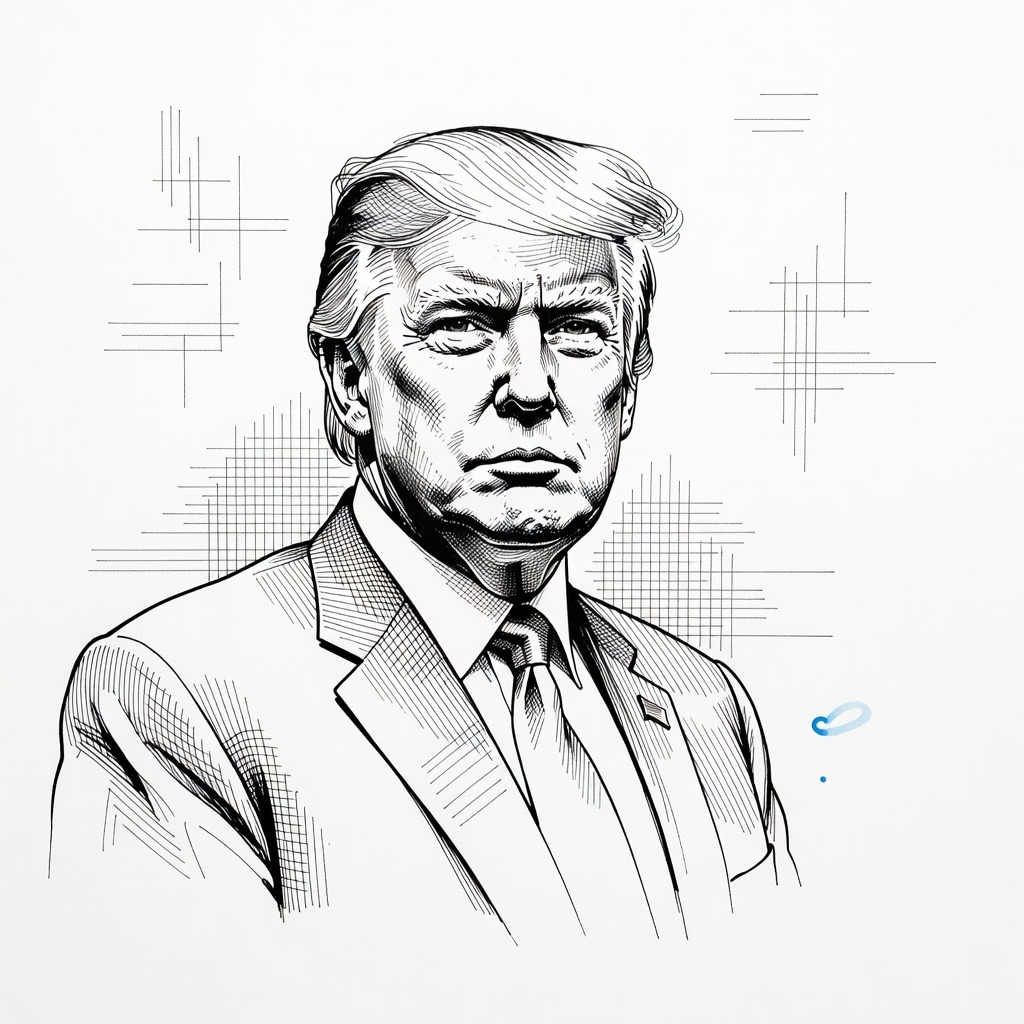
Establishing a direct diplomatic channel between the world's two largest powers on artificial intelligence is a welcome step away from the brink, but the divergent motives behind it reveal the real tension ahead. For too long, the rhetoric surrounding AI has been reduced to a zero-sum imperial contest—a mindset captured by Donald Trump's insistence that simply staying ahead of foreign rivals is what matters most. That posture treats profound technological power merely as a weapon for geopolitical and economic supremacy, an approach that historically incentivizes governments to strip away ethical safeguards, disregard societal costs, and let unchecked corporate development run wild in the name of national dominance.
By contrast, the assertion that AI must serve human well-being and remain under human control identifies the actual collective challenge facing humanity. Rapidly advancing toward what both leaders now call 'super intelligence' without shared international standards risks an unregulated race to the bottom, where public safety, labor, and democratic accountability are subordinated to military readiness and corporate profit. While deep-seated economic and strategic rivalries will undoubtedly make concrete agreements difficult to achieve, dialogue is indispensable. Powerful technologies cannot be left entirely to the whims of nationalist competition; they require cooperative guardrails before the consequences of an uncontrolled arms race become irreversible.
How it may affect me
In the near term, this agreement will not change how ordinary people interact with artificial intelligence in their daily lives or workplaces. Over the longer term, however, whether these talks yield meaningful rules could directly influence how quickly and safely powerful technologies are deployed. If diplomatic engagement successfully restrains a reckless technological arms race, it may reduce the risk of destabilizing military applications or catastrophic errors from unchecked systems. Conversely, if high-level talks remain purely symbolic while both nations prioritize competitive dominance, ordinary workers and communities are more likely to bear the brunt of unregulated technological disruption without basic safeguards protecting public well-being.