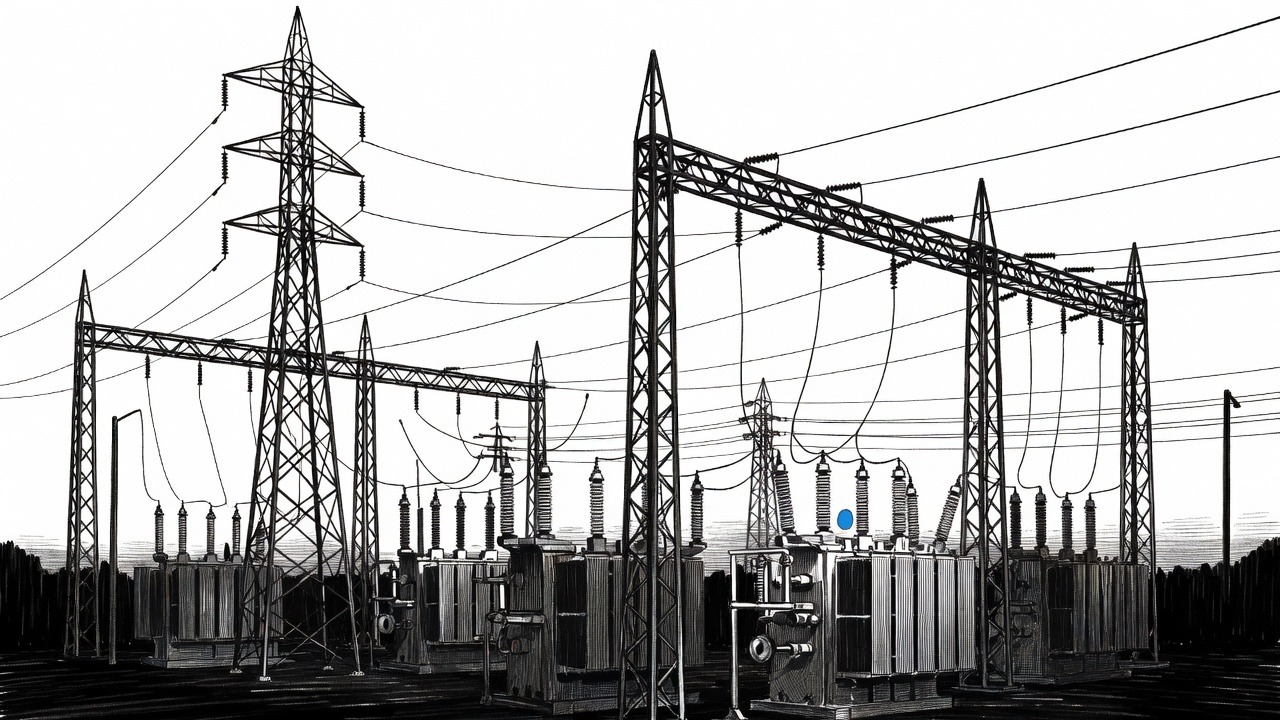
The market just restated an old rule that income investors keep forgetting: utilities do not set their own price. The bond market does. When Treasury yields climbed, the Utilities Select Sector SPDR ETF gave up its earlier outperformance because higher yields are direct competition for dividend-paying stocks. Capital has alternatives. That is not a failure of the sector so much as a reminder that yield is earned, not owed.
Thursday's stabilization — the iShares 20+ Year Treasury Bond ETF posting its strongest intraday gain in at least a month — and Friday's weaker-than-expected jobs report, which put downward pressure on rates, are the same mechanism running backward. Rate relief can lift what rate pressure crushed. Anyone reading that bounce as proof the business suddenly improved is confusing a pause in the bond market with a change in the companies.
The options tape agrees. Trading in the utilities ETF rose sharply, including January puts and calls. That is a two-sided bet, not a coronation. Traders are pricing the chance that rate relief holds and the chance that it does not.
Mike Khouw's reading is the disciplined one. The decline reflected interest-rate pressure and lower valuations, not weaker earnings. Valuation near the 10-year average is roughly fair, not a fire sale and not a bubble. Recovery, if it comes, still hinges more on yields than on a new story about the sector.
The part worth respecting is private demand, not a policy narrative. Power demand tied to data centers and long-term power agreements could support future earnings estimates — capital chasing electricity because someone expects to need it and is willing to contract for it. That is how markets are supposed to work. The offset is equally honest: high capital spending needs can restrain dividend growth in the near term. Builders deploy cash now; income investors get paid later, if the projects earn their keep. That tradeoff is not a scandal. It is the cost of real investment.
A soft jobs print that eases rates is relief for rate-sensitive assets. It is not evidence the economy just got healthier. Cheaper money and stronger earnings are not the same thing, and treating them as interchangeable is how investors get surprised twice.
How it may affect me
If you hold utility shares, a utilities ETF, or long-dated Treasuries for income, the near-term effect is that a calmer bond market and softer rate pressure can support prices that were marked down when yields rose. The jump in options activity suggests professionals are already positioning for that outcome — and for the opposite one. Retirement accounts heavy in dividend payers may feel less squeezed if yields stay contained, but that relief is conditional and could fade if rates climb again.
Further out, data-center power demand and long-term power agreements might support utility earnings, which could matter for savers who rely on those dividends. High capital spending, though, may keep dividend growth restrained in the near term, so a higher share price does not automatically mean a fatter payout. A weaker jobs report that pushes rates down is a mixed signal for households: borrowing costs might ease if the move in Treasuries persists, but softer employment is not a free benefit. None of this is assured. It depends on whether bond-market stability lasts and whether power demand shows up in earnings rather than only in the commentary.