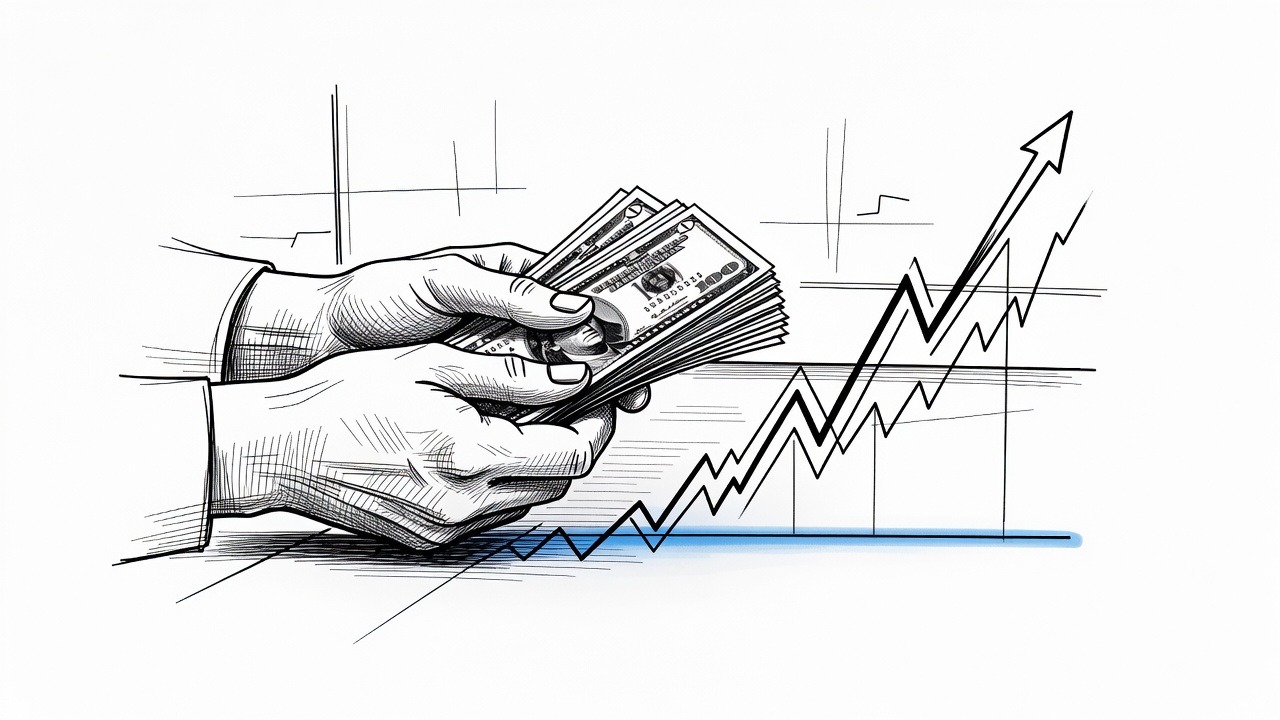
When the 10-year Treasury yield spikes to levels unseen in over two decades, Wall Street frets about falling stock prices, but the real burden lands squarely on the rest of the economy. The Federal Reserve's blunt strategy for managing inflation relies on tightening credit until demand cracks—and market reactions to a single manufacturing prices-paid metric show just how twitchy policymakers remain. By relying on aggressive borrowing-cost hikes to discipline the economy, the current monetary framework treats rising costs as something ordinary households must absorb through costlier debt, rather than addressing supply-side friction. Furthermore, as the Institute of International Finance highlights rising sovereign debt expenses, the predictable danger is that ballooning interest obligations will soon be weaponized by deficit hawks to justify spending cuts to essential public investments and social programs.
How it may affect me
For ordinary people, higher Treasury yields translate quickly into higher everyday borrowing costs. Anyone looking to buy a home faces mortgage rates anchored to these long-term benchmarks, pushing homeownership even further out of reach for working-class and first-time buyers, while existing borrowers face elevated interest rates on credit cards and auto loans. If escalating borrowing costs successfully cool the economy or prompt another Federal Reserve rate hike, workers may also face a slowing job market, reduced hiring, and tighter household budgets as servicing existing debt consumes a larger share of their income.