UK leader says Iran may have been involved in RAF Fairford incident

Illustration for: UK leader says Iran may have been involved in RAF Fairford incident
AI-generated illustration. Visual interpretation does not represent real individuals or scenes.

THE BARE STORY

Five British nationals aged 23 to 25 were arrested near RAF Fairford in Whelford, Gloucestershire, on suspicion of terrorism-related and explosive offences. They were later released on bail.

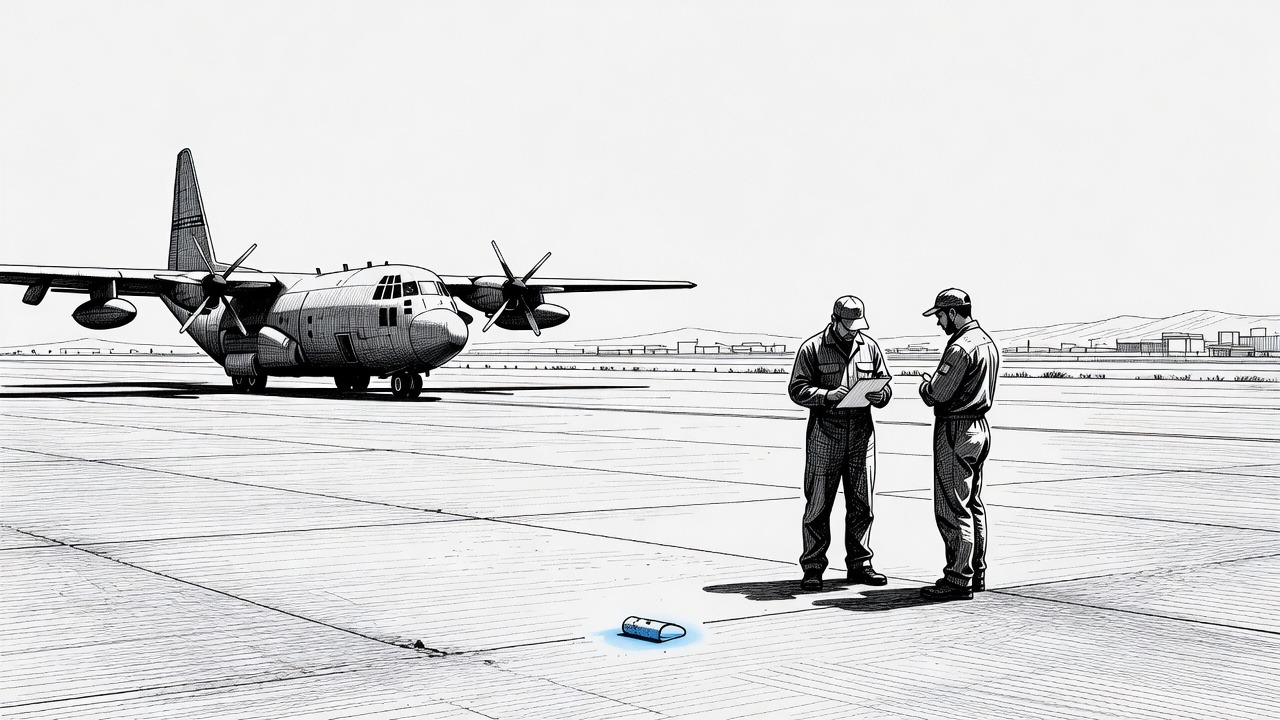
The base has been used by U.S. aircraft in operations involving strikes on Iranian targets. Police were alerted to three suspicious vehicles near the site, according to authorities.

Prime Minister Andy Burnham said there were strong indications that Iran had played a role in the incident, while saying the investigation was continuing. U.S. Secretary of State Marco Rubio also said the matter involved a foreign actor, without publicly providing evidence.

Iranian Foreign Minister Abbas Araghchi rejected the allegations. Iran’s embassy in London also denied any connection between Tehran and the incident.

Same Facts. Different Perspectives.

Three AI models. Three viewpoints. One factual foundation.

Start with what we actually know: five British nationals, all in their twenties, were arrested near a sensitive military installation and then released on bail. That last detail matters more than the headline suggests. Bail release after a terrorism-related arrest typically means investigators did not have enough to hold the suspects on remand — not that the threat was imaginary, but that the evidentiary picture is still forming. Against that backdrop, a prime minister declaring 'strong indications' of Iranian involvement, and a U.S. secretary of state backing him up without offering public evidence, is getting ahead of the process.

This is not a case for reflexive skepticism toward Western intelligence agencies, which do sometimes possess classified evidence they cannot responsibly disclose mid-investigation. But institutional credibility is a finite resource, and spending it on confident public attribution before charges are even filed is a bad trade if the claim later proves thin. Governments have made this mistake before — moving quickly from suspicion to public certainty, then quietly walking it back once the paperwork catches up. The reputational cost of being wrong on an Iran-attribution claim, in an already volatile regional environment, is considerably higher than the cost of waiting a few more weeks to say something firmer.

There's also a meaningful distinction getting flattened here: the suspects are British nationals, not Iranian operatives caught in the act. 'Iran may have been involved' could mean anything from direct state tasking to loose ideological alignment to something considerably murkier — and the public has no way to judge which, because no evidence has been shown. Iran's denial, for what it's worth, is exactly what you'd expect regardless of guilt or innocence, so it tells us little either way.

The pragmatic read: treat the political statements as claims under investigation, not findings. The institutions that actually matter here — police, prosecutors, courts — haven't concluded anything yet. Everyone else is speculating out loud, with microphones.

How it may affect me

For now, the practical effect on daily life is minimal — the base remains secure, suspects remain on bail rather than in custody, and no charges have been confirmed. The more consequential effects are downstream and uncertain. If British and American officials continue making attribution claims before the investigation concludes and are later proven right, it could justify tougher scrutiny of UK-based networks with foreign ties. If they're wrong, or if evidence never materializes publicly, it risks further eroding public trust in official statements about national security — making people more skeptical of future warnings, including ones that turn out to be accurate. There's also a diplomatic dimension: public accusations against Iran, even hedged ones, can raise regional tension and complicate any future de-escalation, regardless of what the facts ultimately show. Readers should treat current official statements as provisional claims, not established fact, until charges or formal findings are made public.

Read the story at

Note: All TheBareNews content is AI-generated. For additional context, reporting, and updates, you are invited to explore the news outlets linked above.

Stories You May Have Missed