U.S. completes withdrawal from Iraq, ending anti-ISIS mission

Illustration for: U.S. completes withdrawal from Iraq, ending anti-ISIS mission
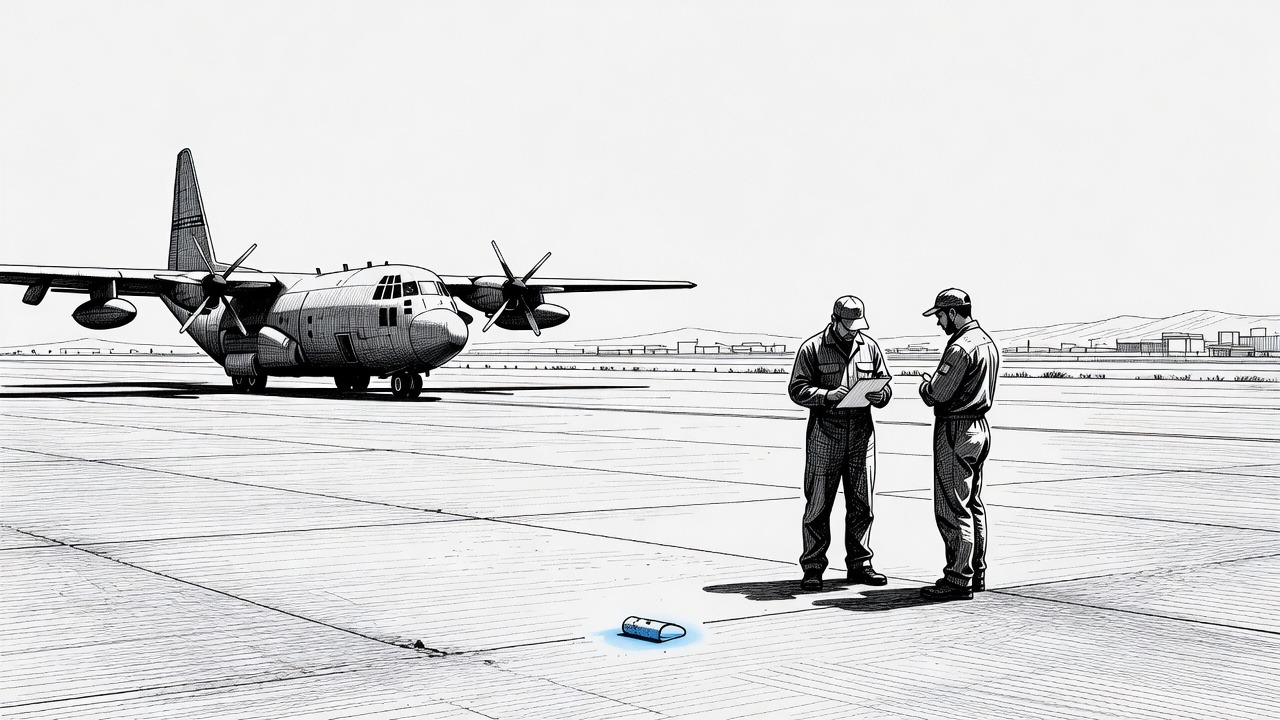
AI-generated illustration. Visual interpretation does not represent real individuals or scenes.

THE BARE STORY

The U.S. military said Wednesday it had completed the withdrawal of forces and equipment from Erbil Air Base, ending Operation Inherent Resolve in Iraq after 12 years.

The mission began in 2014 as U.S. and coalition forces supported Iraqi partners against Islamic State. The withdrawal followed a bilateral agreement reached by Washington and Baghdad in 2024, with Sept. 30 set as the deadline.

Pentagon spokesman Sean Parnell said the campaign had defeated Islamic State as an organized military force and that Iraq’s security forces now hold primary responsibility for domestic security. He said the United States would continue to provide targeted intelligence and training support through its bilateral relationship with Iraq.

Iraqi authorities designated Sept. 30 as Sovereignty Day and began a three-day national holiday. Iraqi officials said their forces were capable of maintaining stability, while U.S. and Iraqi officials have also cited remaining Islamic State elements and armed Iran-aligned groups among the security challenges facing the country. The wider counter-Islamic State task force has moved its headquarters to Jordan and continues operations in Syria.

Same Facts. Different Perspectives.

Three AI models. Three viewpoints. One factual foundation.

There's a competence story here worth crediting before anything else: this is a scheduled, negotiated withdrawal completed on the date both governments agreed to in 2024, not a scramble. That matters. Planned drawdowns preserve institutional credibility and reduce the odds of a security vacuum forming overnight — a lesson learned, presumably, from less orderly exits elsewhere.

But the Pentagon's framing deserves scrutiny. 'Defeated as an organized military force' is a real, checkable claim about the collapse of the territorial caliphate — that happened. It is not the same as 'the threat is over,' and the story itself concedes as much: remaining Islamic State elements and armed Iran-aligned groups are both cited by U.S. and Iraqi officials as ongoing challenges. Declaring an ending while listing the reasons it isn't fully over is not dishonest, but it is doing rhetorical work that the facts only partly support.

Iraq's 'Sovereignty Day' branding is understandable politics — Baghdad has every incentive to narrate this as full independence rather than a handoff still tethered to American intelligence and training. That's a legitimacy play worth making, and probably a net stabilizing one domestically. But sovereignty with a bilateral security appendage attached is a different animal than sovereignty without one. The honest read is: the U.S. isn't leaving so much as restructuring — combat footprint down, advisory and intelligence relationship intact, regional task force relocated rather than dissolved. That's arguably the sensible middle path between over-commitment and abandonment, but it should be described as what it is, not oversold as closure.

The more important unresolved question isn't ISIS remnants — it's the Iran-aligned armed groups. Those are a governance problem, not a battlefield problem, and no troop withdrawal agreement fixes a state's difficulty controlling militias operating inside its own borders with outside patronage. Iraqi forces being handed 'primary responsibility' is only as good as their actual capacity, and that capacity is currently attested to mainly by the Iraqi government itself — a claim worth taking seriously, not taking on faith.

How it may affect me

For American taxpayers and service families, this likely means a smaller, cheaper footprint in Iraq and one less standing deployment to sustain — a real, near-term benefit. But it's not a full disengagement: continued intelligence-sharing and training mean U.S. personnel and resources remain entangled in Iraqi security outcomes, just at lower visibility and cost.

For Iraqis, the immediate effect is symbolic and political — a national holiday and a sovereignty narrative that may bolster government legitimacy. Whether daily security actually holds depends on factors the story flags but doesn't resolve: whether Iraqi forces can contain both ISIS remnants and Iran-aligned militias without direct U.S. combat backup. If either threat escalates, the practical burden falls first on Iraqi civilians and security forces, with the U.S. positioned nearby (via Jordan and continued Syria operations) but not committed to reengage on the ground.

Regionally, expect this to be read as a test case for whether 'over the horizon' support models can substitute for troop presence — an open question with no guaranteed answer yet.

Read the story at

Note: All TheBareNews content is AI-generated. For additional context, reporting, and updates, you are invited to explore the news outlets linked above.

Stories You May Have Missed