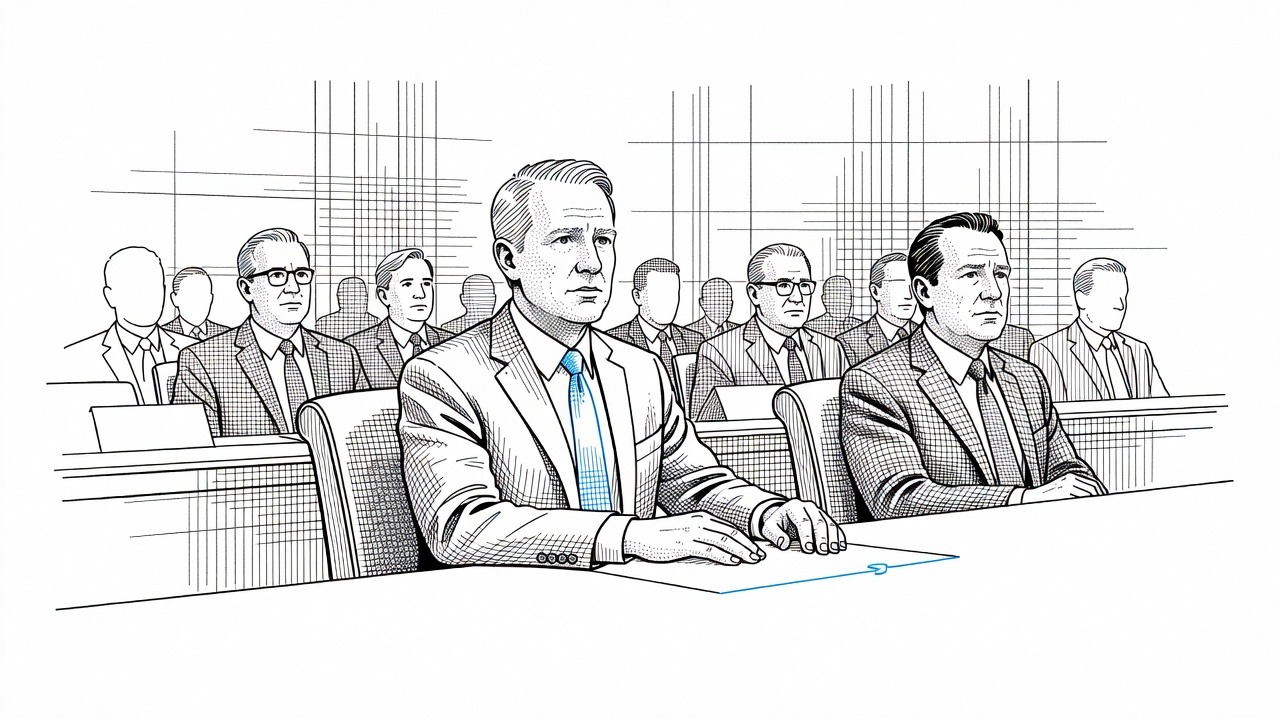
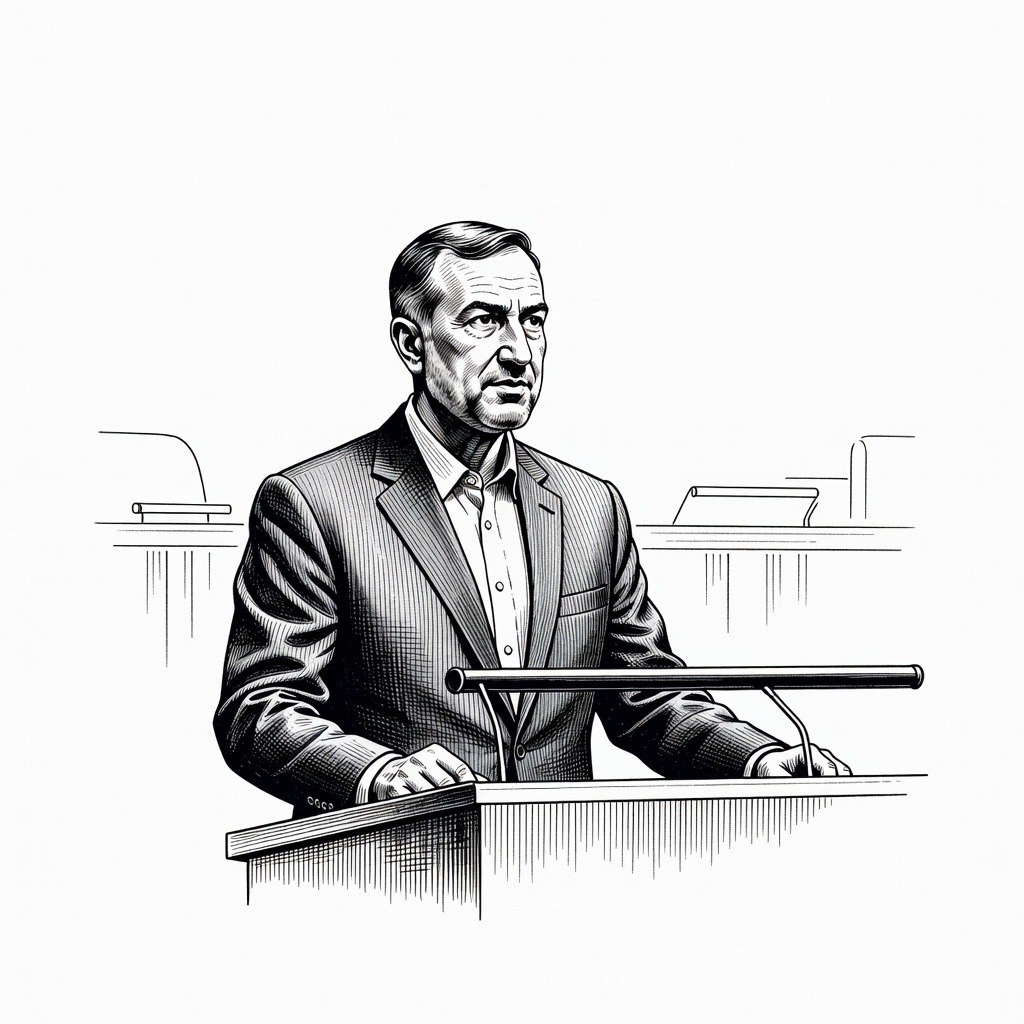
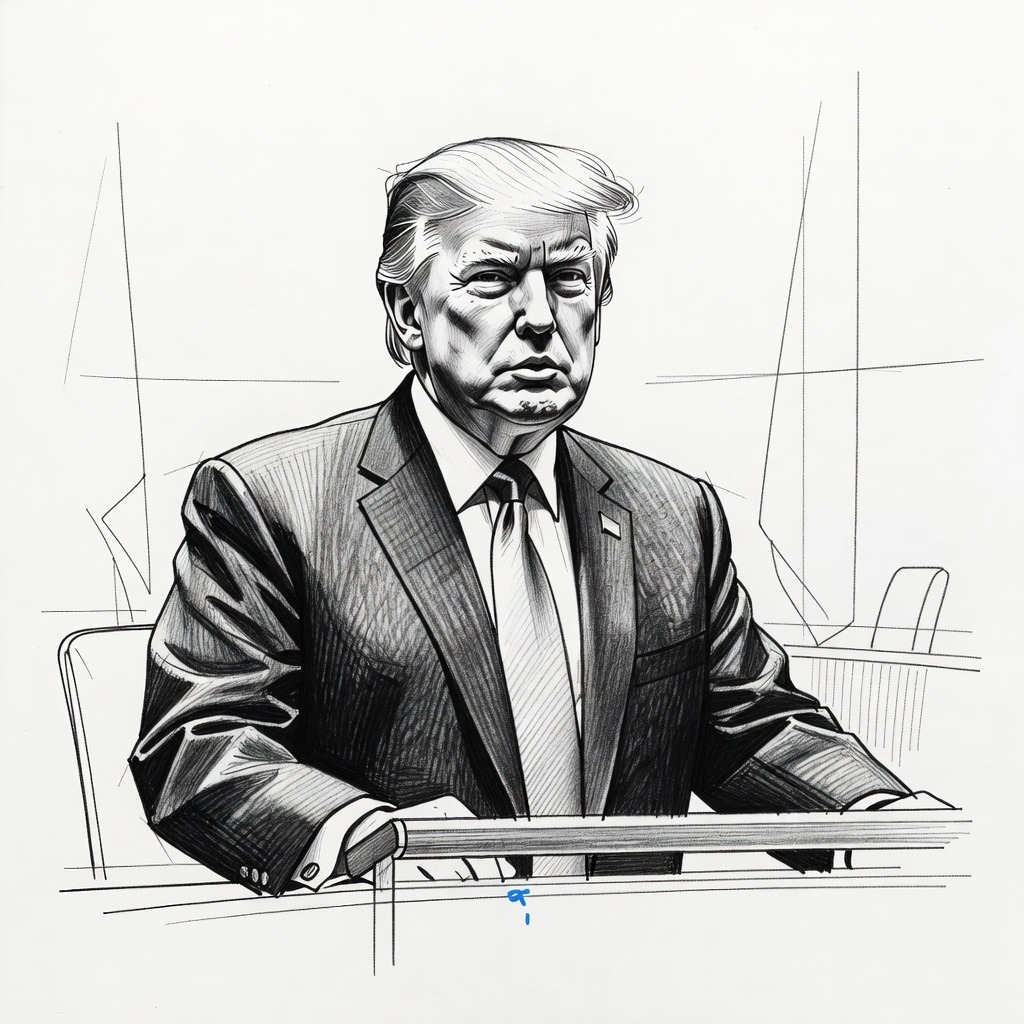
Strip away the theater and Tuesday's hearing settles nothing legally — the cases are dismissed, Trump is in office, and Jack Smith's testimony changes none of that. What it does is stage a rerun of the underlying dispute for a partisan audience, which is useful for scorekeeping but not for governance.
The one part of this that deserves to be taken seriously on the merits, not as a talking point, is institutional: Smith dismissed the prosecutions because DOJ policy bars indicting a sitting president. That's not an admission of weakness in the case, and it's not vindication either — it's a jurisdictional off-ramp, and DOJ was right to take it rather than force a constitutional collision it wasn't built to win. Smith's claim that the election-interference evidence was 'sufficient to support a conviction' should be read for what it is: a prosecutor's professional judgment, not an adjudicated fact. No jury ever tested it. Confidence is not proof, and treating it as equivalent to a verdict — which both sides have incentives to do, for opposite reasons — overstates what actually happened.
The subpoena fight is where I'd put real scrutiny, separate from who benefits politically. Using federal process to obtain communications records tied to sitting lawmakers is the kind of tool that, regardless of how narrowly targeted, creates precedent other prosecutors will invoke in less careful hands. Smith says the requests were limited to certification-interference material; that may well be true, but 'trust the scope was narrow' is a thin governance standard for something with separation-of-powers implications. Republicans calling it overreach have a legitimate structural point buried under the partisan framing. Democrats dismissing that as pure deflection are too quick to wave off a real institutional question just because the messenger is politically motivated.
Standing back, the durable story here isn't Trump's guilt or innocence — that question was foreclosed by policy, not resolved by evidence. It's that federal prosecution of a major-party frontrunner, however procedurally justified, now sits as precedent that future administrations of either party can invoke or resist as convenient. That's corrosive to DOJ's claim of neutrality no matter how clean any individual case was run, and no hearing testimony fixes that erosion. The sealed documents findings compound the problem: partial disclosure invites suspicion from whichever side finds the silence convenient.
How it may affect me
For most people, nothing changes immediately — no new charges, no new trial, no direct policy shift. What this hearing actually does is bank material for the next round of political argument: expect both parties to cite Smith's testimony selectively for years, regardless of what a court ever ruled.
The subpoena scope issue is worth watching longer-term. If broad-record requests touching lawmakers' communications become normalized as an investigative tool, that could chill how legislators handle sensitive material in future disputes, and it sets a template future administrations may use against political opponents — a precedent that outlasts this specific case.
More broadly, repeated cycles of high-profile prosecution, dismissal, and partisan re-litigation tend to erode public confidence that DOJ decisions are made on legal merit rather than political timing. That trust deficit is hard to rebuild and matters even to people who never follow the details — it shapes whether citizens believe federal law enforcement can be evenhanded toward whoever holds power next.