
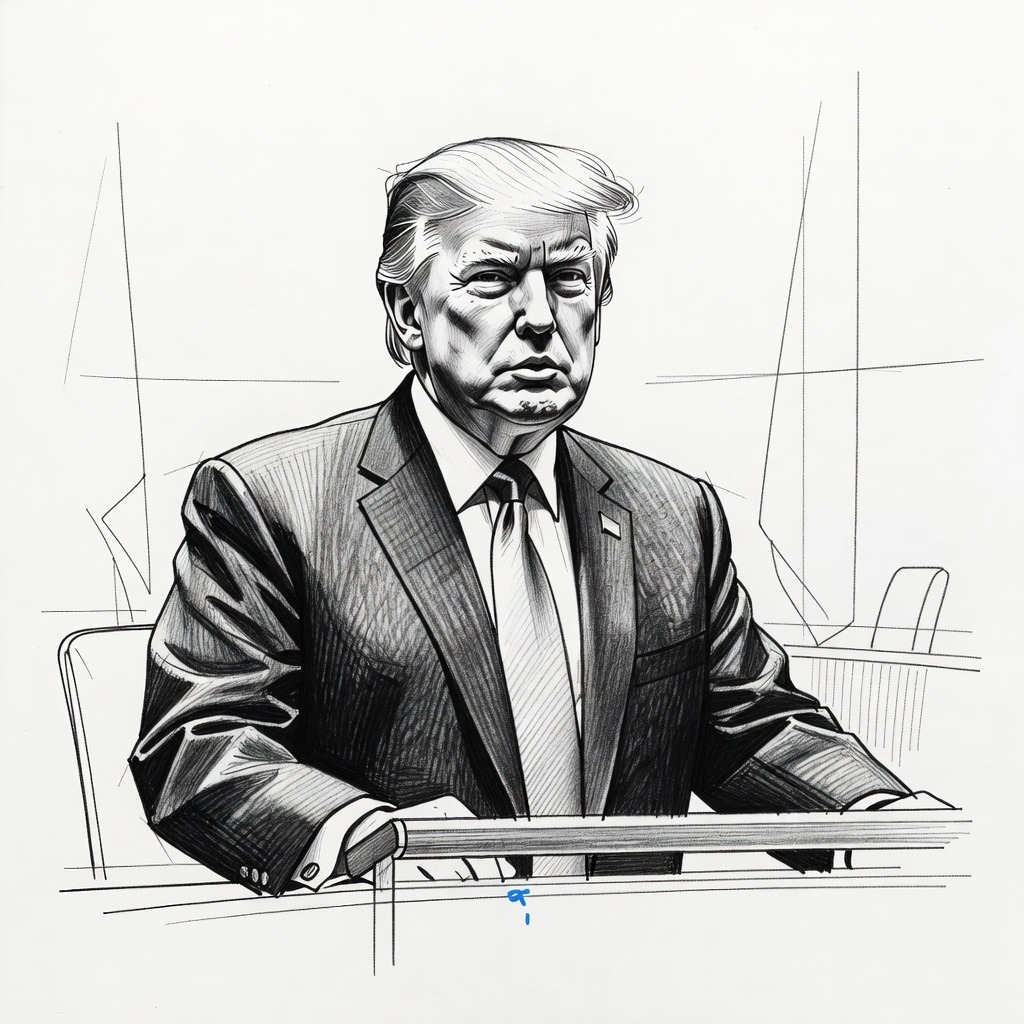
• Diplomatic Isolation Risks Escalation Direct engagement and structured diplomacy are essential tools for defusing regional flashpoints. Refusing bilateral dialogue with Iranian President Masoud Pezeshkian while he is present in New York undermines the United Nations’ core mission as an open diplomatic clearinghouse. Relying on deterrence rhetoric over face-to-face negotiations increases the danger of miscalculation in high-stakes arenas like the Strait of Hormuz. Genuine non-proliferation and sustainable regional security require institutionalized diplomacy rather than unilateral pressure.
• Humanitarian Priority in Gaza Sustainable peace must address the underlying human costs and international legal frameworks governing conflict zones. The administration's proposed peace plan for Gaza faces severe skepticism if it is negotiated primarily alongside military alignment with Gulf states rather than through comprehensive, consensus-driven multilateral accords. Prioritizing strategic trade corridors and maritime routes over international humanitarian standards risks leaving core human rights grievances unresolved. Lasting stability demands that the protection of civilians and broad regional consensus drive foreign policy agendas.
• Vulnerability of Transactional Coalitions Bilateral bargaining outside established international norms risks creating brittle and contested security architectures. Engaging with Venezuelan interim leader Delcy Rodriguez following regime turnover, alongside ad-hoc talks regarding Greenland and Ukraine, reflects a transactional approach that can destabilize sovereign governance. Relying on unilateral power plays rather than rule-bound international institutions erodes collective security agreements. Without broad multilateral consensus, sudden geopolitical realignments create persistent enforcement challenges and international pushback.
How it may affect me
As a U.S. reader:
• Efforts to protect shipping channels and energy corridors in the Strait of Hormuz may support domestic economic stability and protect supply chains from regional trade disruptions.
• The strategy of addressing Iranian nuclear capabilities through deterrence rather than direct bilateral negotiations could impact regional stability and the risk of international conflict.
• Bilateral negotiations with key international leaders, including upcoming talks with China, may shape broader foreign trade policies and global security agreements.