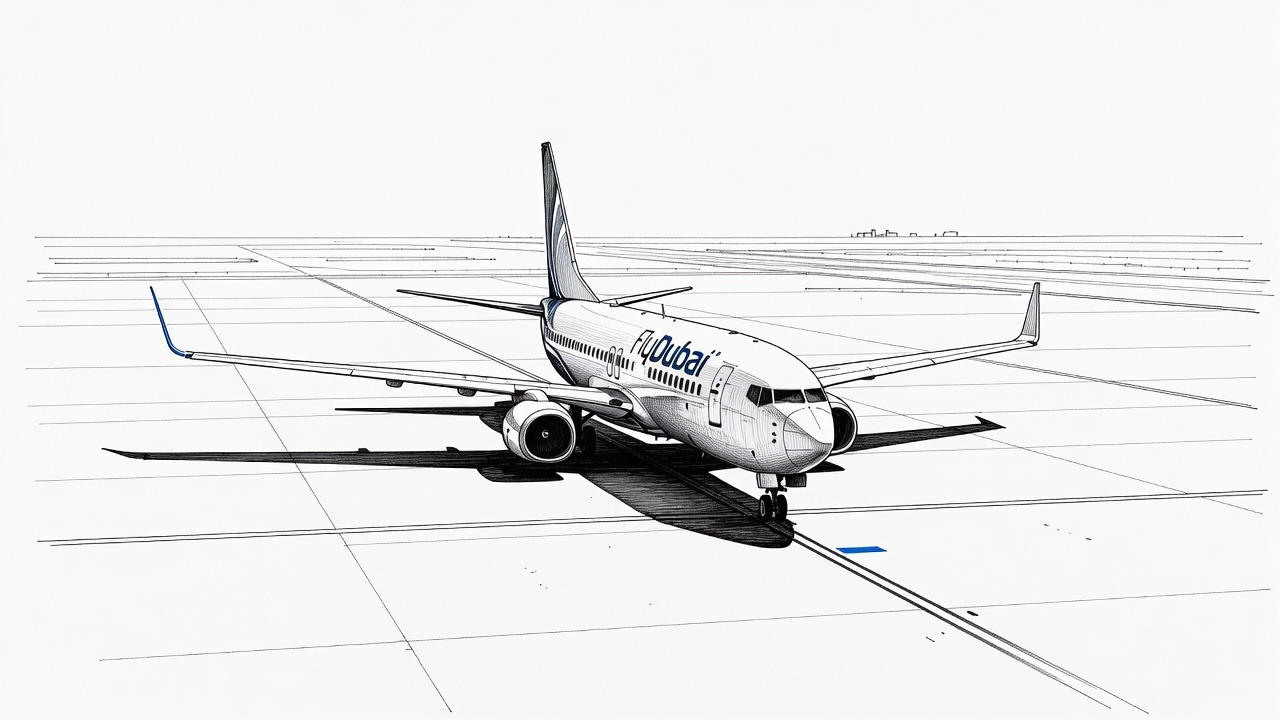
Strip away the geopolitics for a moment and look at what actually saved this flight: not a reinforced cockpit door, not a screening protocol, not an air marshal. It was ordinary passengers and crew members physically fighting their way into a cockpit and restraining an armed attacker mid-descent. That is a genuinely remarkable outcome, and it deserves credit. It is also an uncomfortable fact for anyone who assumes modern aviation security has this scenario covered. It does not.
Post-9/11 cockpit security was built almost entirely around one threat model: keeping intruders out. Reinforced doors, lockable cockpits, restricted access rules — all designed to stop someone from the cabin getting in. What they were never designed to stop is a threat already inside, holding a valid license and sitting in the seat next to the captain. If the allegations here hold up, that is precisely what happened. The industry has lived through this exact category of failure before — a solo pilot deliberately endangering an aircraft — and the policy response at the time was the 'rule of two,' requiring a second authorized person in the cockpit whenever one pilot steps out. Whether that rule was functioning here, and whether it would have changed anything, is a question regulators should be asking now, not months from now after the news cycle moves on. Vetting pilots for technical competence is a solved problem. Vetting them for psychological risk or susceptibility to radicalization over a career is not, and this incident is a blunt reminder of that gap.
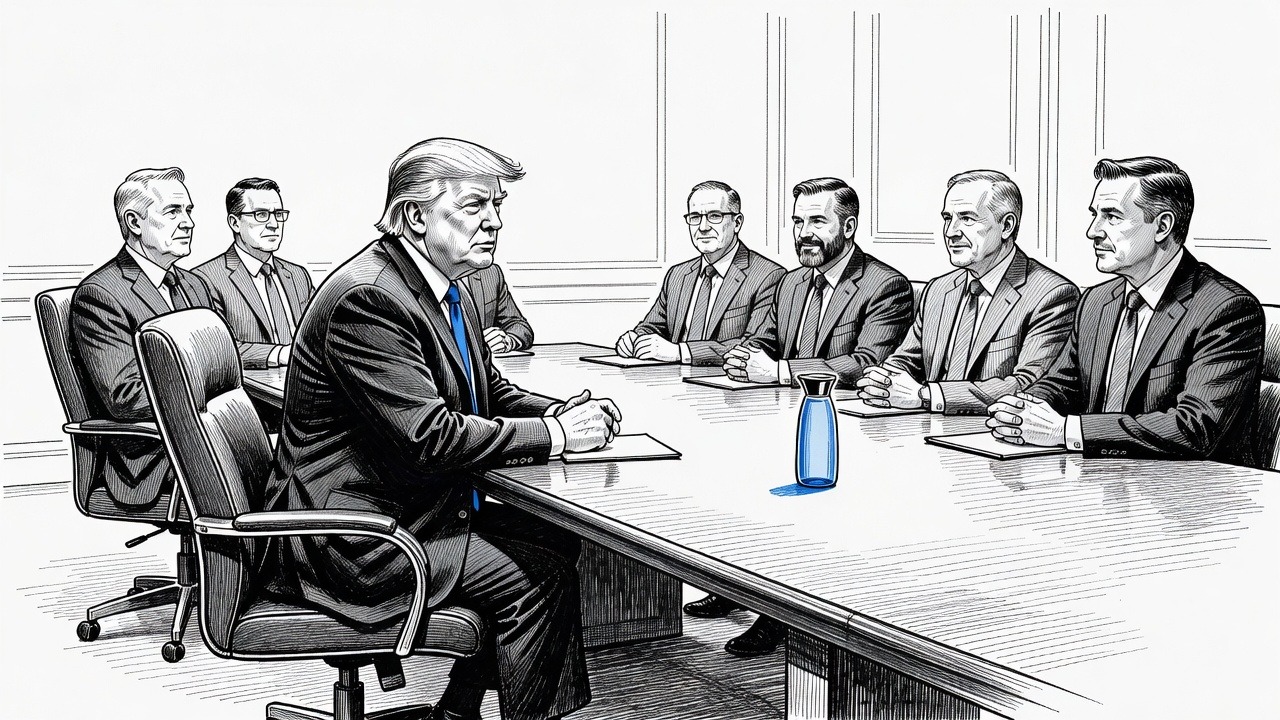
Then there is the political overlay, and here the contrast in restraint is instructive. Netanyahu's position — that it's too early to determine Iranian involvement — is the correct institutional posture before an investigation involving three separate governments has even started producing findings. Trump's claim that the co-pilot 'may have had links to Iran,' offered without supporting detail, is the opposite: a conclusion floated ahead of evidence, in a region where that specific accusation carries enormous weight and consequence. Saying something might be true is not analysis, it's a headline generator. If there are links to Iran, let the investigators — Saudi, Emirati, Israeli, presumably Indian consular involvement too — establish that through evidence, not through a head-of-state hunch delivered without specifics. A multi-country interrogation of a single suspect is already a complicated chain of custody for facts; premature public attribution from world leaders doesn't speed that process up, it just raises the political stakes before anyone actually knows what happened.
The pragmatic takeaway is narrow but real: the aircraft is on the ground because untrained civilians reacted well under extreme pressure, not because any institutional safeguard functioned as designed. That is worth fixing, and it is a more useful question right now than who to blame.
How it may affect me
In the near term, nothing changes for most travelers — this remains a single, serious incident under investigation, not evidence of a systemic airline failure. But if the co-pilot's intent and motive are confirmed as described, expect downstream effects on how airlines and regulators handle crew vetting: possible tightening of psychological screening for pilots, renewed enforcement or review of 'two persons in the cockpit at all times' rules, and additional scrutiny from aviation authorities in the Gulf and Israel specifically. That could mean marginally longer hiring and background-check processes for pilots industry-wide, which is a cost worth absorbing if it closes a genuine insider-threat gap.
For passengers, the immediate practical effect is likely heightened security questioning and possibly enhanced screening on routes connecting the Gulf and Israel while the multi-country investigation proceeds — expect friction, not necessarily danger. The bigger uncertainty is political: if an Iran connection is eventually substantiated by actual evidence rather than speculation, this could feed into broader regional tension dynamics well beyond aviation. If it isn't substantiated, premature claims linking the attack to Iran risk hardening public assumptions that outlast the facts, which is its own form of damage — harder to measure, but real. Readers should treat attribution claims from officials as provisional until investigators from the involved countries release findings, not take political statements as confirmed fact.