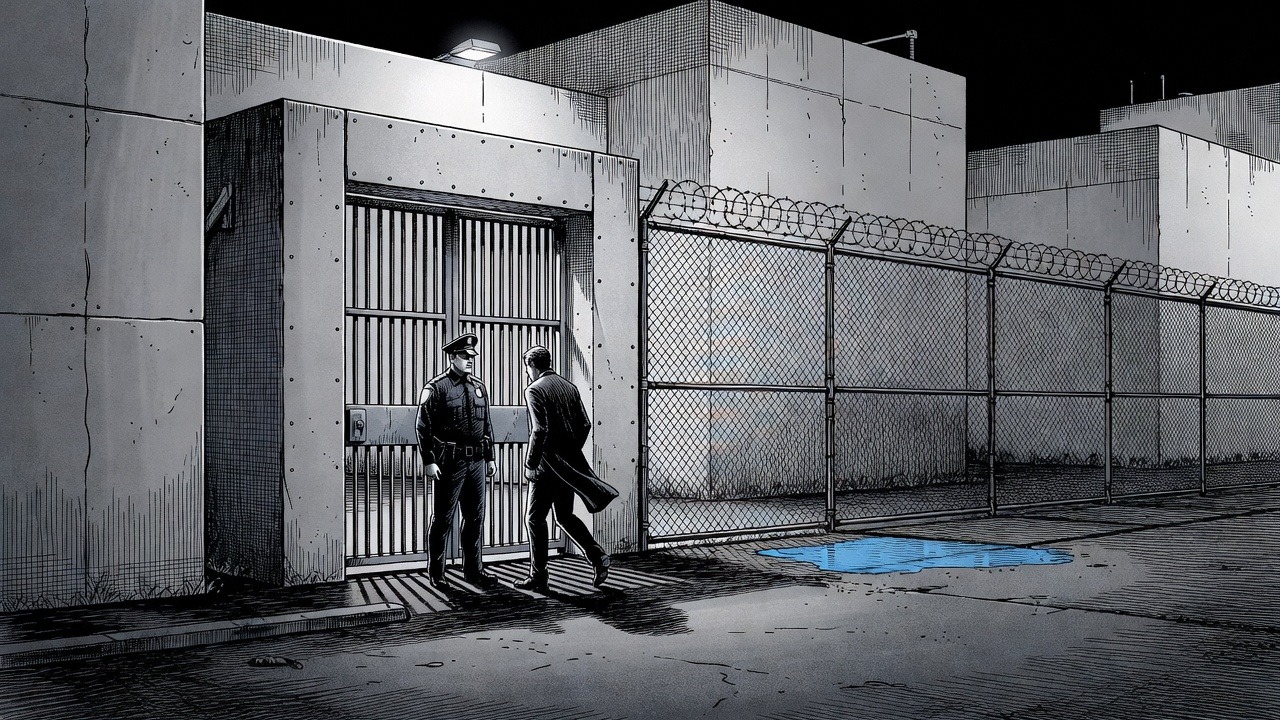
Strip away the politics of capital punishment for a moment and look at what actually happened here: the state of Tennessee attempted to carry out the single most irreversible action a government can take, and by the defense's account the process broke down on multiple fronts — vein access, drug condition, emergency medical readiness — to the point that witnesses reported audible breathing an hour after lethal drugs were administered and the inmate had to be taken to a hospital. That is not a footnote. An execution protocol exists precisely because the margin for error in state-sanctioned killing is supposed to be zero. If the mechanics failed this visibly, the competence question isn't optional, it's the whole story, and Governor Lee was right to order a genuine third-party review and halt the next scheduled execution rather than treat this as an unfortunate but isolated glitch. That's the institutionally sound response, and it deserves credit precisely because it's the harder, slower path rather than the politically expedient one of pressing ahead.
The judicial sequence here is its own problem, separate from the procedural failure. A federal appeals court wanted time to examine whether Pike's documented childhood sexual abuse had been properly weighed at sentencing — a substantive, serious claim about the fairness of the original proceeding. The Supreme Court's 6-3 decision didn't resolve that claim; it vacated the stay specifically so the state could execute before the warrant expired at midnight. Whatever one thinks about the underlying sentencing issue, deciding the most severe and permanently irreversible punishment available to government based on which side of a midnight deadline a court ruling falls is not careful governance. It's letting an administrative clock, not the merits, dictate the outcome. A system that cannot spare a few more days to evaluate whether a death sentence properly accounted for mitigating evidence has a structural problem that outlasts this one case.
A caveat worth stating plainly: the specific causes — bad veins, degraded drugs, inadequate staffing — come from Pike's attorneys, not from the Department of Correction, which has not confirmed her condition. That gap matters. The review Lee ordered needs to actually determine whether this was a drug-quality failure, a training failure, or a protocol failure, and the findings need to be made public in a form the state's residents can actually evaluate. An investigation that quietly resolves itself without disclosure will do more damage to public trust than the botched procedure itself.
How it may affect me
For Tennessee residents, the immediate practical effect is that the state's one remaining scheduled execution for the year will not go forward while the review is conducted — a direct, if narrow, pause with real consequences for the people and families involved in that case. Beyond that, expect ripple effects into how other pending death penalty cases are litigated: defense attorneys elsewhere are likely to point to this incident when arguing about drug sourcing, staff competence, and the adequacy of time courts are given to weigh mitigating evidence like childhood trauma, which could slow other proceedings nationally, not just in Tennessee. If the third-party review finds failures in protocol or drug handling, the state could face pressure to revise its lethal injection procedures, which may mean further delays to any future execution dates while new safeguards are implemented. There's also a public trust dimension: how transparently the state handles and discloses this review will shape confidence in the reliability of its criminal justice processes more broadly, independent of where any individual stands on capital punishment itself. None of this changes daily life directly for most people, but for the handful of inmates on death row and the officials responsible for carrying out court orders, the operating assumptions about how executions are scheduled, reviewed, and carried out may look different going forward.