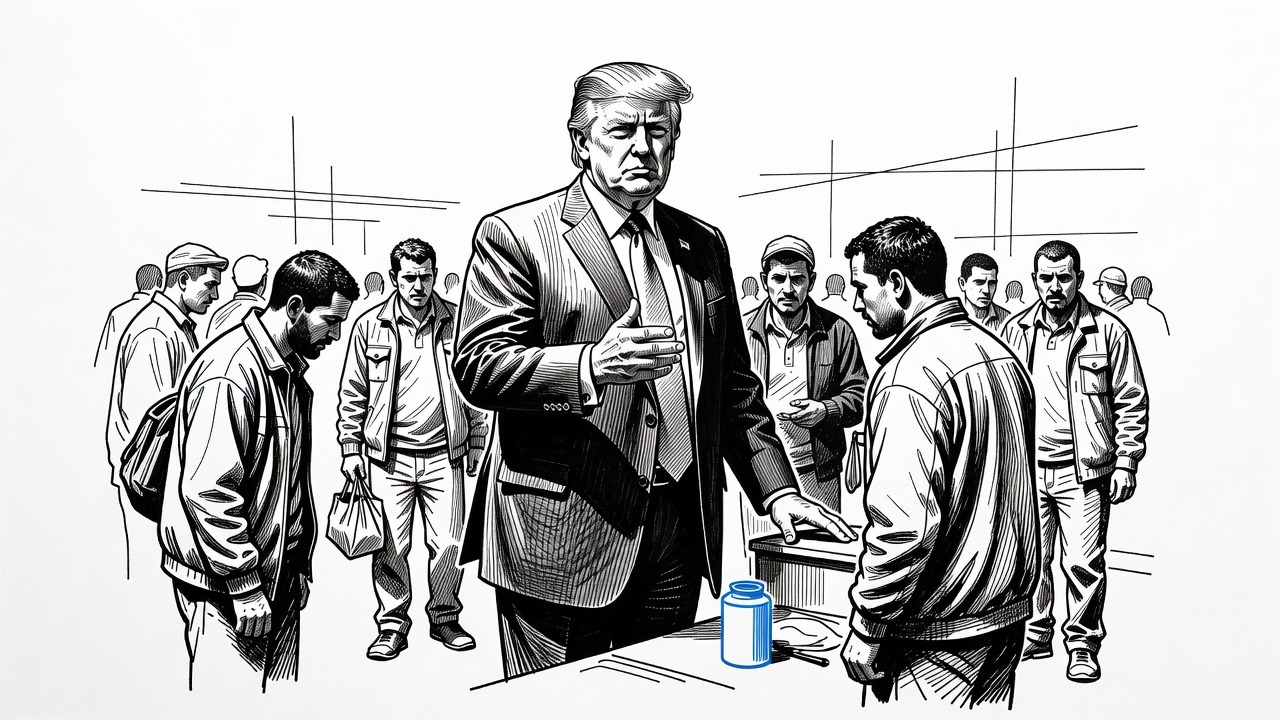
A mid-air stabbing inside an airliner cockpit is an absolute nightmare scenario, and it is thanks entirely to the swift, selfless courage of the flight crew and passengers that Flight 1073 did not end in mass tragedy. When disaster struck at altitude, ordinary people and frontline workers acted collectively to protect one another, subduing an attacker and pulling the aircraft out of a terrifying descent. But once the immediate relief settles, this incident demands hard, unsparing scrutiny of aviation security systems. Post-9/11 aviation standards were supposed to make cockpit intrusions virtually impossible. That an assailant managed to breach the flight deck and severely injure a working pilot raises urgent questions about screening lapses at the airport of origin, cockpit access protocols, and whether airlines and aviation authorities are doing enough to safeguard the workers operating these flights. Captain Smit Machchhar and his crew faced horrific danger in what should be a secure workplace. While politicians inevitably rush to the tarmac for photo opportunities after the fact, the real responsibility of public institutions is systemic: uncovering exactly where the security apparatus failed and ensuring frontline crews and travelers are never left this vulnerable in the sky again.
How it may affect me
Passengers and airline crews across the region could face immediate shifts in travel conditions following this incident. Commercial travelers may experience tightened pre-board screening procedures, longer security delays, and stricter in-flight movement policies, particularly on routes connecting the Gulf and Israel. For aviation workers—pilots and cabin crew alike—the attack is a sobering reminder of the physical risks they face on the job, which may spark calls from labor and safety advocates for reinforced cockpit access measures and enhanced security oversight at international departure hubs.