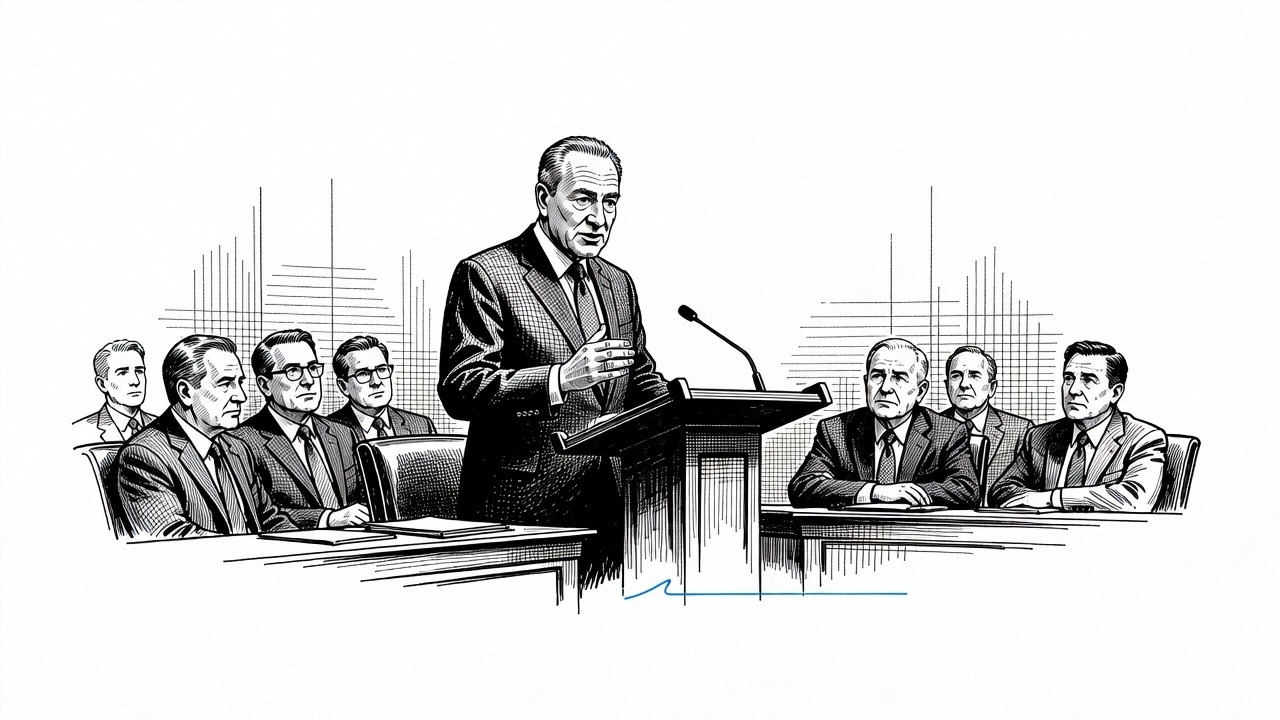
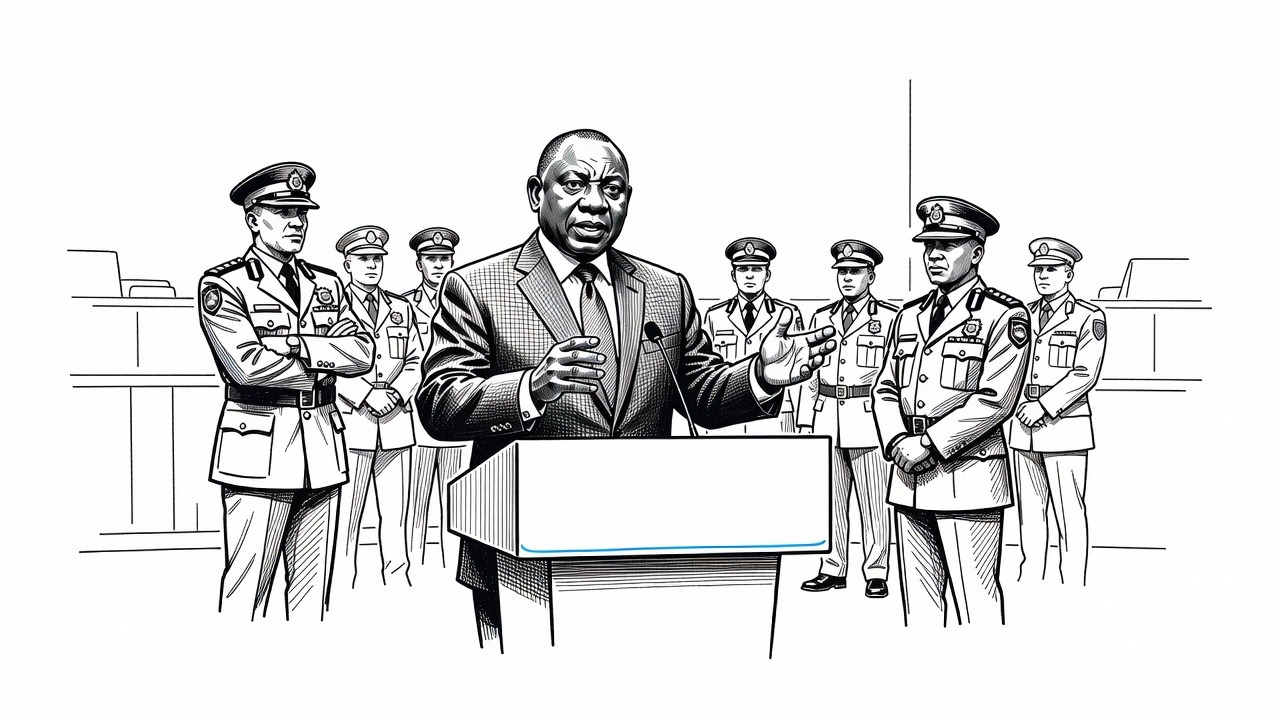
A bill that cleared the House 417-3 should not die in the Senate because it was not coercive enough. That is what happened to the Ratepayer Protection Act. Senate Democrats blocked the Republican-led measure on a 57-43 vote. The point of the bill was elementary: have state regulators consider standards meant to put the electricity-infrastructure costs of data centers — including facilities supporting artificial intelligence — on the companies creating the demand, rather than on ordinary consumers.
That is not an attack on markets. It is a defense of them. Households often cannot shop for another utility. If the load from a data center is allowed to show up on their bills, the result is not entrepreneurship. It is a transfer from captive ratepayers to some of the best-capitalized firms in the country. Cost causation is an old market rule: the party that imposes the cost should bear it. Conservatives ought to be the first to insist on that, and the first to refuse the idea that politically sheltered server farms get the upgrades while families get the invoice.
Chuck Schumer's objection was that the measure relied on voluntary guidelines and lacked enforceable protections. Andy Kim said it would not require substantive change. Then amend it. The serious response to a standard you consider too soft is a tighter one, not a decision to advance nothing. What Democratic leadership did instead was stop a House product that had passed with near-unanimity, even as four Democrats — Maggie Hassan, Amy Klobuchar, Jon Ossoff and Raphael Warnock — voted with Republicans. That split is hard to square with the claim that this was a settled consumer-protection principle. It looks more like a choice to deny a path forward rather than accept a bill that worked through state regulators instead of a new federal enforcement regime.
John Thune called the proposal a meaningful affordability measure. Jon Husted said lawmakers had a chance to answer concerns about energy prices. The choice in front of the Senate was a modest, state-level prompt to assign costs to the cost-causers, or the status quo. Leadership on the Democratic side chose the status quo and described the alternative as too weak to deserve advancement. If voluntary guidelines truly change nothing, blocking them protects no one. It only preserves the arrangement the bill was written to challenge.
In Ohio, where data-center development is already an issue in Husted's race against Sherrod Brown, that choice will not stay abstract. A 417-3 House vote showed a broad political consensus was available. A blocked Senate vote showed consensus was not the point.
How it may affect me
If you pay an electric bill, this vote does not lower it, and it does not write a new federal rule reassigning anyone's costs. The immediate consequence is stasis. Nothing now directs state regulators to consider standards that would place data-center energy-infrastructure costs on the companies rather than on consumers. Whatever cost-sharing your state already uses remains in place.
Further out, the effects are possible, not guaranteed. Data-center and AI-related demand is why this bill existed. Where that buildout continues and regulators are not prompted to apply a company-pays standard, households may keep absorbing grid costs they did not cause, or may never see the separation between industrial load and residential rates the bill was meant to encourage. That is a risk, not a scheduled rate hike. Nothing in this vote tells a household what next month's bill will be, and it would be dishonest to pretend otherwise.
There is also an incentive worth watching. Firms that can expand power demand without carrying the infrastructure cost have little reason to economize on the shared grid. A standard aimed at those companies would have changed that payoff. Its absence leaves the payoff intact, which can mean more pressure later on the same system ordinary customers depend on, and more argument about who subsidized whom.
Schumer's caveat belongs in the same picture. If voluntary guidelines would not have forced substantive change, then this blockage did not snatch a sure savings out of your mailbox. It denied a weaker instrument. Thune and Husted argue it was still a meaningful affordability step. Readers in states courting data centers — Ohio in particular, where the issue is already live in the Husted-Brown race — are the ones who will find out which reading was closer. Expect the fight to move to state utility proceedings and to campaigns, not to a settled federal protection. Until someone with authority assigns the cost, the practical question for a household is the one the Senate declined to answer: when the servers go in, whose name is on the upgrade.