Twenty-seven dead in a single weekend, in two unconnected townships, is not a statistical blip — it's a signal about state capacity. What stands out here isn't just the death toll, it's the profile of the Johannesburg attack: eight gunmen, assault rifles, coordinated fire on patrons outside and then inside the venue. That is not chaotic, opportunistic violence. That is organized, and organized violence at that scale is precisely the kind of threat ordinary policing is built to deter and investigative work is built to unravel. The fact that no suspects have been arrested in either shooting, days after the fact, is the more damning data point in this story — more damning, frankly, than the body count alone, because it tells you something about whether the state can actually respond once violence of this kind occurs, not just whether it can occur.
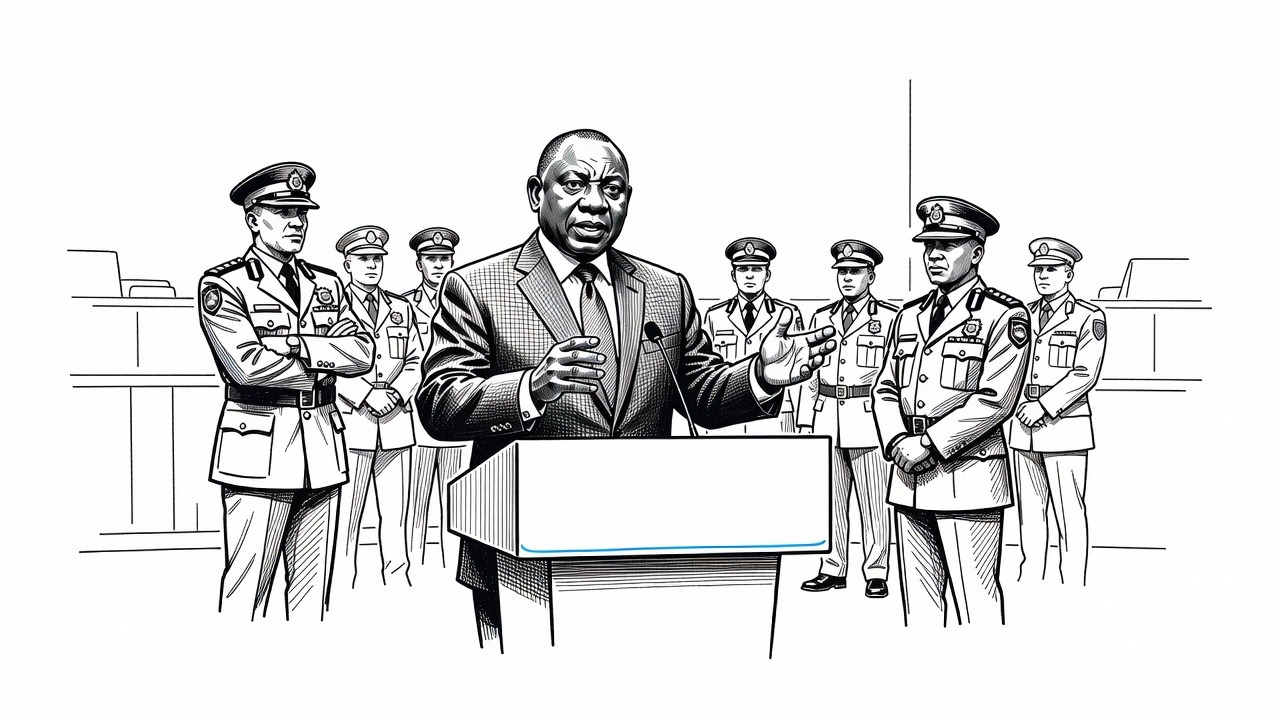
Ramaphosa's decision to deploy soldiers to high-crime areas around Johannesburg back in March deserves scrutiny in light of this. That deployment was, implicitly, an admission that conventional policing wasn't holding the line in these areas. Fair enough — sometimes a visible security surge is a defensible short-term measure. But a mass-casualty, assault-rifle attack happening in the same metro months later is a rough test of whether that surge actually changed anything, and on the evidence available, it didn't stop this. Soldiers on patrol are a show of presence; they are not a substitute for the unglamorous work that actually reduces this kind of violence — firearms trafficking interdiction, informant networks, ballistics analysis, witness protection robust enough that people will actually testify against armed men who just proved they're willing to spray a bar full of people. If the state's answer to gang and gun violence is troop visibility rather than investigative capacity, this is what you get: a photogenic deterrent and an unsolved massacre.
Motive unknown, no arrests, two attacks in two cities in under twelve hours — that combination should worry anyone thinking pragmatically about institutional trust. Communities that watch armed groups execute coordinated attacks and walk away clean don't conclude that the state is merely stretched; they conclude that violence carries no real cost. That perception, once it takes hold, is corrosive and self-reinforcing — it emboldens the next group of gunmen and it discourages the next witness from coming forward. The test now isn't another troop deployment announcement. It's whether South African police can actually make an arrest, build a case, and get a conviction — because until that happens, the deterrent effect of law enforcement in these areas is close to theoretical.
How it may affect me
For residents of these townships, the immediate effect is straightforward and grim: heightened fear around nightlife venues, bars, and public gatherings, and an understandable reluctance to be out in places that were just proven to be vulnerable to organized, heavily armed attackers. In the near term, expect increased police and possibly further military presence in the affected areas — but based on the March deployment's apparent failure to prevent this attack, that presence alone offers uncertain protection. Whether it actually reduces risk will depend on whether it's paired with real investigative follow-through, not just visible patrols.
Over the medium term, unresolved cases with no arrests risk normalizing impunity — which could make future attacks, whether from the same groups or copycats, more likely rather than less, since armed actors have no reason to believe consequences are coming. For local businesses, especially bars and social venues, there's a plausible economic knock-on: reduced footfall, closures, and lost income in communities that can least absorb it. And for the broader public conversation in South Africa, this will likely intensify pressure on Ramaphosa's government to show that security spending — military or police — is producing measurable results like arrests and convictions, not just deployments. Whether that pressure translates into better outcomes, or just more announcements, remains to be seen.