
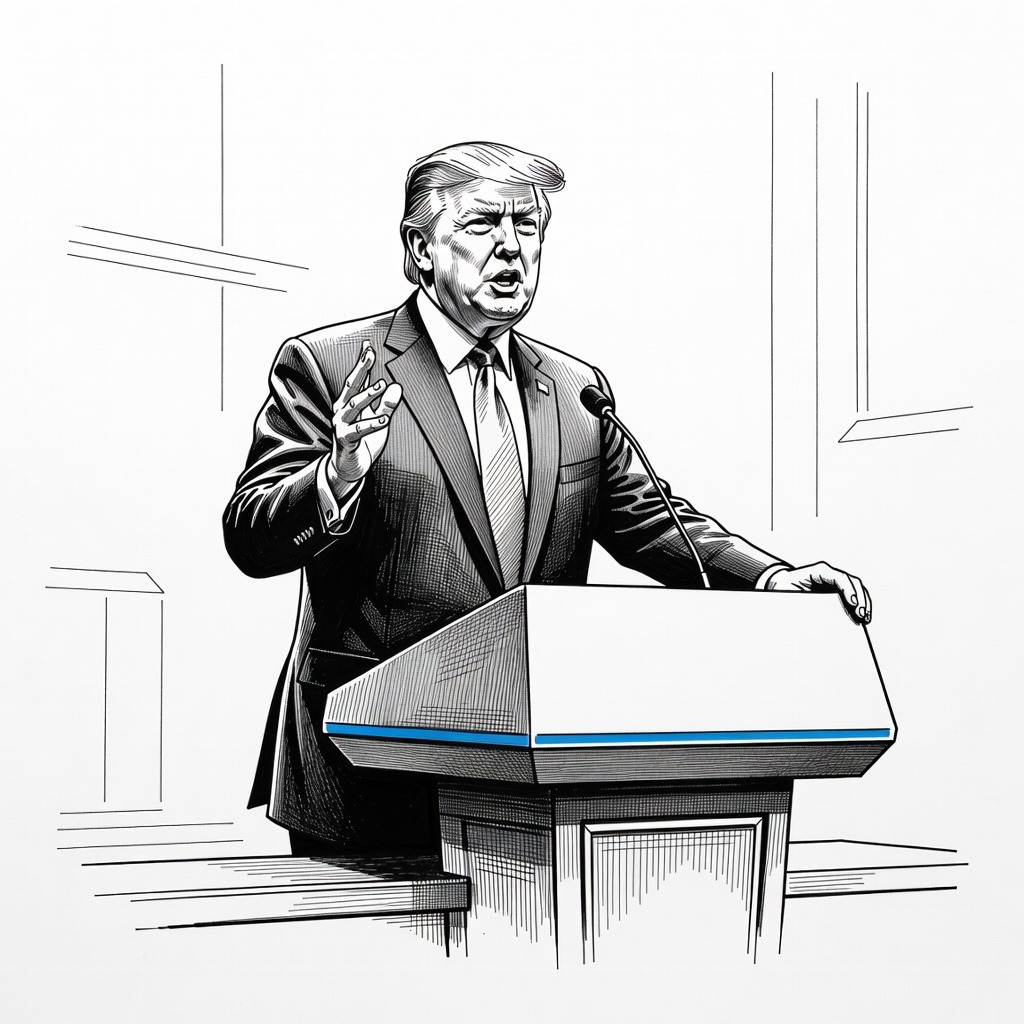
• Enforcing Proactive Safety Guardrails Technological governance requires anticipatory safeguards to protect the public from irreversible harm. Dismissing catastrophic safety warnings as a hoax overlooks critical concerns raised by frontline industry leaders like Sam Altman and Dario Amodei, who advocate for moderated development. Relying solely on retrospective civil and criminal laws fails to address the unique, fast-moving risks inherent in autonomous artificial intelligence systems.
• Challenging Unchecked Corporate Expansion Economic progress must not come at the expense of regulatory accountability and public protection. An unregulated race to expand artificial intelligence risks privatizing massive financial gains while socializing the systemic disruption to labor and society. Proactively establishing legal authorities and binding standards ensures that major technological transitions serve broad public welfare rather than unchecked corporate priorities.
• Resisting the Reckless Acceleration Gamble Framing international competition exclusively as a sprint against China creates a dangerous incentive to bypass essential safety checks. Lowering domestic standards to achieve rapid deployment risks triggering unforeseen domestic crises and systemic vulnerabilities. Long-term institutional stability depends on deliberate, transparent rule-making rather than vaguely defined bodies like an "AI Force" operating without clear operational duties.
How it may affect me
As a U.S. reader:
• In the long term, you may see major economic expansion and transformation, with artificial intelligence projected to potentially account for up to 25 percent of national gross domestic product.
• You could encounter disruptions to the workforce and broader society as technological development accelerates without proactive federal safety guardrails.
• If you suffer harms from artificial intelligence systems, your legal protections and recourse will depend on existing civil and criminal laws rather than new sector-specific regulations.
• You may observe national technological initiatives guided by newly proposed federal entities, such as an AI czar and an AI Force, though their specific operational duties and legal authorities remain undefined.