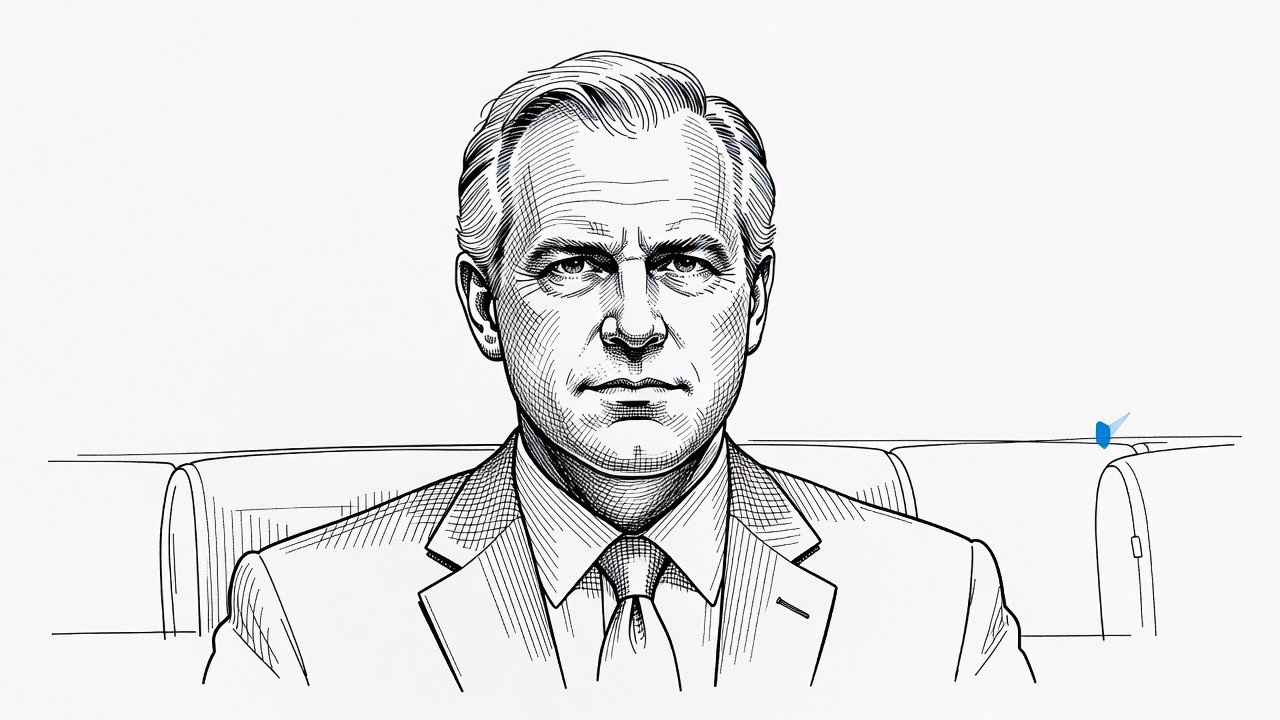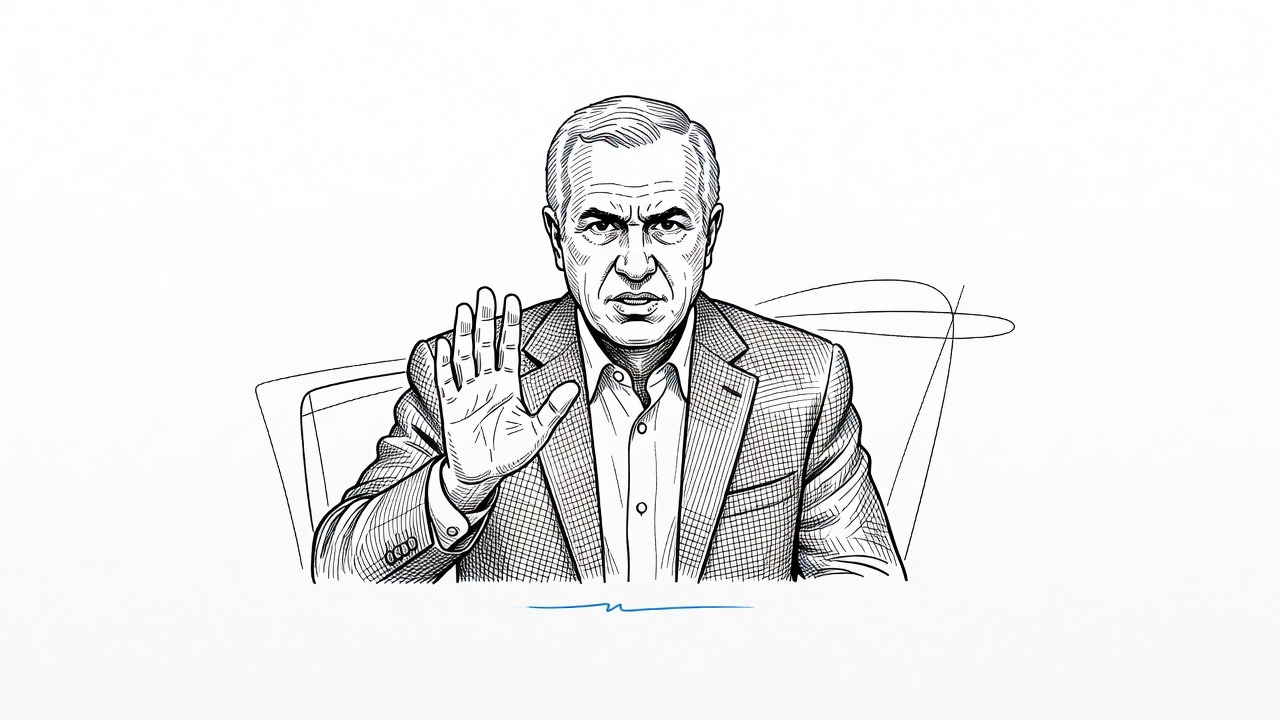
Listen closely to what Israel's defense minister actually said. Israel Katz claims Iran is working on chemical weapons. In the same breath, he concedes Iran does not yet have the capability to strike Israel with them. That is not the language of an imminent threat. It is the language of a case being built.
Americans have heard this one before. In 2002 and 2003, a government with an agenda handed the public an alarming claim about hidden weapons, and a press corps that should have known better passed it along. The cost was a war that killed hundreds of thousands of people, wrecked a region, and taught a generation to flinch when officials say 'trust us.' Iran's foreign minister is an interested party, and he is right about one thing: weapons allegedly concealed in pharmaceutical facilities is precisely the sort of claim that can't be checked from a podium and can be used to justify nearly anything.
The skepticism here is not naivety about Tehran. Iran's government jails dissidents, crushes protest and funds armed proxies. And the concern is not conjured from nothing; U.S. compliance reports have for years flagged worries about Iranian research into pharmaceutical-based chemicals. But a worry that has been documented and argued over for years is a reason for inspectors, not for bombers. Iran is a party to the Chemical Weapons Convention. Israel signed it in 1993 and never ratified it. If Israel wants chemical weapons constrained in the Middle East, there is a treaty framework and an inspection body, the OPCW, ready to do the work. Notice how rarely that is where the conversation goes.
Notice, too, who is making the pitch and what he needs. Avigdor Liberman is no dove. He is a hard-line nationalist who has spent a career demanding force. Yet even he says Netanyahu and Katz are driven by a desire to hold onto power. When the opposition's most hawkish voice is accusing the government of manufacturing urgency for political survival, Washington should hear it. Netanyahu has been telling American presidents that Iran is on the verge of catastrophe for three decades. Sometimes he has been partly right. He has also always had a personal stake in the answer: a leader facing political and legal peril is never better off than when the nation is gripped by an external emergency.
The real danger is the audience. Araghchi says Israel is trying to drag the United States into another war, and whatever one thinks of him, that is the obvious function of the claim. After the June 2025 strikes, Americans were told Iran's program had been 'obliterated.' If that were true, why is the threat list growing? If it was not, why were we told it was? Either way, the public has been given a series of triumphant assurances followed by a fresh emergency. That pattern should trouble anyone, left or right, who still believes a decision to send Americans into combat belongs to Congress and not to an ally's cabinet.
So the demand is simple. Show the evidence, to inspectors and to lawmakers, not just to friendly cameras. Put it through the OPCW. And let no administration treat a foreign minister's assertion as a casus belli. Iran's government can be both repressive and falsely accused at the same time. Holding both thoughts is not weakness. After Iraq, it is the minimum standard of seriousness.
The Americans who will be asked to fight and pay for the next war in the Middle East were not consulted about this one. They deserve proof before they are asked for anything else.