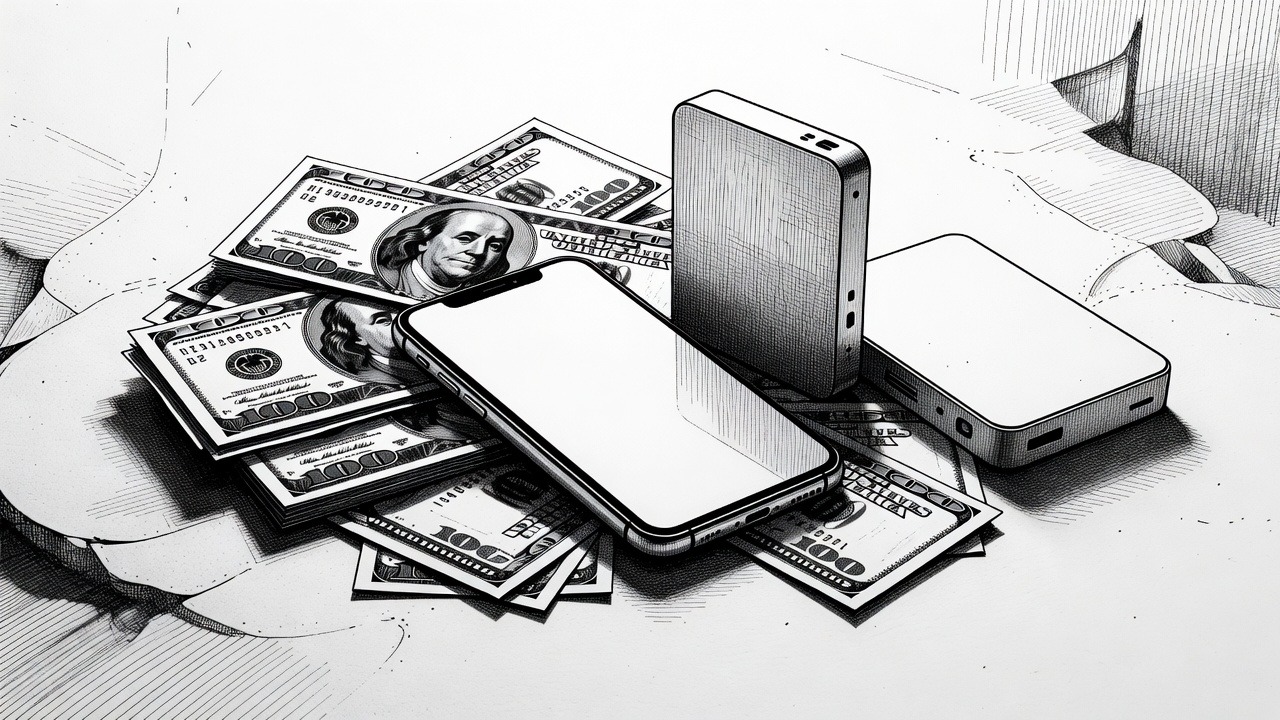
Let's start with what shouldn't be controversial. Sergeant Jian Zhao pleaded guilty. He photographed restricted documents with his phone and passed along military information to buyers tied to China. Agents found $30,000 in cash and Army hard drives at his home. This is not a witch hunt. A soldier sold out the people he served beside, and he should be punished.
The Left has a particular reason to say so plainly, and a particular reason to say what comes next. In recent years, the national-security state has treated Chinese Americans as suspects first and citizens second. The Justice Department's China Initiative gave us scientists like Anming Hu, whose case collapsed in acquittal after it wrecked his career. Those cases rested on ethnic suspicion, not evidence. Zhao's case is the opposite. It rests on a guilty plea, a co-conspirator's guilty plea, physical evidence and an alleged payment. The lesson is that espionage is a crime of conduct, not ancestry. Any politician who uses this case to cast doubt on Asian American service members is lying about what it shows.
The lesson for those of us who want the law applied equally is harder, and it is aimed upward.
Zhao faces up to ten years. Jack Teixeira, the Air National Guardsman who leaked secrets to a Discord channel, got fifteen. Chelsea Manning and Reality Winner did serious time for disclosures far less lucrative to a rival power. Nobody serious thinks these sentences were gifts. The message to the enlisted ranks is clear: handle secrets carelessly or corruptly and the state will crush you.
Now look at the people who set the rules. Donald Teixeira's superiors never had to explain themselves to a grand jury, but Donald Trump, who kept boxes of classified documents at Mar-a-Lago and was indicted for it, saw the case dismissed once he won the presidency. In March 2025, the same month Zhao was arrested, Defense Secretary Pete Hegseth put real-time Yemen strike details into a Signal group chat that included a journalist. Republicans who had spent a decade chanting "lock her up" over emails discovered, in an instant, that context matters. No one faced prosecution. A sergeant with a phone camera gets a federal felony. A cabinet secretary with a phone gets a shrug.
That double standard is not just unfair. It corrodes the thing it claims to protect. Classification works only if the people holding secrets believe the rules are real, that a private and a general are bound by the same ones. Every time the powerful skate, the system teaches a quiet lesson to everyone beneath them: the rules are for suckers. Most soldiers will ignore that lesson. A few won't, especially when a buyer shows up with cash.
That is the other thing the Left should say without flinching. Counterintelligence is a labor issue, too. This is not an excuse for Zhao, who made his own choice. But the military runs on a junior enlisted workforce with access to sensitive material, stretched budgets and uneven pay, and foreign intelligence services know it. Spy agencies shop where the price is low. Treating insider threats as a question of individual villains, and never as a question of how institutions pay, vet and watch the people they trust, is a way of avoiding the harder work.
So here is the standard. Prosecute the sergeant. Do it without a whiff of racial suspicion. And then demand that the same law, with the same seriousness, reaches the officials who treat national security like a group text. If a country will only enforce its secrecy rules downward, it doesn't have a security policy. It has a class system with a classification stamp.