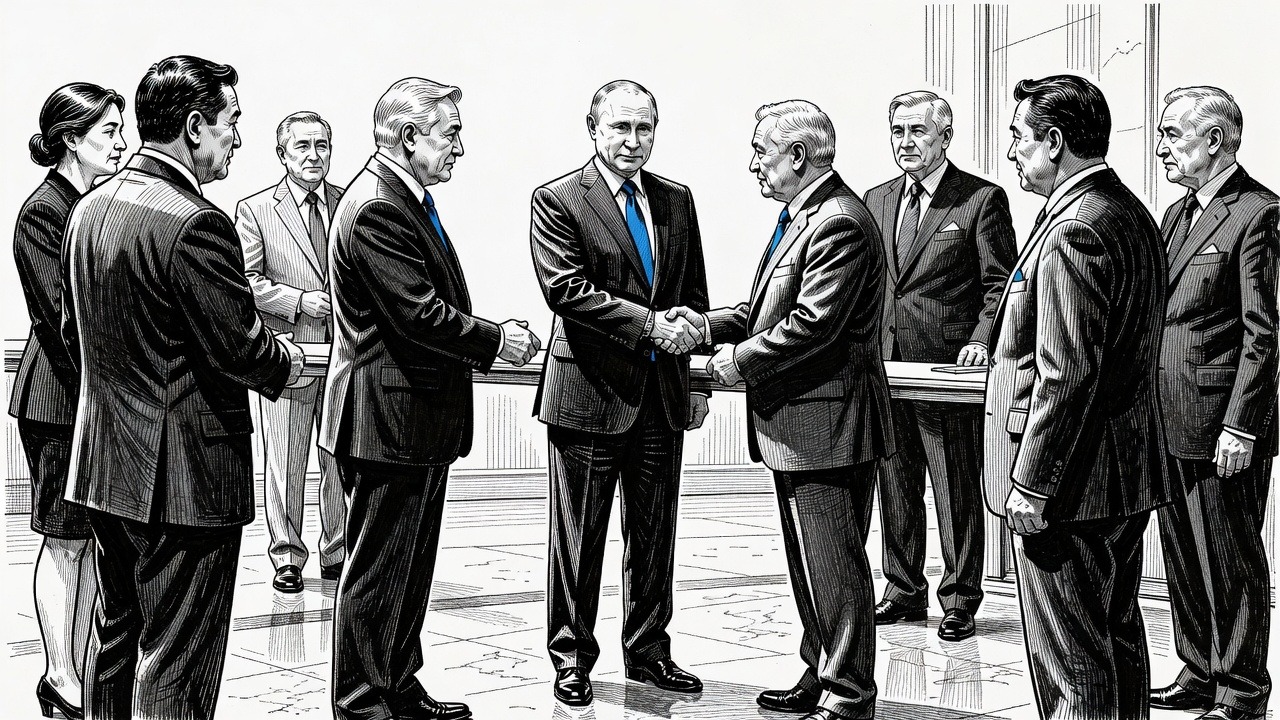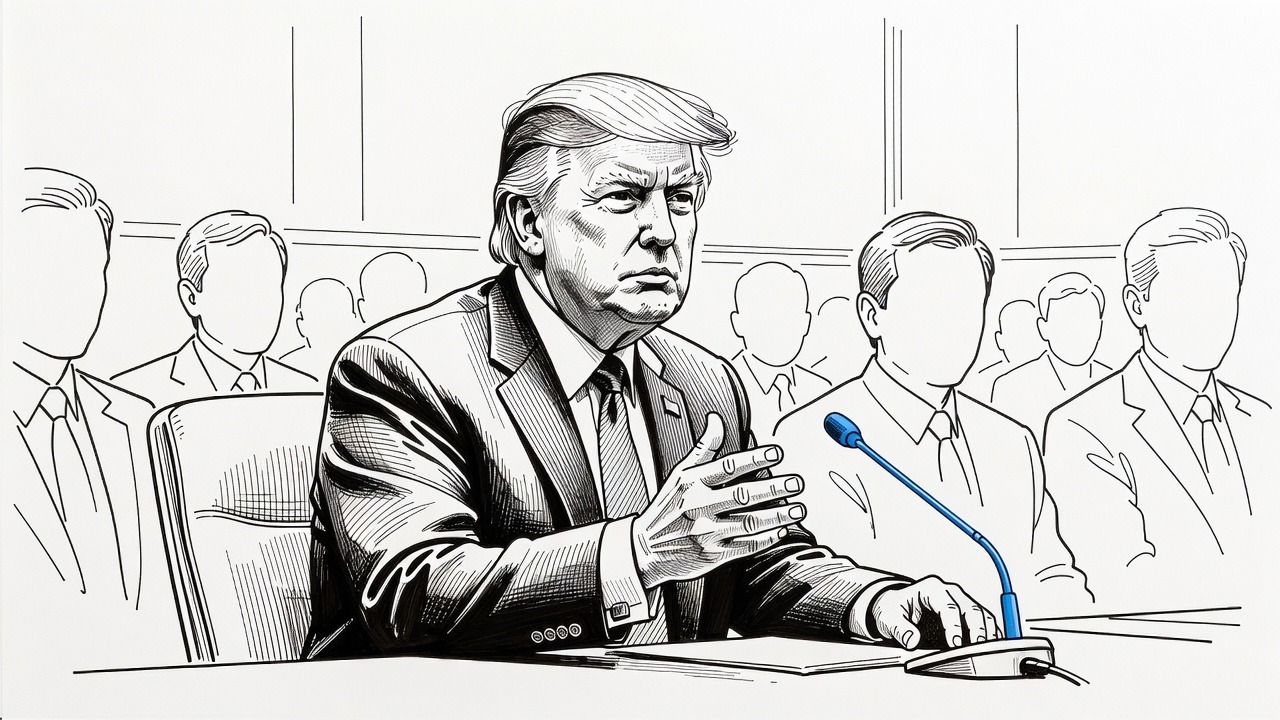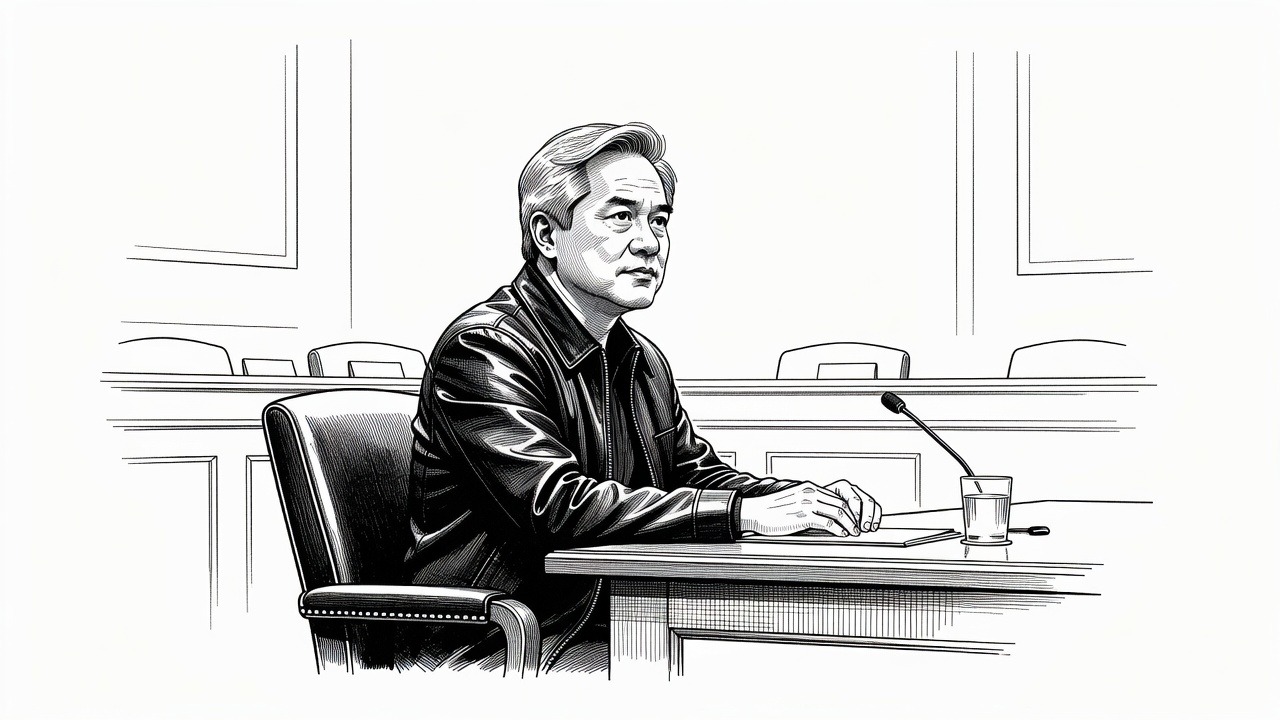
Within days, Donald Trump managed to do two things that should never happen in the same presidency, let alone the same news cycle. He pronounced a verdict on an open national security matter, and he explained a CEO's China ties by pointing to the man's ancestry.
Take the verdict first. Trump says an inquiry found Jensen Huang showed poor judgment but broke no law. Yet the Justice and Commerce departments are still investigating Megaspeed, the Singapore-based Nvidia customer suspected of export violations involving semiconductor products. House committee chairs say neither Huang's reinstatement nor the board's internal review answers what he knew about Megaspeed executive Alice Huang. Nvidia's own directors reviewed Nvidia's own chief executive, and the president blessed the result. That is not accountability. It is a company grading its own homework with the White House holding the pen.
The pattern matters more than the single case. Export controls are supposed to be the one area where commerce yields to security. The chips at issue are the engines of modern military and surveillance capability, and the rules exist precisely because the profit motive pushes the other way. But this administration has turned those rules into a bargaining chip. Recall that it let Nvidia resume some China sales in exchange for the government taking a cut of the revenue. When a restriction is something a president can trade for a percentage, and a CEO's standing depends on the president's mood, the law has become a negotiation. Companies with the best access get the best terms. Everyone else gets the rulebook.
Then there is the remark about Huang's Asian ancestry. It is ugly, and it is also lazy. Huang runs a company with enormous business in China, and Chinese demand for his products is a matter of public record. Whether he traveled there tells us nothing about what he knew of any customer's diversions. Trump reached for ethnicity because it is easier than the facts. The Left has a long, painful memory here. The China Initiative dragged in scientists like Anming Hu, whose case collapsed, and chilled countless Asian American researchers on the theory that heritage is a risk factor. Anyone who objected to that has to object now, even when the person being stereotyped is a billionaire who has lobbied against stricter chip limits.
That is the line the Left should hold, and it is two-sided. Nobody should be suspected because of where his family comes from. And nobody should be immune because he runs a $4 trillion company and has the president's ear. The only legitimate questions are about conduct. What did Nvidia's leadership know about Megaspeed? What compliance existed? What happened to the chips? Were the warning signs ignored because the sales were so good?
Democrats should say so plainly rather than retreating into the comfortable posture of attacking Trump's remark and leaving the substance alone. Nor should they leave the scrutiny to Republican chairs and let those chairs claim the national security mantle. Huang is scheduled for interviews before three House panels on December 1 and a public Senate Banking hearing on December 3. Those sessions should not be a ceremony for a returning executive. Members should come with documents and ask about the customer, the paperwork, the timeline, and who internally raised concerns.
The cost of getting this wrong is not abstract. If advanced chips reach military end users through shell customers and transshipment hubs, the damage is done long before any hearing. If the lesson corporate America draws is that enough market capitalization and the right friends make an inquiry go away, the next compliance department will be built to reach the same conclusion.
Enforcement should be boring, evidence-driven and indifferent to who is in the room. Right now it is none of those things. The president has told us what he thinks Huang did, what he thinks explains Huang, and who deserves leniency. The investigators, and Congress, should act as if he hadn't.