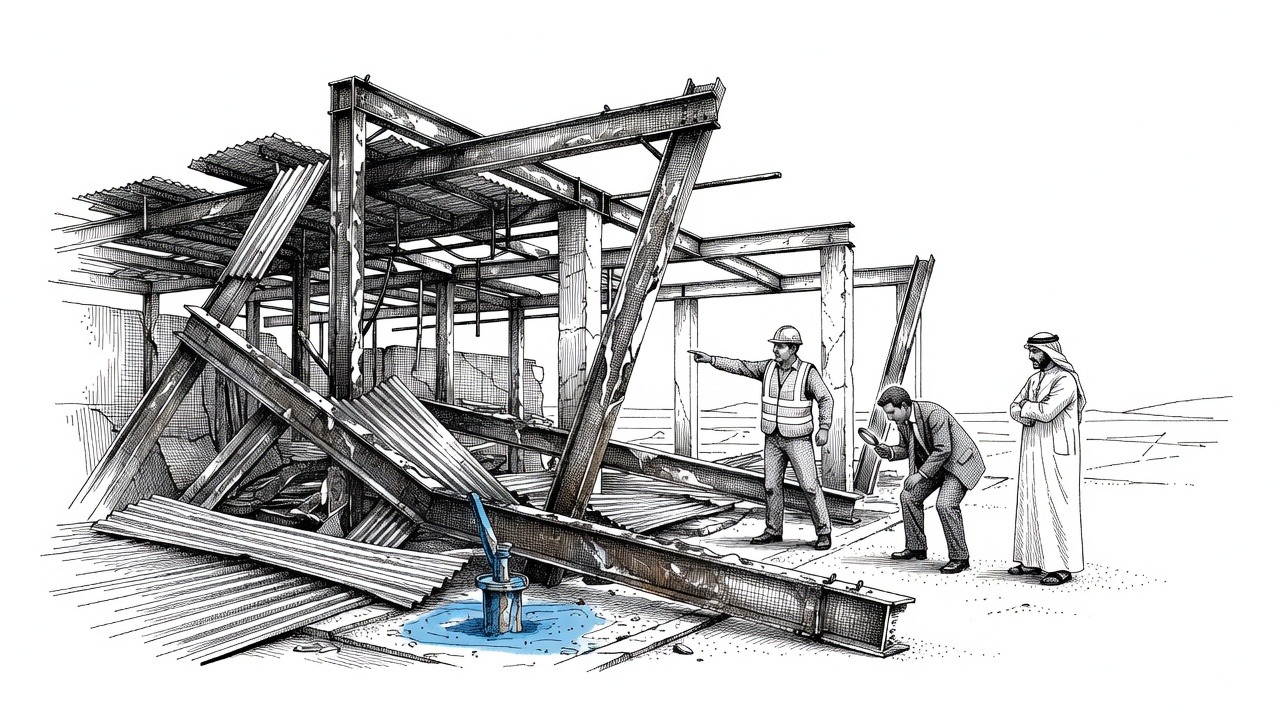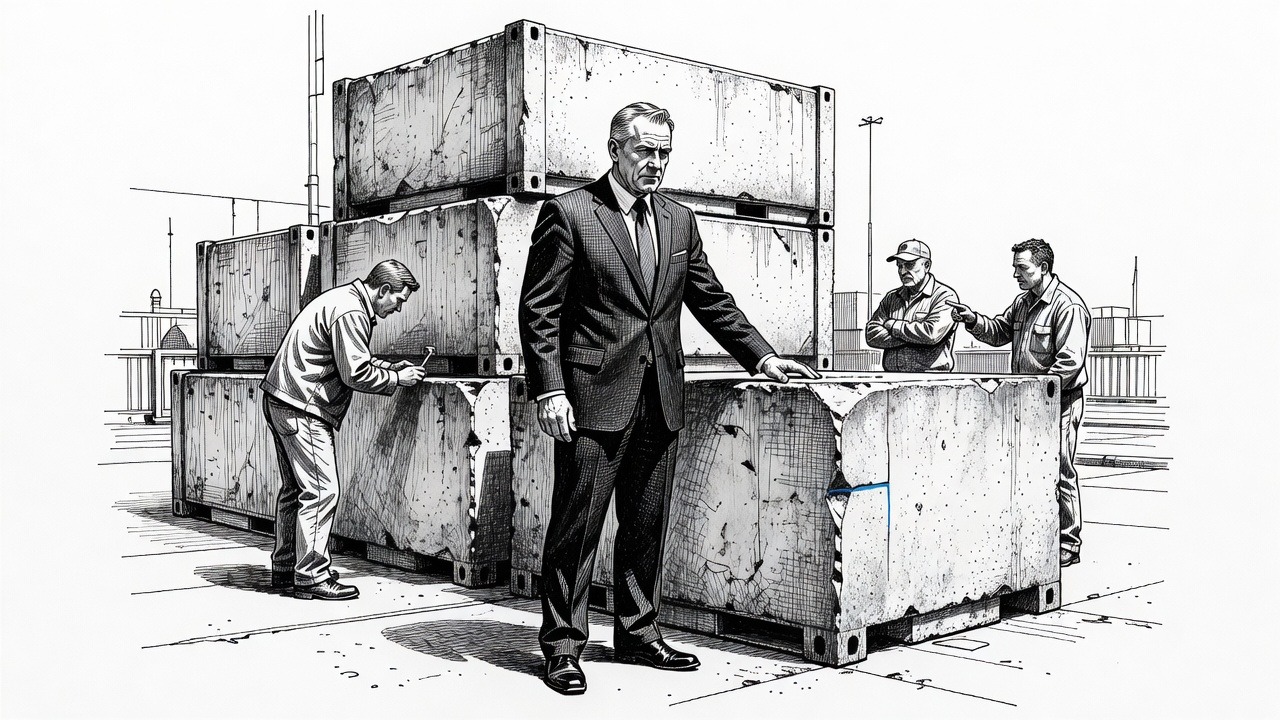
There is a phrase that should make any citizen nervous: "emergency exemption." It means the rules were fine until they became inconvenient. In Iowa, the rules were a court-suspended environmental permit, and the inconvenience is five tons of degraded lead azide the Army now says it must blow up in the open, with the neighbors told to stay indoors or leave.
Grant the Army its strongest argument, because it is not trivial. Lead azide is a primary explosive, and if it is truly unstable, getting colder and unsafe to move, then a controlled detonation under concrete and water spray may be less dangerous than waiting for it to go off on its own. A court shouldn't force a catastrophe to make a procedural point. If the choice tonight is a managed blast or an unmanaged one, I would not want to be the judge or the activist who prevented the first.
But notice what that argument conceals. The emergency was not an act of God. This material did not degrade by itself in a vacuum. It degraded in the custody of the U.S. Army, on a site that has been on the federal Superfund list for decades, while the people responsible had years to plan a safer exit. A government that lets a hazard ripen until the only remaining option is the one it prefers does not get to call the result an emergency. It is the product of a decision, only a slow one.
That is the pattern worth naming. Agencies rarely violate the rules by openly defying them. They run out the clock until the rules can be waved off in the name of urgency. The permit process exists precisely so that someone outside the Army asks whether chemical neutralization, or some other method, could do the job without sending lead particles over farm towns. Environmental groups say that question was never adequately answered. The court apparently found enough merit in their concern to suspend the permit. Now the Army has found a door marked "emergency" and walked through it, taking the judge's objection with it.
The people who live with the consequences also had the least say in how we got here. Middletown is a small Iowa community, the kind of place that rarely gets a seat at the table when the Pentagon decides what counts as an acceptable risk. Residents are asked to trust assurances: the containers are covered, the water will be sprayed, the lead will stay put. Maybe so. But lead does not come with a refund. There is no safe level of exposure for children, and the damage from it, to developing brains in particular, does not reverse. "Stay indoors" is not a safety plan. It is an admission that the blast may reach people.
And consider the double standard. When a private chemical company stores a hazard badly and then asks to skip the permit process, regulators and the press rightly pounce. Think of East Palestine, where the decision to burn off vinyl chloride was also defended as the least bad option and still left a community distrustful and sick. When the Army does it, we are expected to salute. Public institutions deserve scrutiny at least equal to private ones, because they hold more power and answer to the same citizens they endanger.
The Left should say this plainly, including to Democrats who spent years defending government competence and now should demand it. If this detonation is truly the safest path, then the Army owes Iowa more than a press release. It owes independent air, soil and water monitoring before and after, public release of the alternatives it rejected and why, and accountability for the years of inaction that made this "necessary." A genuine emergency should produce transparency, not less of it.
The test of a government's honesty is what it does when no one can stop it. Tonight, in Iowa, no one can.
How it may affect me
If you live near Middletown or elsewhere in Des Moines County, follow local shelter-in-place or evacuation instructions: keep windows closed and shut off outside-air ventilation. Afterward, avoid disturbing soil and dust near the plant, wash garden produce, and keep children and pregnant women away from fallout areas. Ask county health officials about blood-lead testing and for public post-blast soil and air results.