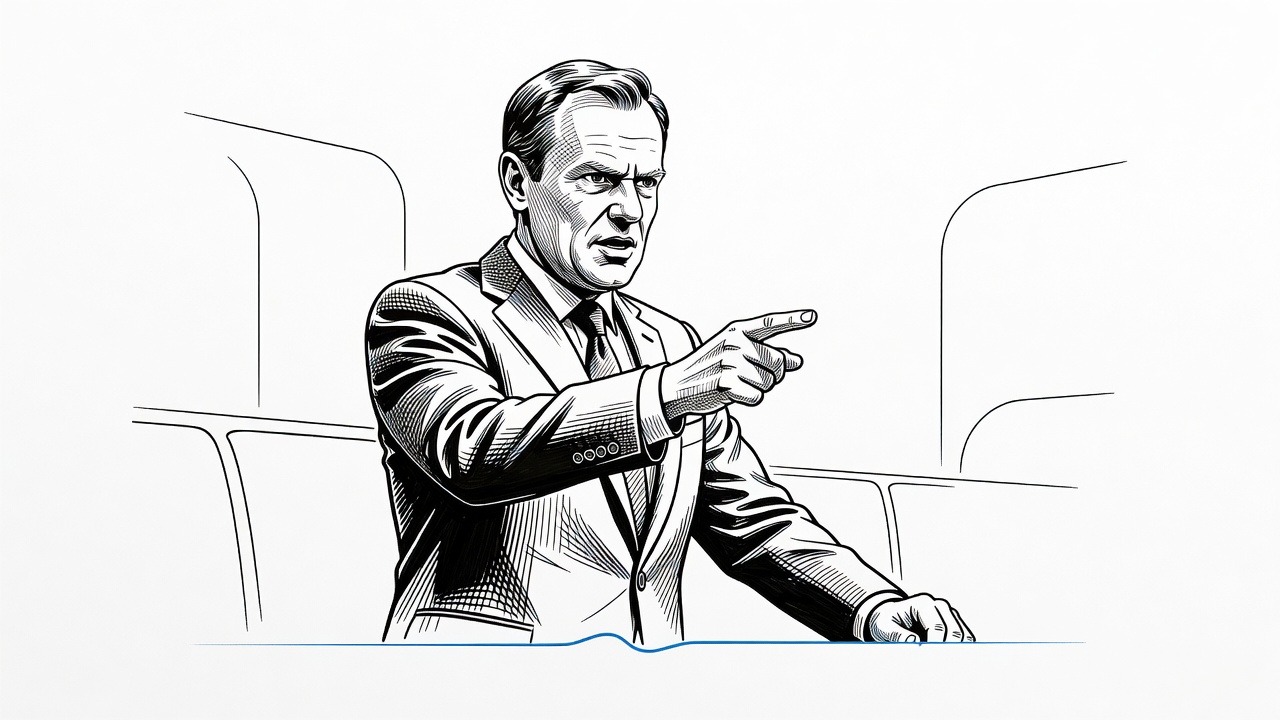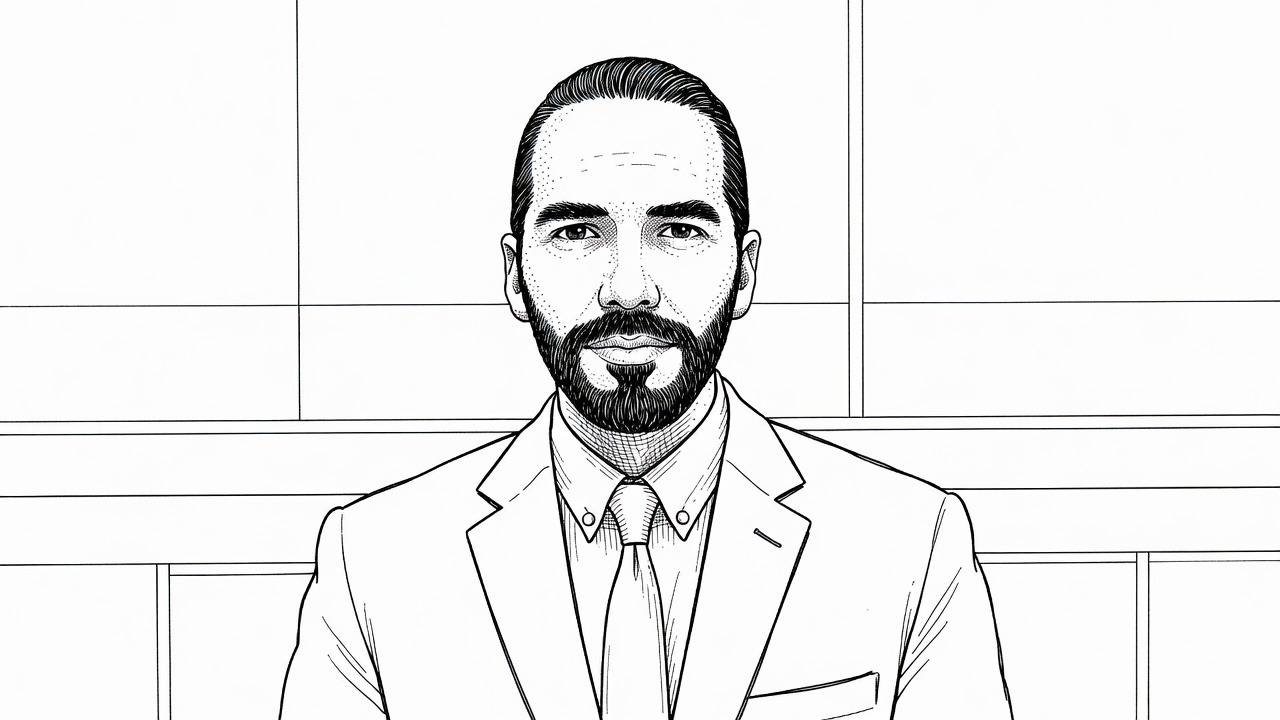
Set aside the affair. Who Jensen Huang sleeps with is a matter for Huang, his family and, if it comes to it, his board. The scandal here is that the President of the United States is publicly telling a private company's directors whom to hire, and justifying it as what is "best for the United States."
The board said no. Directors accepted a resignation and declined to reverse it under presidential pressure. That is a small, ordinary act of governance, and it now looks like a rare one.
The pattern is what matters. Trump demanded that Intel's CEO resign, then met him and walked away with a government stake in the company. Nvidia agreed to hand Washington a cut of its China chip revenue in exchange for export licenses. Federal power has been used less as a rulebook than as a favor bank, where who gets to sell what, to whom, and under whose leadership depends on the relationship. A CEO becomes a national asset when he is useful to the President, and expendable when he isn't.
The Right spent years complaining that corporations were captured by political agendas and that boardrooms were enforcing ideology. Fine. Now the President is leaning on a board to restore a particular executive, and the conservative movement that raged about "woke capital" is nearly silent. Apparently corporate governance is sacred until the president has a preference. Conservatives who invoke the free market should be the first to ask why a head of state is lobbying about one company's succession.
Then there is the market's reaction. Nvidia shares reportedly rose more than 5% overnight on the prospect of Huang's return. That is not a verdict on his engineering genius. It is investors pricing in access, the belief that a CEO with a direct line to the Oval Office is worth more than one without it. When political proximity moves a trillion-dollar valuation, we have stopped describing capitalism and started describing patronage. Ordinary shareholders, including everyone whose pension sits in an index fund, are along for a ride whose direction is set by presidential mood.
Treasury Secretary Scott Bessent's reported comments only deepen the unease. Debating whether this is a matter of "corporate culture" or "personal conduct" and calling Huang an "outsider" treats a private personnel decision as a question for the Treasury. Since when does the nation's chief economic official weigh in on whether a company's departing executive deserves his job back? It should alarm anyone who thinks the economy is supposed to run on rules rather than on who is in favor.
Some on my side will be tempted to make this about the affair. Don't. Moral panic over private conduct is a trap the Left should leave to the people who built a politics on it. The argument that holds is about power: no president, of either party, should be able to treat the leadership of the world's most strategically important chip company as his to grant or withdraw. Nvidia's products sit at the center of AI, export controls and the competition with China. That makes independent governance more important, not less.
If the board holds, good. But the real lesson is the one every other executive just learned. Be useful, be loyal, keep the President's number handy. That is not a market. It is a court.
How it may affect me
If you own an S&P 500 or tech index fund, a retirement account probably holds Nvidia, one of the market's largest weights. Its stock moved over 5% on a presidential post, which shows how political favor, not just earnings, can swing the value of ordinary savings.