When a government writes your existence into someone else's ethnic affairs statute, it is not offering you a seat at the table. It is telling you what the table is for.
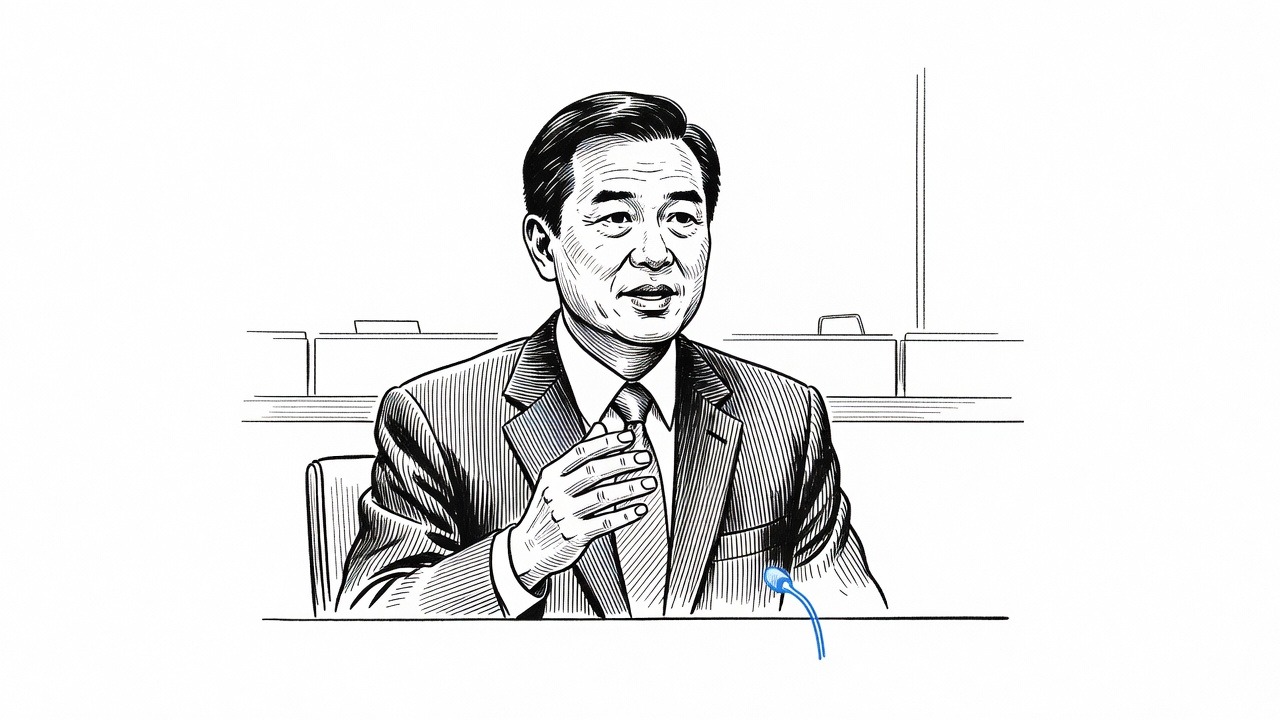
That is the substance of the warning from Taiwan's Mainland Affairs Council chief, Chiu Chui-cheng. By his account, Beijing's ethnic unity law folds Taiwan into the same legal framework China uses to manage Tibetans and Uyghurs, and could be used to punish people who won't cooperate with "unification." Chiu represents a government with its own political incentives, and his reading of the law's reach deserves scrutiny. But he is describing a pattern, not inventing one. Beijing has spent a decade turning "ethnic unity" into a justification for mass detention in Xinjiang and for boarding schools that separate Tibetan children from their language. Separately, under the banner of national security and sovereignty, it imposed a regime on Hong Kong that claims jurisdiction over people who have never set foot there. Different statutes, same instinct: any claim to a distinct political or cultural life gets treated as a threat to the state. Chinese authorities have also publicly named Taiwanese politicians as "separatists" under investigation. Anyone who finds it implausible that this machinery could be pointed at 23 million Taiwanese has not been paying attention to what it has already done.
This is where the American Left has to be honest with itself. We say we believe in self-determination, in the right of peoples to govern themselves, in solidarity across borders and against imperial domination. Taiwan tests those principles. It is a functioning democracy with free elections, a vigorous labor movement, marriage equality, and a civil society that has fought for every freedom it has. It has peacefully turned over power between parties. And its neighbor is passing laws whose logic is that its people's political future is a domestic matter for a one-party state.
Some on the left flinch because the loudest defenders of Taiwan are often the same hawks who treat every conflict as a pretext for a bigger Pentagon budget. That instinct is understandable, but it is a trap. Opposing American militarism does not require pretending that Chinese state power is benign. You can reject a new Cold War and still refuse to look away from Uyghur forced labor, from Tibetan cultural erasure, from Hong Kong's emptied courtrooms. Anti-imperialism that only recognizes one empire is not anti-imperialism. It is a team jersey.
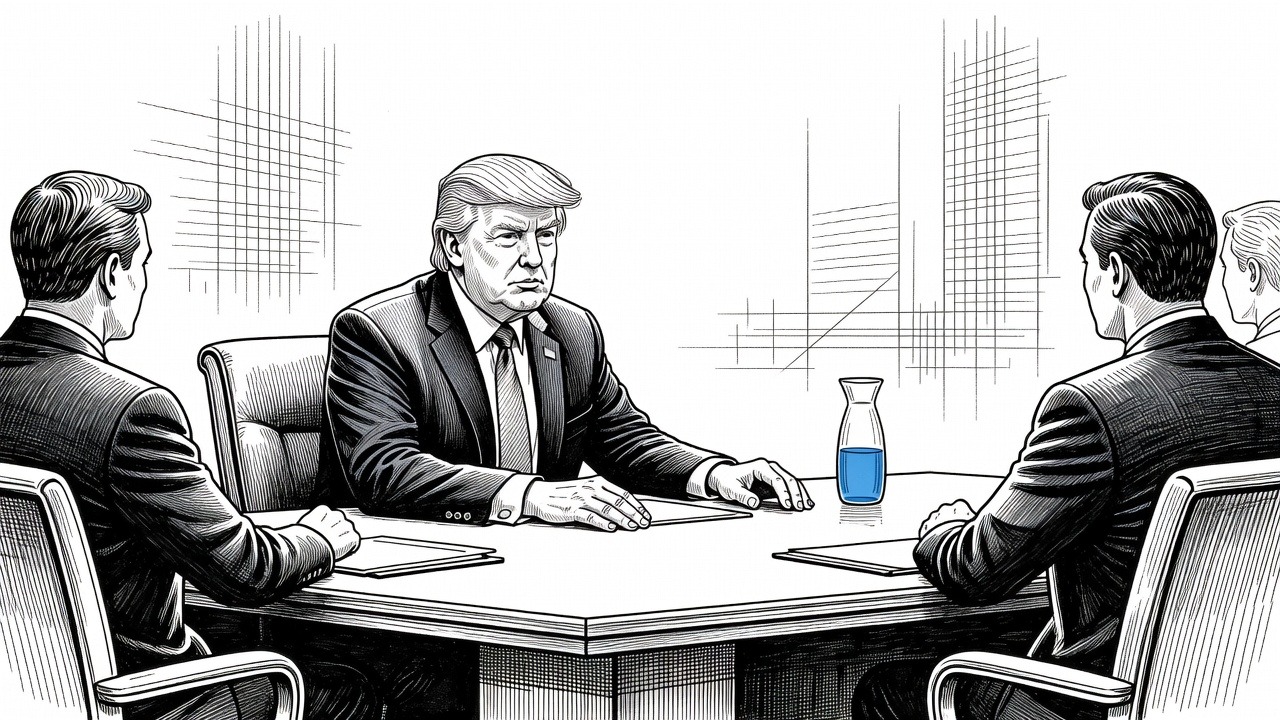
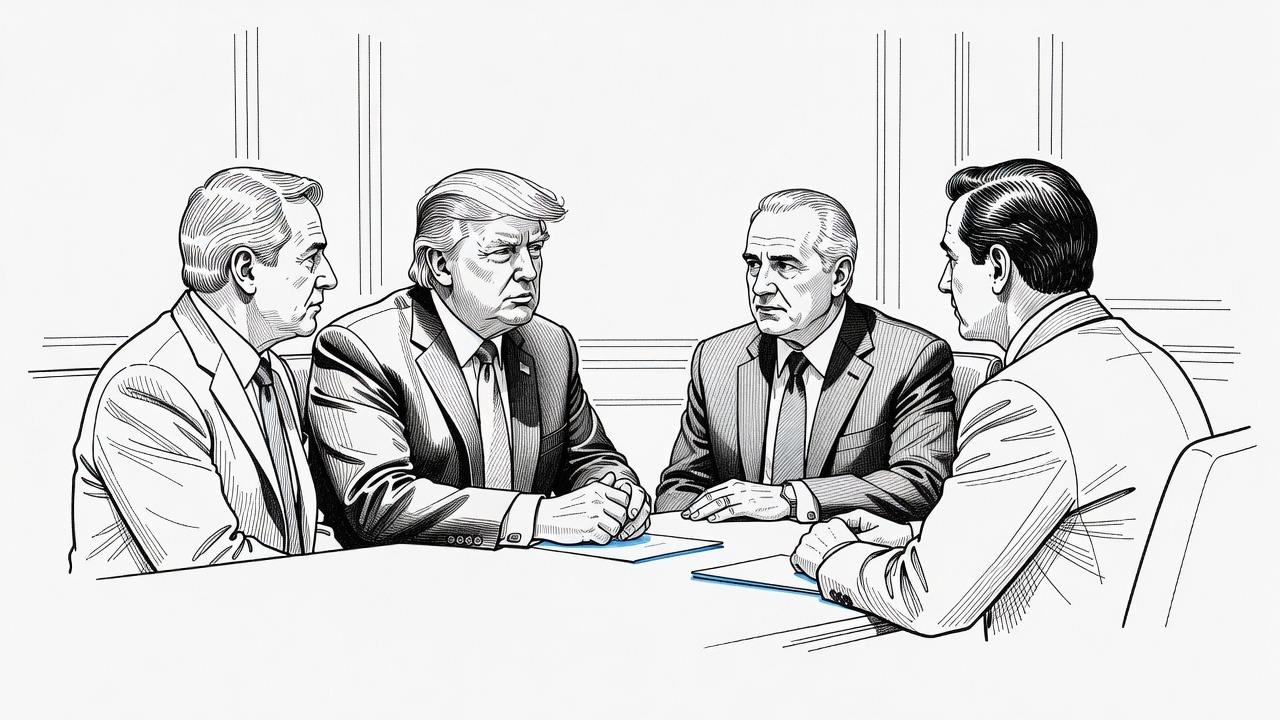
The right has its own problem, and it is worse. Donald Trump treats Taiwan as a bargaining chip, a semiconductor supplier to be tariffed, a line item in a deal with Xi. The same movement that thunders about China's menace is led by a man who has openly mused that Taiwan stole American chip business. Taiwan's security cannot depend on the mood of a president who sees allies as invoices.
The corporate world deserves its own indictment. Apple, Tesla, Hollywood studios and countless supply-chain giants have built fortunes on access to China and have been conspicuously quiet whenever that access requires silence. If Beijing's laws now reach overseas, that exposure grows: the employee, the academic, the journalist, the Taiwanese student abroad who says the wrong thing. Companies that comply with Chinese demands to protect market share are not neutral. They are part of how extraterritorial repression works.
The Left's response should be concrete. Protect Taiwanese, Hong Kong, Tibetan and Uyghur diaspora communities in our own countries from intimidation, surveillance and bounties. Pass and enforce supply-chain rules that actually bar goods made with coerced labor. Support Taiwan's democracy through trade, diplomacy and civil society, not just weapons. And demand that universities and corporations stop treating self-censorship as a cost of doing business.
Taiwan's ministers are warning us. The question is whether those of us who claim to stand for freedom and solidarity will say so now, when it is cheap, or only later, when it is not.
How it may affect me
Taiwan has raised its travel alert for mainland China, Hong Kong and Macao to orange, advising against non-essential travel. Anyone with Taiwan ties, or who has publicly spoken about Taiwan, Tibet or Xinjiang, should check their own government's current travel advisories and think carefully about the digital and legal risks before traveling to those places.