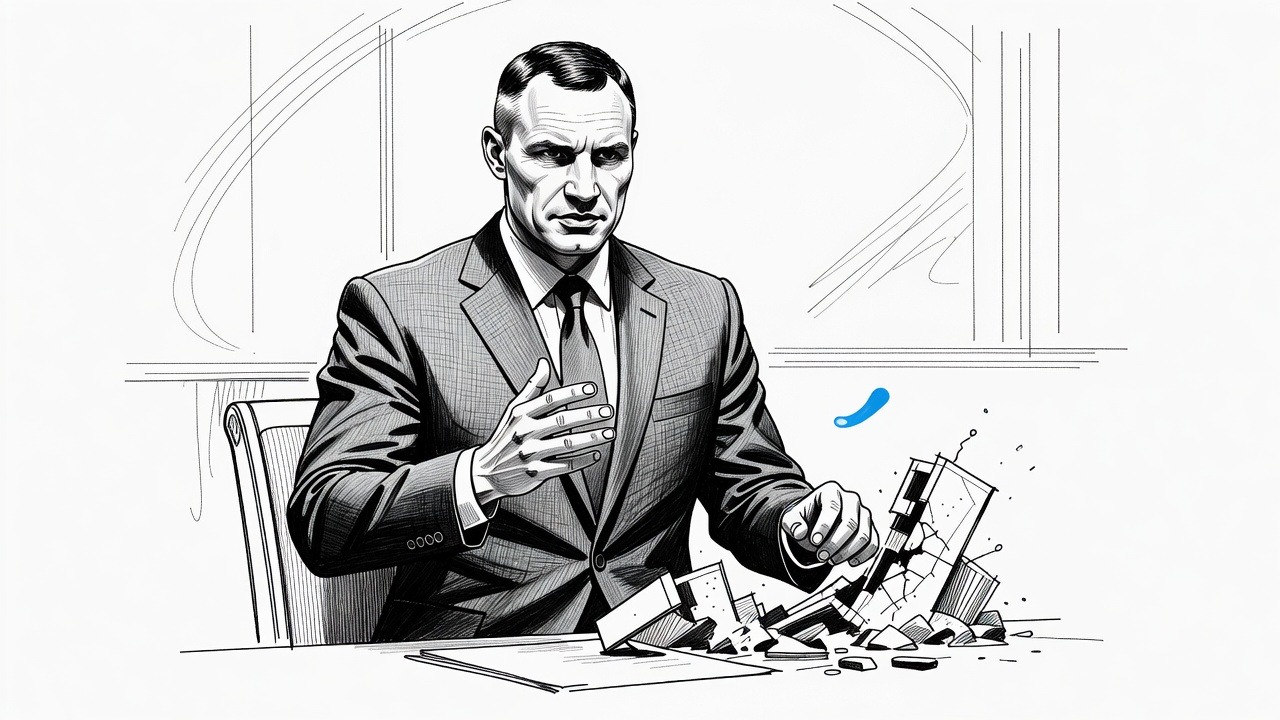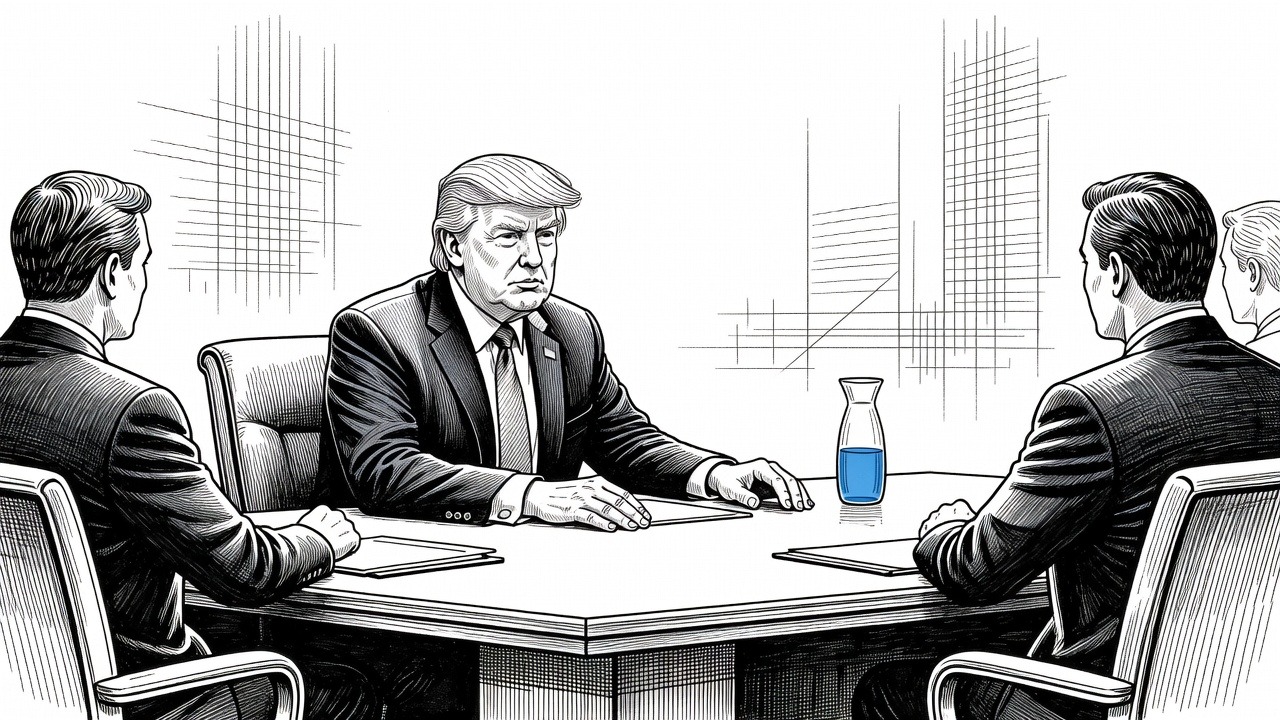
Three men sat in a room in Shenzhen and issued declarations on peace and stability. One runs a country that has spent years bombing Ukrainian apartment blocks. One runs a surveillance state that threatens to blockade a democratic island of 23 million people. The third is the president of the United States, who seems to regard the occasion as a very good photo op.
Let me be clear about what the Left should not say. We should not pine for a new Cold War, and we should not sneer at diplomacy itself. Talking to adversaries is not appeasement. Anyone who has watched Washington's foreign-policy class stumble from one catastrophe to the next should welcome fewer bellicose speeches and more negotiation. A nuclear-armed world cannot be run on chest-thumping.
But diplomacy has a purpose, and a summit has a price. The question is what was traded and who was not at the table. Ukraine was not there. Taiwan, Japan and the Philippines had delegations at the wider APEC forum, but none of them had a seat in this three-way meeting, and a delegation down the hall is not a say in decisions made over its head. These are the people who live within range of what these men decide. The only substantive output we have is vague language about "peace and stability," which is what you say when you have agreed to nothing you can be held to. Even the unnamed national security official concedes the underlying security issues were not resolved.
That official's remedy is the tell. Taiwan, Japan and "like-minded partners" should deepen maritime intelligence sharing, build resilient supply chains and pursue multilateral diplomacy. Fine. Those are sensible ideas. They are also the exact things this administration has spent its time undermining. Trump has threatened and taxed allies, treated alliances as protection rackets, and gutted the soft-power machinery, from development aid to broadcasting to diplomatic staffing, that made American partnerships worth having. You cannot slap tariffs on Tokyo and Taipei, demand tribute, flatter Beijing and Moscow, and then ask your friends to strengthen "multilateral diplomacy" with a straight face.
This is the real scandal of Trump's foreign policy. It is not that he talks to autocrats. It is that he so plainly prefers them. He is at ease with strongmen who make deals from the top and bewildered by allies who have legislatures, courts and voters. A world of great-power spheres of influence, where big countries settle things over the heads of small ones, is not realism. It is the old imperial order with a golf-club sensibility. And it is not even good for the American workers Trump claims to champion. Farmers and factory towns have learned, again and again, that his trade wars are improvised, reversible and paid for by people who never get a seat at a summit.
Democrats should resist the lazy response here, too. It is not enough to scream that Trump is Putin's puppet, a line that has aged badly and explains little. The better charge is simpler and more damning: he is trading away the one thing America had that China and Russia do not, a network of voluntary allies, in exchange for the vanity of being in the room. Beijing and Moscow have to coerce their partners. We used to attract ours. Every time Washington treats Japan like a shakedown target and Ukraine like an inconvenience, it hands Xi a free argument that American commitments are rented, not kept.
The Left's alternative should be serious. It means rebuilding alliances on the basis of shared democratic interests rather than extortion. It means arms control talks that actually reduce nuclear risk. It means a climate and trade agenda with China that protects workers here rather than using them as bargaining chips. And it means saying, plainly, that a peace declaration signed by the aggressor is not peace.
Summits are theater. The test is what happens to the people who were not invited to watch.