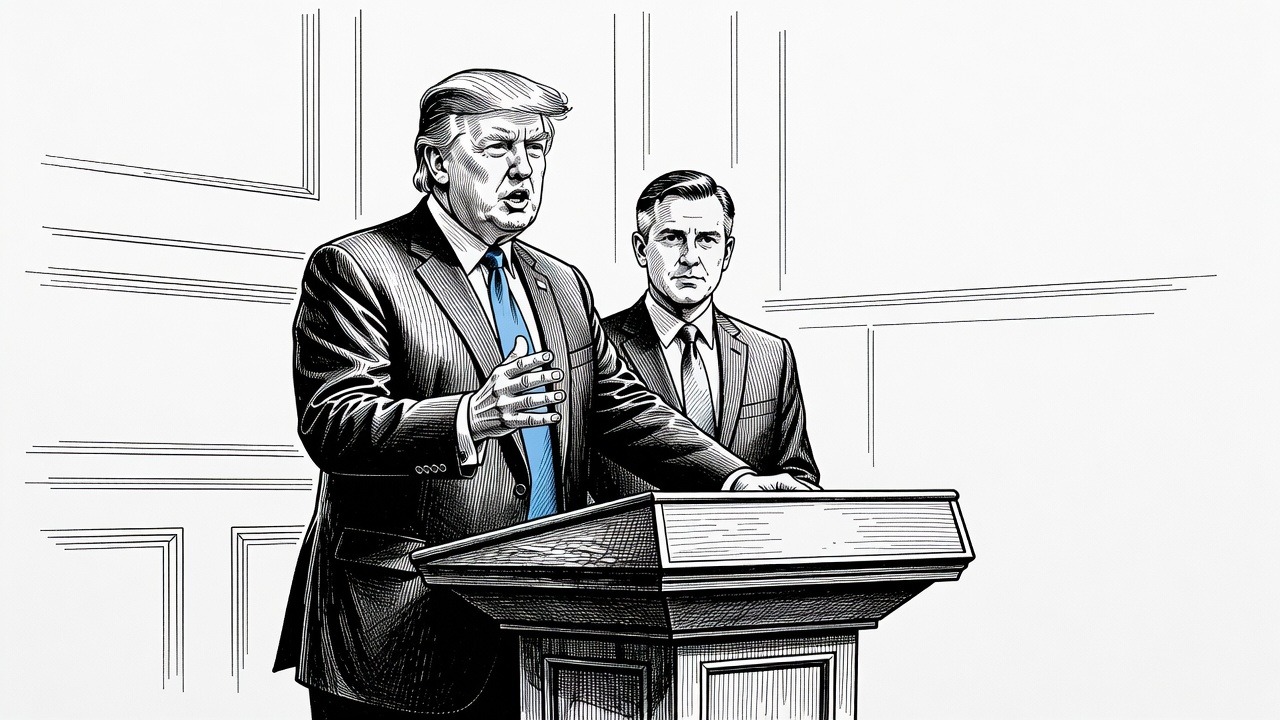
Strip away the banners and the bullhorns, and the Yuanlin rally offers a compact portrait of a politics that has mistaken generosity for governance.
The pitch is simple. KMT Chair Cheng Li-wun told voters that Wei Ping-cheng will cover national health insurance premiums for children six and under and for everyone 65 and over, and will hand every senior NT$10,000 a year. Pleasant, popular and easy to put on a leaflet. But think about what is being promised, and by whom.
National health insurance is a national system, strained by an aging population and by premium and deficit pressures that have worried health economists for years. A county magistrate who pays premiums out of the local treasury is not strengthening that system. He is writing a recurring check whose cost grows every year as Changhua gets older. The cash payment is the same kind of promise. Changhua has well over two hundred thousand residents over 65, so even a rough count puts the bill in the billions of NT dollars annually. No campaign rally ever explains what gets cut, or what gets borrowed, to pay for that.
That is the difference between a welfare state and a patronage machine. A welfare state builds services that work whether or not your candidate wins: long-term care that doesn't bankrupt a daughter, childcare that exists in the township where you actually live, clinics that stay open. A patronage machine hands out envelopes, and the recipient is meant to remember who sent them. Changhua, a county where local factions have long mattered more than party platforms, is fertile ground for the second model.
The rest of the rally confirms it. Wei stood on stage and conceded that his own party's nomination process had wronged three other figures, including a sitting legislator, a former deputy magistrate and a county counselor, all of whom were there to be paraded as proof of unity. Cheng told voters to "unite" behind the ticket. Notice what is absent: any account of why the nominations went as they did, or what standard decided them. Voters are asked to treat a factional settlement as a governing philosophy. And the central promise, to "continue Wang Hui-mei's governance," is an invitation to renew a mandate without examining it.
There is a larger point about the woman at the microphone. Cheng's KMT is making its pitch at a moment when the party's chair is most identified with a warmer line toward Beijing. A party that wants Taiwan's voters to trust it with their security and their sovereignty should be able to show it can do arithmetic on a county budget. Handouts are how a party signals it would rather be liked than be accountable.
The Left should not pretend to clean hands. Taiwan's cash giveaways have been bipartisan sport, and the DPP has played it too, with envelopes of its own. That is precisely why progressives should be the ones to say stop. A one-off NT$10,000 does not pay for a decade of dialysis, a caregiver, or a rent increase. Cash by birthday is also blunt: the retired landowner and the widow living on a farmer's pension get the same amount.
Changhua voters deserve better than a dueling-envelopes campaign. They should demand costed plans, named funding sources, and commitments to services rather than checks. If a candidate cannot say where the money comes from, the promise is not a policy. It is a bribe with a press release.
How it may affect me
These are campaign pledges, not enacted policy, so nothing changes for Changhua residents unless Wei wins on November 28 and the county funds it. If you're a senior or a parent, ask candidates which budget lines pay for the premium coverage and cash payments, and whether they would continue beyond one term.