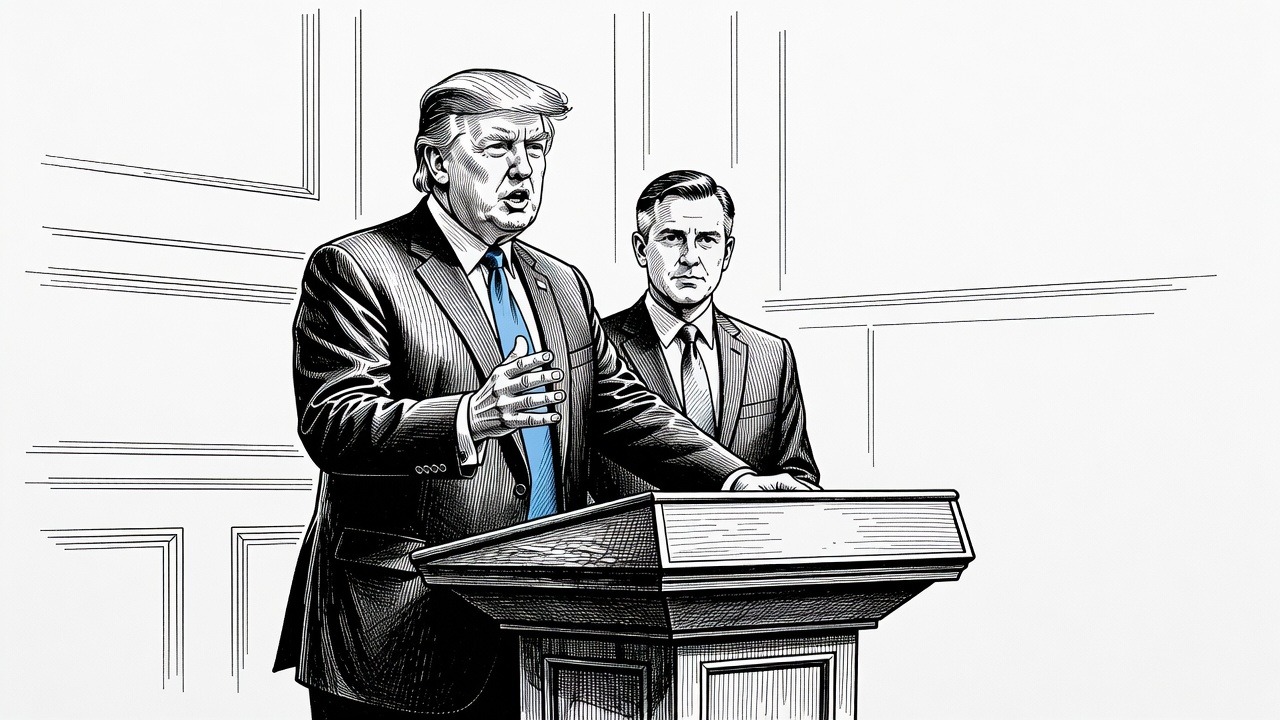
Donald Trump stood at the White House lectern for 90 minutes and said the quiet part in the most flattering way he could. He would order strikes on Iran again, he said, no matter the political consequences. His own vice president had just blamed the Republican midterm losses on the war. Trump didn't object.
In his telling, that is resolve. In a democracy, it is something else. Political consequences are the way a public tells a government it has made a mistake. Midterms are the one scheduled moment when the people who bear a war's costs, in lives, money and risk, get to say so. Voters apparently said so. The president's answer, delivered with a shrug, is that their verdict is a factor he has priced in and set aside.
Supporters will call this principled leadership: a commander doesn't run a war off polling. There is something to that. Presidents sometimes must do unpopular things. But that defense works only when a president makes the case, wins consent where he can and accepts accountability when he can't. Trump is claiming the prestige of courage while refusing the burden of persuasion. Defying the public on a war is not bravery. It is the exercise of power by someone who has decided the public's role is advisory.
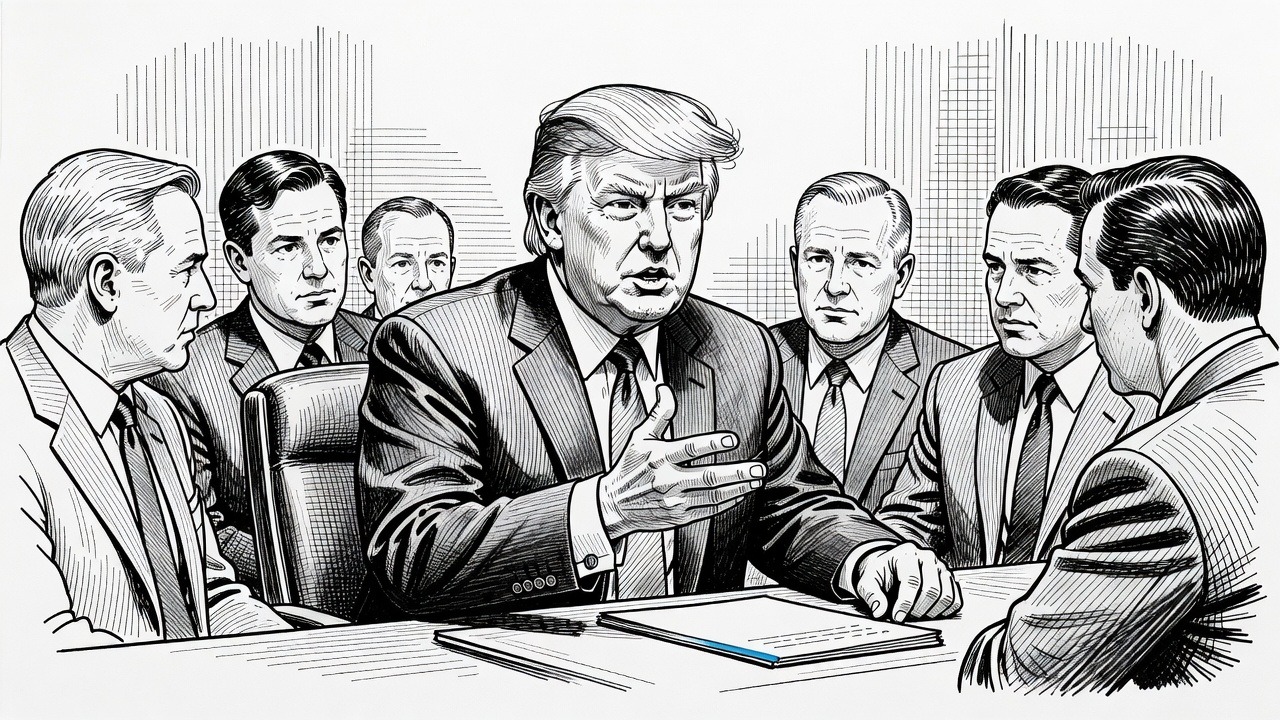
Notice, too, who is in the room. Vance, Rubio and Stephen Miller stood by while the president, asked about 2028, declined to anoint either of the two men most plausibly auditioning. A president talking about his succession while his party is reeling from a war-fueled rebuke is not a sideshow. It shows how the Republican Party now works. Its leading figures compete for the favor of one man, and none can say the obvious thing in public. Vance came close, and Trump let it pass, which is about as much dissent as the arrangement allows. The war is not a policy to be debated. It is a loyalty test, and everyone who hopes to inherit the party is taking it.
Then there is the staging. Displays beside the lectern trumpeted an affirmation that nuclear war benefits no country. That is a sentence a sixth-grader could sign. Presenting it as a deliverable of a trip to China, in the middle of a war the president refuses to second-guess, is the kind of unseriousness that only works when the audience is expected to clap rather than think.
The announcement on data centers deserves skepticism as well. Penalties for companies that build overseas make for a good applause line. The harder question is what the industry is demanding of American communities, in power, water and prices, and whether anyone pays. A president who can invent a penalty in a press conference can also defend ordinary people from the bill. We should see which he does.
Now the part for Democrats. Trump floated compromises on healthcare and immigration. He floated them because he is weaker than he was, and that is the only reason. Democrats should not treat this as a peace offering that must be gratefully accepted, nor reject it out of reflex. They should demand specifics and make him pay for them. If he wants cover on immigration, he can restore due process and stop treating enforcement as theater. If he wants a healthcare deal, he can agree to something that lowers what families pay, not a press-release gesture. The voters who handed Republicans their losses were not asking for bipartisan atmospherics.
The central question remains the war. If the president will not bend to the electorate, Congress has to. Lawmakers of both parties who still believe the Constitution gives them a say over war should use every tool they have, including funding, oversight and votes on the record. A president who says the verdict of the voters does not matter has just told us what he thinks of them. The rest of us should answer accordingly.