Five hundred New Taiwan dollars. That is roughly a plate of beef noodles and a bubble tea for two. According to prosecutors, it is also what a vote in Minxiong Township cost this autumn. The sum is small and the transaction squalid. The system it feeds is not small at all.
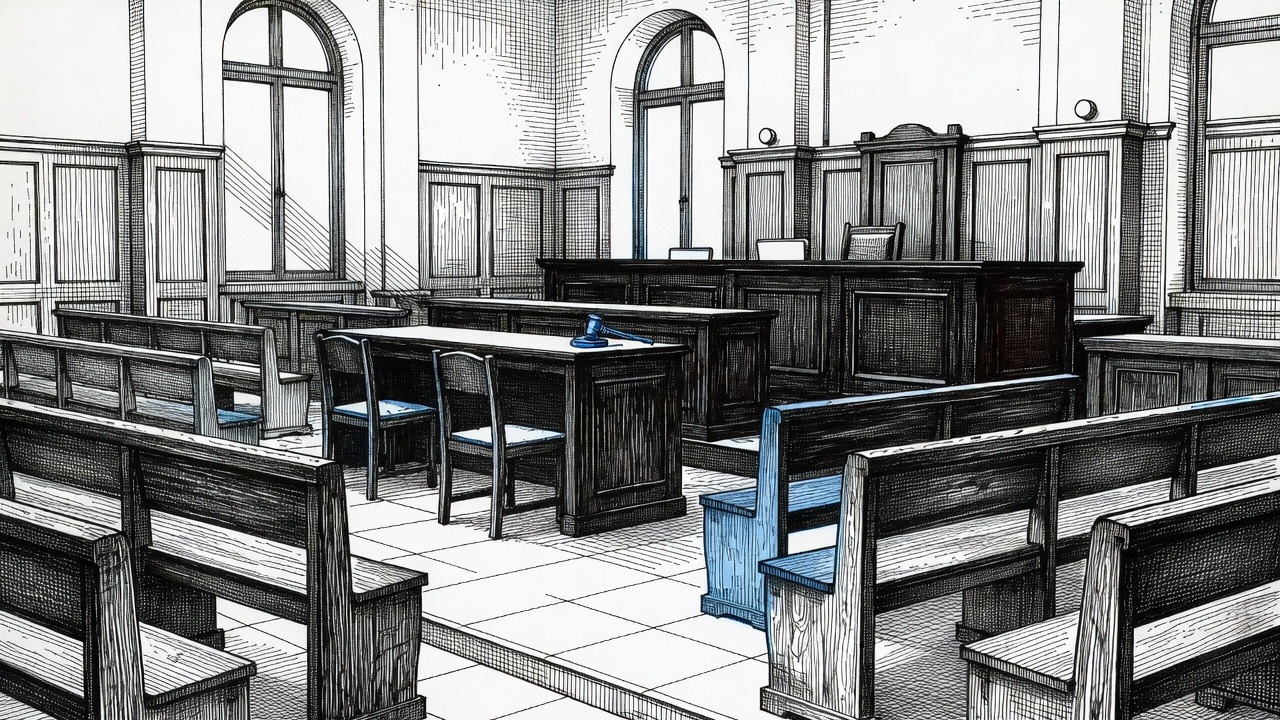
Start with what we actually know. A court has detained a 57-year-old man surnamed Zhang, and prosecutors allege he paid voters on behalf of a candidate surnamed Hsieh. Nine voters were questioned and nearly NT$30,000 was seized. That is an allegation, not a verdict. Taiwan's left, which carries the memory of martial-law-era prosecutions and still talks about due process, should not be glib about pretrial detention with restricted visits and communications. Courts use it in vote-buying cases because collusion and witness coaching are real risks, and that is a defensible reason. But it is a power over liberty, and it should always be justified in the particulars.
Still, the larger scandal is not Zhang. It is the economics of the thing.
Nobody pays NT$500 per vote to win a township representative seat out of civic enthusiasm. They pay because the seat is worth more than the bribes. Local councils and representative bodies sit close to small budgets, procurement, favors, zoning leniency, and the ability to hand constituents a job or a permit. Vote buying is an investment with a return. The cash handed to voters is the visible part of an arrangement whose real payoffs happen after the ballots are counted.
That is why the left should care more than anyone. The people taking the envelopes are often the people with the least slack: older rural voters, low-wage households, communities where the township office and the local faction are the nearest thing to a safety net. When a vote can be bought for the price of a dinner, democracy stops being a way for ordinary people to claim power and becomes a way for local brokers to harvest it. Poor voters get a few hundred dollars. The faction gets years of influence over how public money moves. That is a bad trade, and it is rigged.
The usual enforcement pattern deserves skepticism too. Prosecutors tend to catch the runner holding cash, the neighborhood chief, the middleman. The question that matters is who funded the operation and who benefited. Whether Hsieh knew is something investigators must prove, not assume. But the public should demand that the inquiry follow the money upward instead of stopping at the first man with an envelope. A crackdown that jails brokers and leaves principals untouched is theater.
The left also has to be honest about its own house. Taiwan's progressive camp, including the DPP, has governed counties like Chiayi for years alongside local networks it has found useful. Reformers cannot treat vote buying as something only the other side's factions do. If clean elections matter, enforcement has to be indifferent to party color, and parties should be willing to expel candidates and cut off brokers before prosecutors force the issue.
Taiwan likes to present its elections to the world as proof that a Chinese-speaking society can run a vibrant, free democracy. That claim gets tested not only in the presidential race but in places like Minxiong, where the contest is small, local, and cheap to corrupt. Defend the accused's rights. Prosecute the buyers, and the people behind them. And stop pretending that NT$500 is petty cash. It is the going rate for hollowing out self-government.
How it may affect me
In Taiwan, accepting money for your vote can itself be a criminal offense, not just giving it. If you are offered cash or gifts around an election, you can decline and report it to prosecutors or the Investigation Bureau; the authorities have historically offered reward programs for tips.