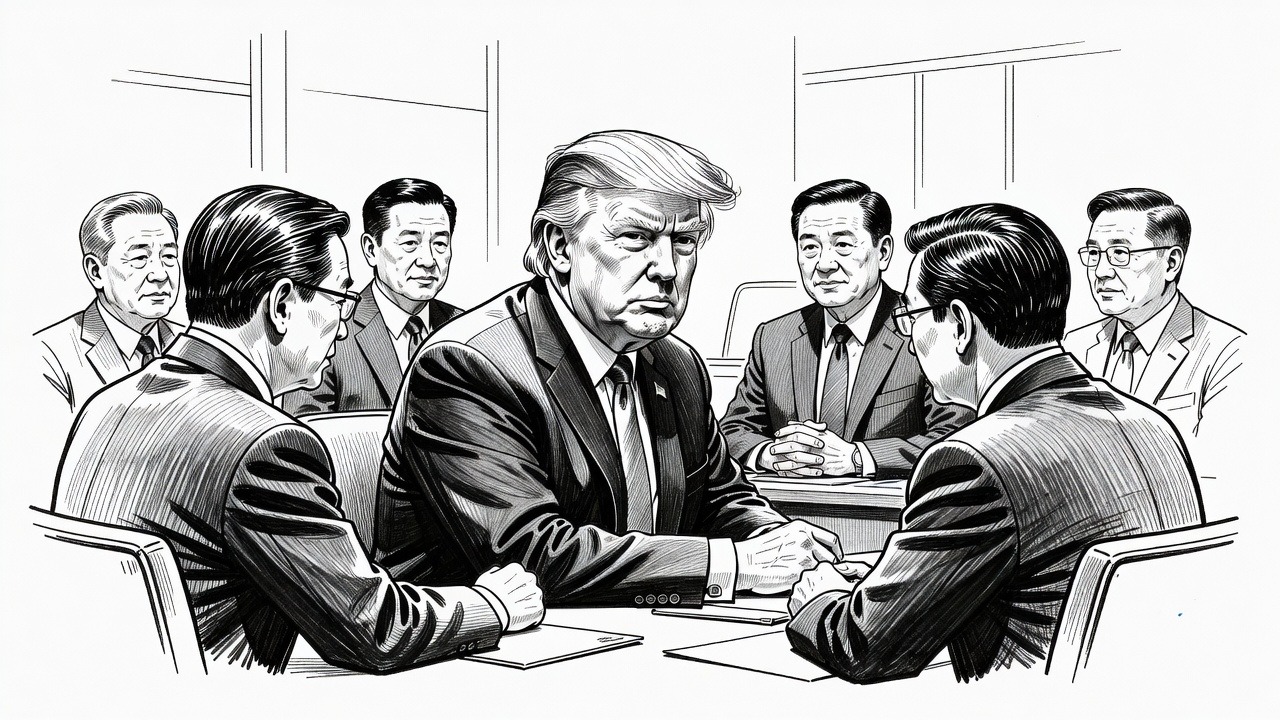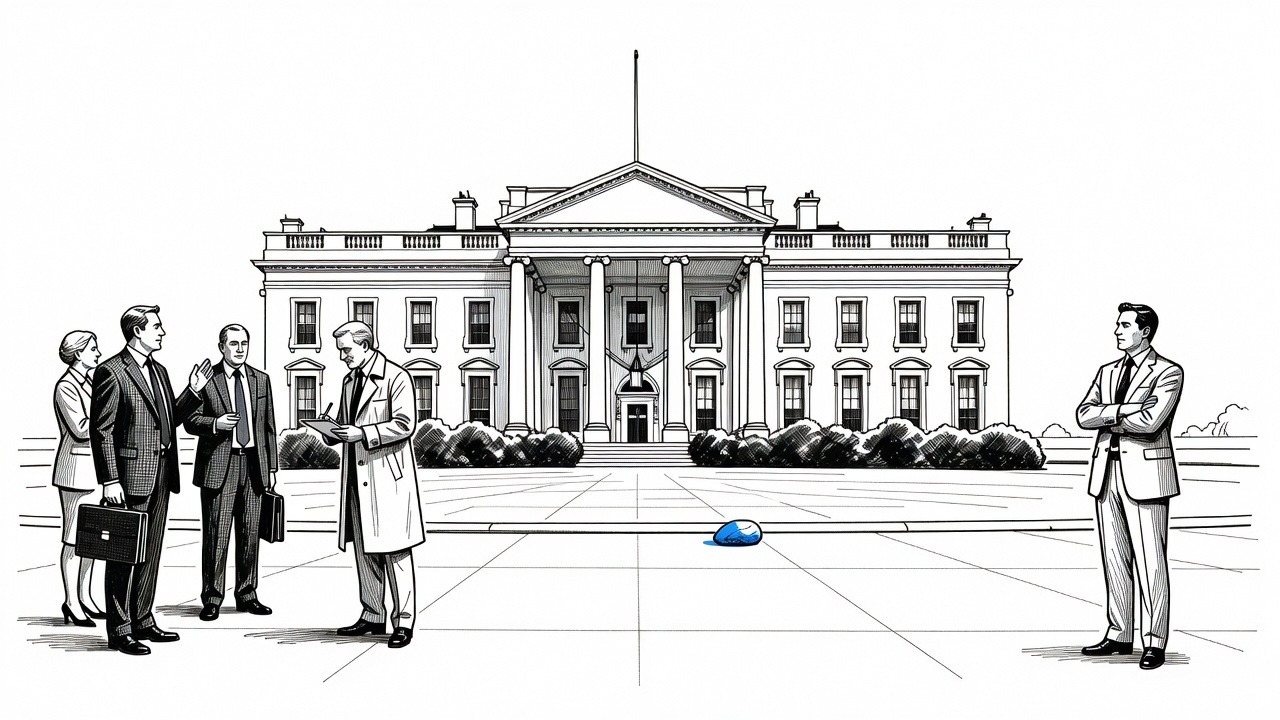
Let's grant the part that deserves applause. Washington and Beijing talking about artificial intelligence is better than not talking. Two countries building the most powerful systems on earth should be comparing notes on the worst things those systems could do. Biden and Xi agreed in 2024 that humans, not software, should control decisions about nuclear weapons. That was modest, and it mattered.
But what Donald Trump has announced is not an agreement. It is an "understanding," described by the man who benefits from the description, to be elaborated at a noon press conference. No text, no mechanism, no definition of "safety," no enforcement, no role for Congress. And it comes from a president whose domestic record on AI safety is a record of demolition.
On his first days back in office, Trump tore up the Biden executive order that required developers of the most powerful models to share safety testing results with the government. His administration's AI plan treats oversight as an obstacle to beating China. His allies tried to ban states from regulating AI for a decade. The Senate killed that idea 99 to 1, and the White House then reached for executive muscle to pressure the states anyway. Voters across party lines keep telling pollsters they want rules. The people who profit from there being none keep getting the president's ear.
So forgive us for doubting that "safety standards" means what a parent, a teacher or a worker would mean by it. In this administration, a standard that binds Silicon Valley is a heresy at home. A standard that exists as a handshake with Beijing is a photo op. The danger is that "we're working with China on it" becomes the all-purpose excuse. Why pass a law on chatbots that coach teenagers toward self-harm, or on algorithms that screen out job applicants, when the president is handling the big picture with Xi? The summit becomes cover for the absence of governance.
Then there is the company the president keeps. A summit that included Xi and Vladimir Putin, as reported, is not a neutral convening of responsible stewards. Both men run systems built on surveillance and censorship, and both would love for "AI safety" to mean controlling what machines say and whom they watch. A U.S.-China framework written in secret by leaders who fear free inquiry could easily protect states from their citizens rather than citizens from machines. Democracies should write these rules in public, with legislators, researchers, unions and civil-society groups in the room. A president announcing outcomes to a press pool does not meet that test.
The trade deals with Thailand, the Philippines and others deserve the same scrutiny. Trump sells every agreement as a triumph, and the details, who gains, which workers lose, which industries get carve-outs, arrive later and quieter. Reporters should ask who negotiated these terms, who lobbied for them, and what they do to American wages and to labor and environmental standards abroad.
Democrats should resist the temptation to either cheer or sneer. The right response is a demand: publish the text, brief Congress, and bring the understanding into law. If AI safety with China is real, it can survive daylight. And if the president wants credit for protecting the public from dangerous technology, he can start by restoring the protections he deleted at home.