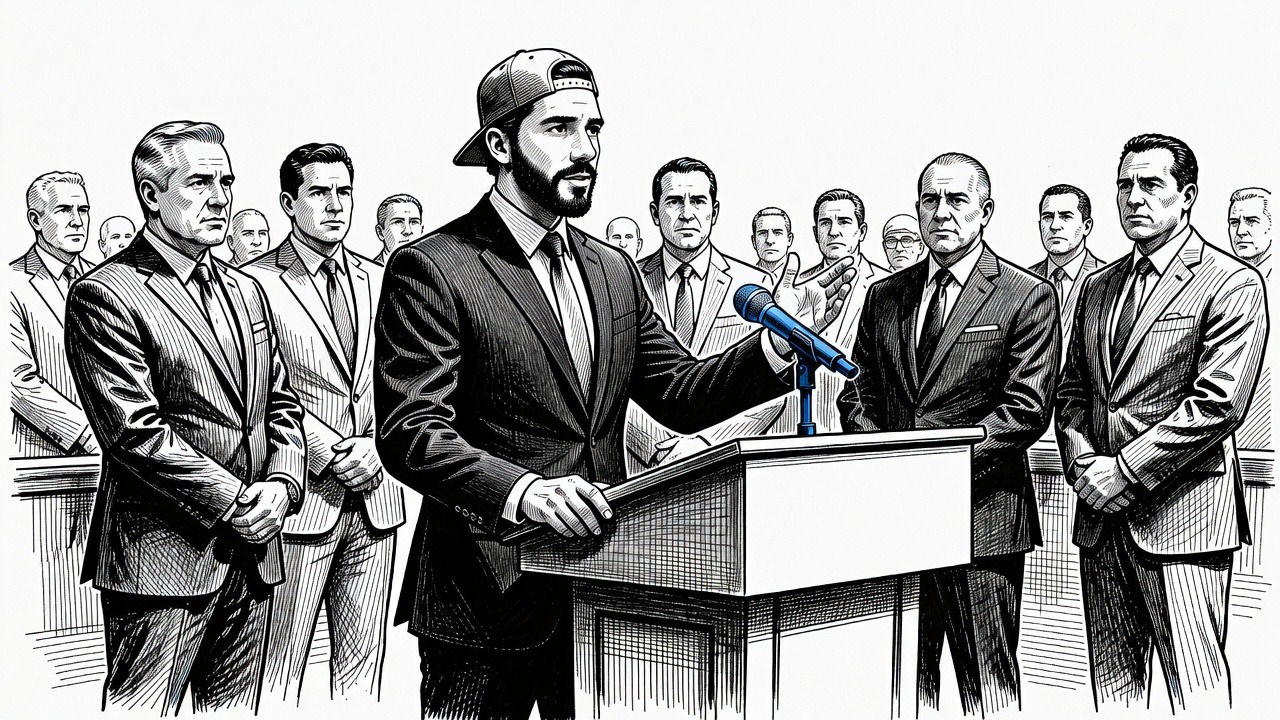
Two people said something false about the Philippines this week. Only one of them runs the country, and Democrats are making it harder to talk about him.
Start with Amy McGrath, because the embarrassment is real. She posted a photo of Trump, called the flag behind him Russian, and later conceded it was Philippine. It was a careless mistake, and it came from the old Democratic habit of seeing Moscow in every frame. Nobody should defend it, and my side shouldn't spend a minute pretending it's nothing. It matters because it hands the White House's defenders a gift. The next time a Democrat points to something real, they'll say, 'These people can't tell the Philippines from Russia.' Sloppiness from our side isn't harmless. It spends credibility we need for the fights that count.
And there is a fight that counts. Trump said a new trade agreement had been reached to support U.S. agriculture and energy. Philippine officials said no agreement on tariffs or specific trade commitments had been established. Those two accounts can't both be right. One came from a foreign government with every reason to be precise about what it signed. The other came from a president whose method is to announce a triumph first and let reality catch up later, if it ever does.
This isn't a quibble. Farmers who were burned in earlier trade wars were told, at length, that deals were done. Energy producers want long-term buyers, not a press-gaggle adjective. If 'a deal' means a pleasant conversation and a podium line, then the people who plant crops and drill wells are being sold a story. A real agreement has numbers, volumes and dates. Ask where they are.
Then there's the strategic picture, where the stakes are higher than anyone's soybean futures. Marcos said the United States is his country's only treaty ally. That sentence should sober Washington. The Philippines sits close to the Taiwan Strait and in the path of Chinese pressure in the South China Sea. Filipino fishermen and coast guard crews are the ones who meet that pressure at sea. They don't get to treat the alliance as a bargaining chip. They are betting their security on American steadiness.
Now watch how the visit was arranged: Manila first, then Beijing. An ally can be a stop on the way to a bigger negotiation. Everyone in the region knows Trump values a deal with Xi Jinping above almost any principle, and that he treats long-standing partners as leverage when it suits him. Nobody in Manila can know what gets traded away in Beijing, or what a president who announces agreements that don't exist will say about this one. Ask what Marcos is supposed to do with a partner like that. He can't know whether Washington's commitment is a treaty or a mood. Hedging toward Beijing, which is the outcome American hawks claim to fear, is the rational response.
That's the cost of governing by announcement. Credibility is the main thing an alliance runs on, and a leader who says 'we have a deal' when his counterpart says 'we don't' is wasting it. Allies stop believing the small claims, then they discount the large ones, including the promise to defend them.
So the Democratic job is plain. Skip the flag-spotting. Check every claim twice before posting it, then press the administration on what was actually signed, who gains, who pays, and whether the Philippines can still count on us when Beijing is in the room. McGrath got a flag wrong and corrected it. The president has yet to show us the deal.