Consider the sequence. The United States wages a military campaign against Iran. Then the vice president negotiates a memorandum of understanding. Then the president calls that memorandum a waste of time, while assuring the public that his negotiator did great and isn't going anywhere.
That is not a strategy. It is a man grading his own team's homework out loud while the other side watches.
If you were Tehran, what would you conclude? That the document in front of you has the signature of an administration that publicly disowns it? Iran has already watched Washington walk away from a signed nuclear agreement. Trump tore up the 2015 deal in 2018, even though inspectors were verifying Iranian compliance, and promised he would get a better one. What followed was an Iran with fewer constraints and a bigger program. Now the same president wants Iran to trust a paper he calls pointless. Diplomacy runs on credibility, and this White House spends it like it's free.
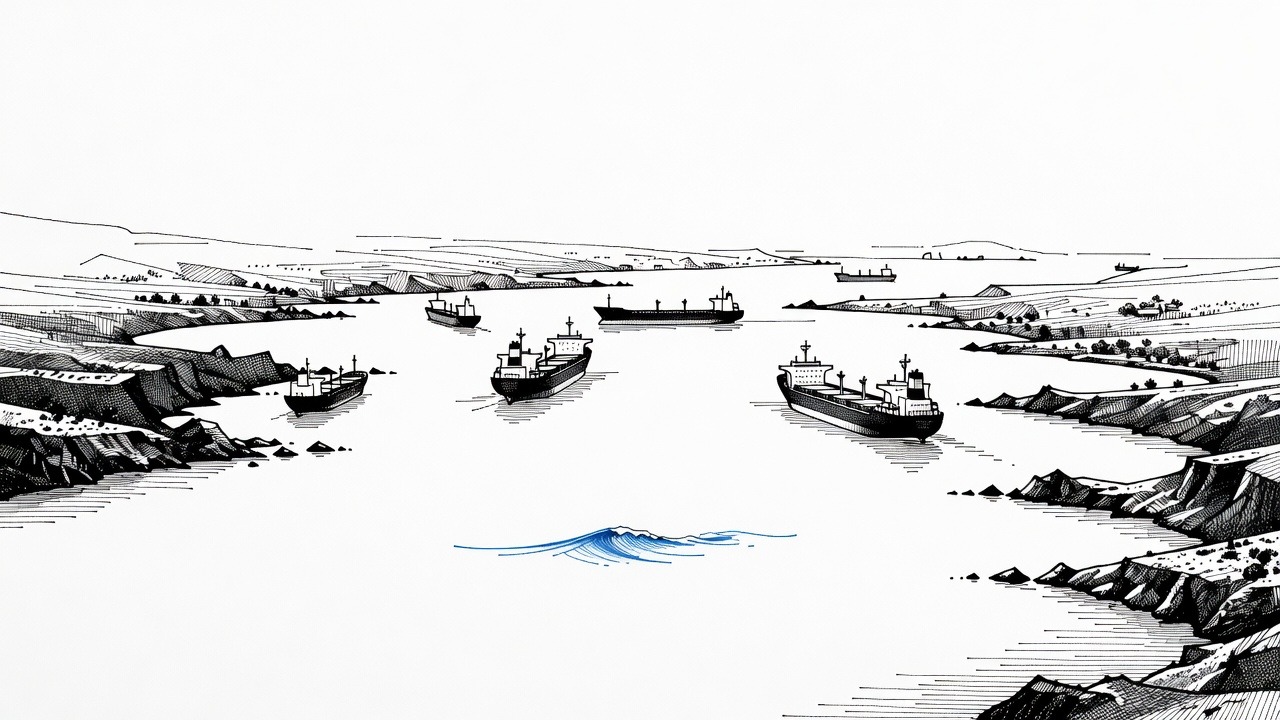
The tidy centrist line is the one the Seoul professor offers: combine diplomatic and military tools, curb Iran's nuclear capacity, restore safe passage through Hormuz. It sounds reasonable, and it is the language of every Washington seminar. But look at what it concedes. The strait needs to be *restored* to safety, which means the campaign did not deliver it. The nuclear question is still open, which means the campaign did not settle that either. Force was sold as the shortcut around negotiation. Now negotiation is back, with fewer assurances, more mutual hostility, and a global shipping lane in the balance.
The best argument for the hawkish approach is that pressure creates leverage. Iran negotiates seriously only when it is hurting, and a president who might do anything keeps adversaries honest. Sometimes that is true. But leverage is only useful if you can cash it in. You cash it in with a deal that is specific, verifiable and durable enough that both sides expect it to outlast the next news cycle. Calling your own memorandum a waste of time is how you burn that leverage. Maybe it is a bargaining pose. Even if so, it is a reckless one: it signals to Iranian hardliners that talking to Washington is a trap, and to America's allies that no one can say who speaks for the United States.
There is also the matter of who decided any of this. A campaign against a country of nearly ninety million people is the gravest thing a government does. Yet the public learns the outcome the way it learns everything else from this president: through offhand remarks about whether his vice president will keep his job. Congress holds the power to take the country to war, and it has been content to be a spectator. Democrats should say plainly that this is not an administrative detail. Every service member in the region, and every family that pays for fuel and shipping disruptions, is living with a decision no one voted on.
The Left is not arguing that Iran's nuclear ambitions are benign or that its government deserves trust. Its record at home and abroad is ugly. The argument is that the Iran hawks keep offering the same bargain: break the agreement, escalate, then act surprised when we have to negotiate from a worse place. The 2015 deal was imperfect and effective. Its replacement has been a cycle of strikes, shaky memos and presidential shrugs.
If diplomacy is the destination, then the administration should treat it as an actual policy, with consistent messaging, congressional buy-in and terms that survive a bad mood. Otherwise the vice president is just a gifted envoy carrying a document his boss has already thrown away.
How it may affect me
If safe passage through the Strait of Hormuz stays uncertain, expect continued volatility in fuel and shipping costs, since a large share of the world's oil moves through it. Watch gas prices and delivery surcharges rather than the headlines.