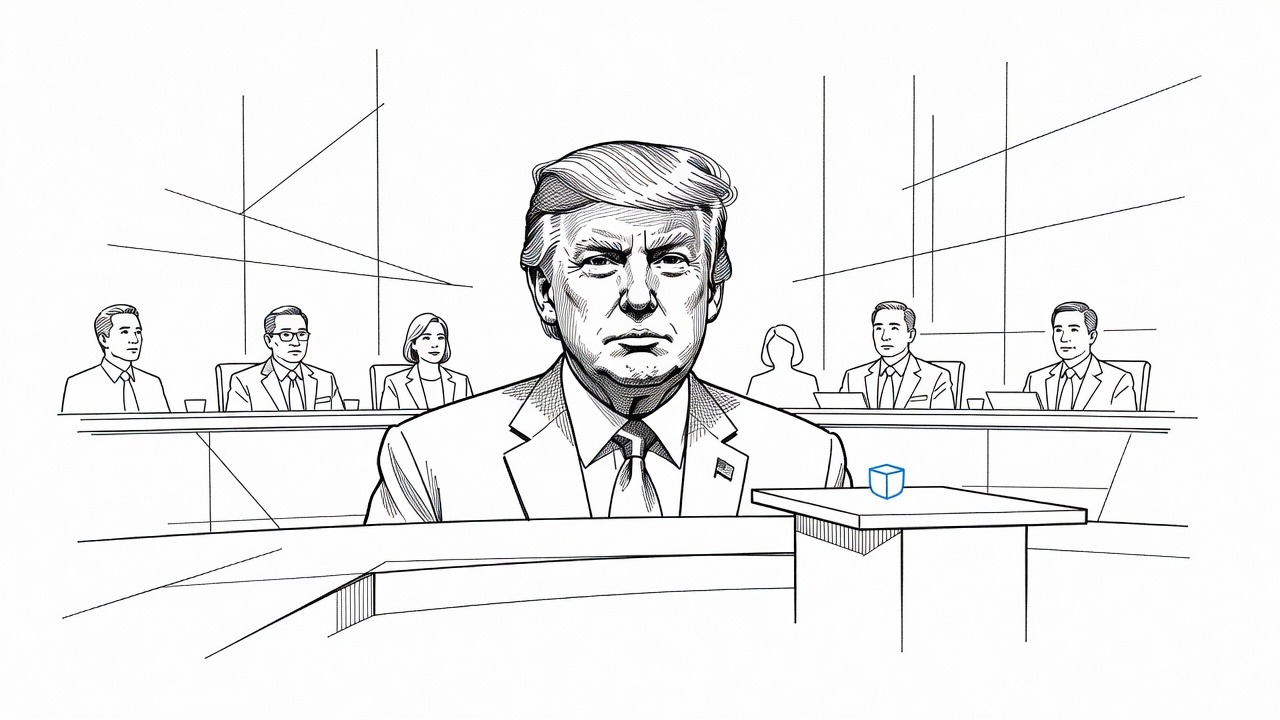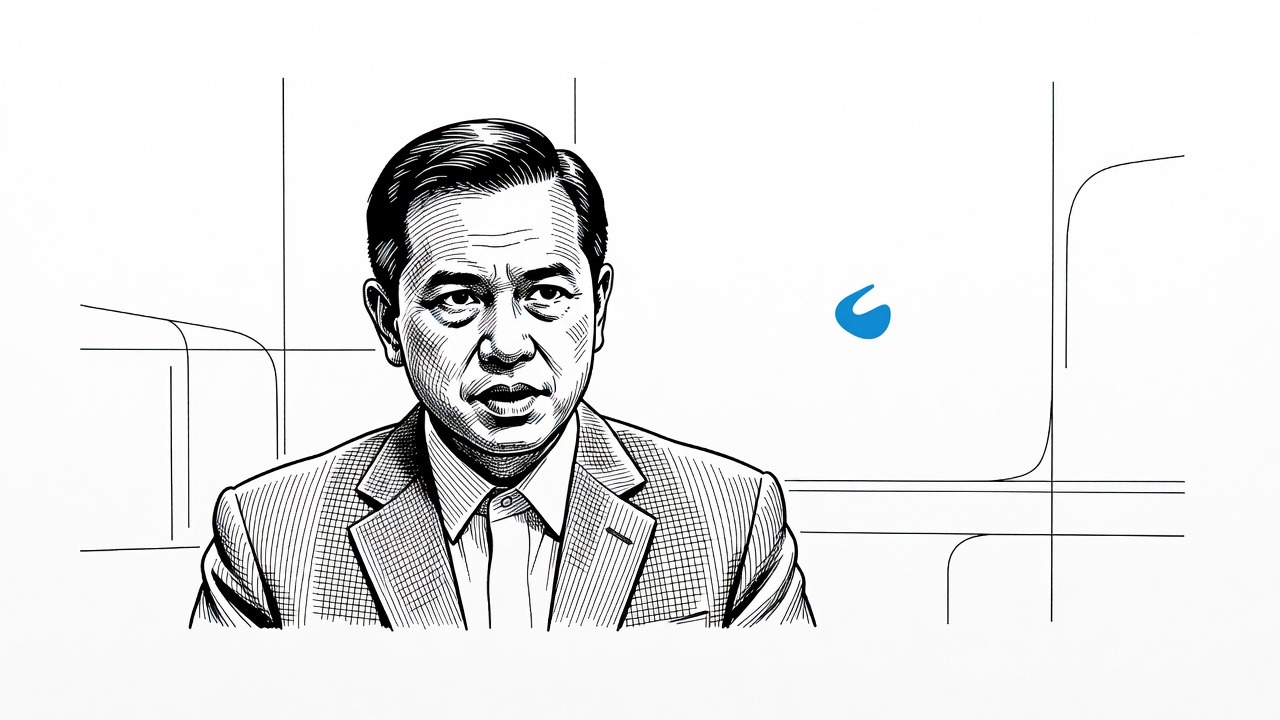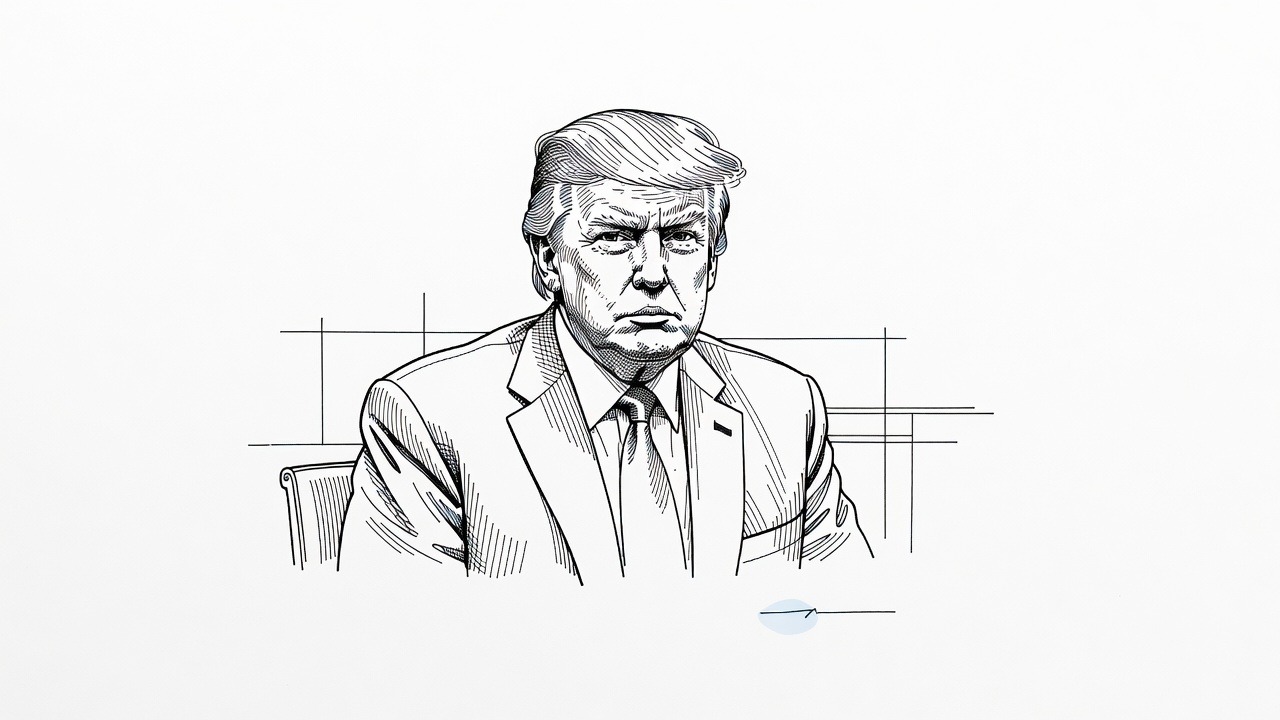
Look at the picture the Shenzhen summit produced: Donald Trump, Xi Jinping and Vladimir Putin in one trilateral meeting, discussing how to end a war in Ukraine, who gets to say what about Taiwan, and how to keep the Strait of Hormuz open. Ukraine wasn't in that room, and neither was Taiwan. Neither was Congress, or the American workers and farmers who paid for the opening act.
Start with the tariffs. For years we were told the trade war was a righteous campaign to break China's grip on American industry. Now Trump stands beside Xi and touts "mutual tariff reductions" as economic progress. If the reductions are progress, the tariffs were a cost. Economists across the spectrum have found that tariffs are mostly paid by American importers and consumers. Chinese retaliation hit American farmers hard enough that, in the first trade war, taxpayers had to bail them out to the tune of billions. Many of those farmers are the same people who were told to be patient for the greater good.
The greater good, it turns out, was leverage for one man's negotiations. Tariffs were announced by personal decree, escalated by mood, and are now unwound by handshake. Whatever you think of the policy, it was never a strategy anyone could plan around. A machine shop in Ohio can't build a supply chain on a president's sense of how the last call went.
Now the part Democrats should say plainly, even though the China-hawk reflex in both parties makes it uncomfortable. The problem isn't that Trump is talking to Xi. Engagement is better than a drift toward confrontation, and the fentanyl crisis, nuclear proliferation and regional stability all require talking. The problem is how he does it: as a private bargain between strongmen, where everything is negotiable and the only constituency is the president's idea of a win.
Take Taiwan. Trump said the U.S. does not support Taiwan independence, which is long-standing formal policy. Xi, meanwhile, said America should handle Taiwan "appropriately" to avoid disrupting relations, which is a warning dressed up as advice. Taiwan's own spokesperson said the island "was not the focus of the talks," which sounds like reassurance but also tells you Taiwan's 23 million people learn about their future secondhand. A democracy's security should not be an item that rises or falls depending on whether the tariff conversation goes well. Nor should anyone treat Ukraine as a problem for the three biggest egos at the table to solve over it.
The Putin meeting is the sharpest image. Trump says the U.S. and China share an interest in ending the Russia-Ukraine war. Fine. But the man across the table is the one who started it, and the other is the economic lifeline that has helped Russia endure sanctions. Sitting them down together might produce a deal. It might also produce a settlement drawn on Ukraine's territory by people with no stake in Ukraine's consent. Peace brokered over the heads of the invaded is only a pause with better public relations.
The Left shouldn't pretend that the old order of unaccountable trade deals and endless hawkish posturing was a golden age. It wasn't. But the alternative to bad multilateralism is not personalist dealmaking. It's transparent, accountable diplomacy, with allies at the table, Congress in the loop, and a trade policy built to protect workers rather than to generate photo ops.
What Shenzhen shows is a president who confuses being in the room with winning. The people who absorb the cost when the deals go sour, whether farmers, factory workers, Taiwanese voters or Ukrainian families, are never in the room at all.
How it may affect me
If the tariff reductions hold, some imported goods and business inputs could get cheaper over time, and farmers who sell to China may see steadier export demand. But the policy has reversed before, so businesses and households shouldn't assume lasting relief, and prices may not fall quickly or at all.