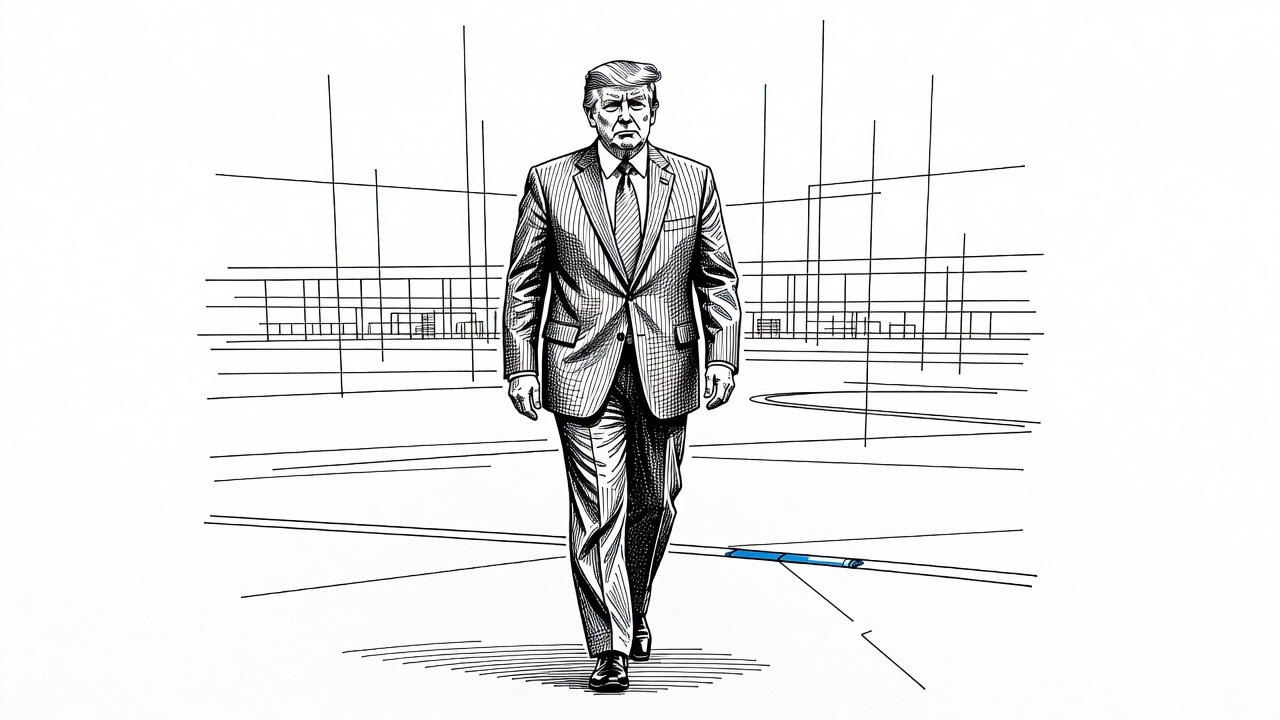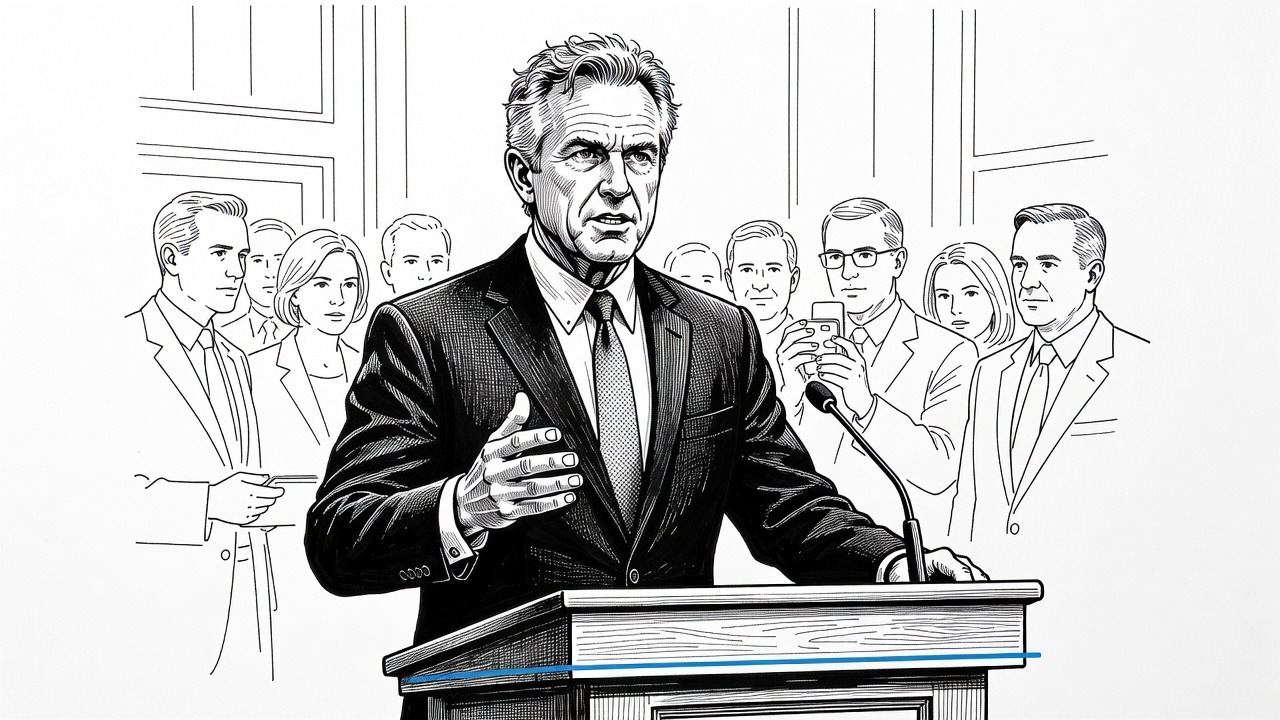
Three men are meeting in a Chinese city. One runs a country that invaded its neighbor. One runs a country that claims a democratic island as its own. One runs a country that used to claim it led an alliance of democracies. The people most affected by whatever they discuss are not in the room.
Talking to adversaries is not the scandal. Diplomacy beats escalation, and the Left has long argued that Washington's reflex toward confrontation costs ordinary people more than it costs the generals. The scandal is the shape of this particular diplomacy: personal, transactional, and conducted on Xi Jinping's home ground with the allies who once gave America leverage sidelined or sidestepped.
Look at who showed up. South Korea's president went to Shenzhen to ask Xi to help keep the peace on his own peninsula, which tells you where the gravity now sits. Taiwan, a 23-million-person democracy that makes the chips running half the modern economy, sent a businessman, Acer founder Stan Shih, because Beijing polices its APEC participation under what it calls the one-China principle. Taiwan's spokeswoman says Taipei is in "close contact" with Washington before the talks. Read that sentence again. A free society is checking in with its patron to learn whether it is about to become a bargaining chip.
That anxiety is earned. Trump has treated alliances as protection rackets and tariffs as a personality trait. He has shown more patience for Putin's grievances than for Ukraine's survival. A president who regards every relationship as a deal will eventually trade what is not his to trade: Taiwan's ambiguity, Ukraine's territory, Korea's security. And he will announce it afterward, with no Congress consulted, no allies briefed, and no public told what it cost.
The best defense of this trip is that Nixon went to China, that leader-to-leader channels reduce the risk of war, and that Trump's unpredictability keeps rivals guessing. Fine. But Nixon and Kissinger had a strategy aimed at a specific geopolitical realignment. What is the strategy here? Trump's trade war has not rebuilt American manufacturing in any way a factory town can feel. It has raised costs for businesses and consumers, hit farmers who lost Chinese buyers, and left workers as collateral in a fight that was sold as being about them. Walking into Shenzhen needing a win after that is not strength. It is weakness with a good tailor.
Democrats should not smugly cheer from the sidelines either. Too much of the opposition's China talk has been a hawkish echo of the Right, heavy on toughness and light on what working people actually need. A serious progressive foreign policy would pair credible commitments to allies with industrial investment at home, climate cooperation that actually delivers, and labor standards that bind everyone, including American companies that spent decades offshoring. It would also insist on transparency: if the United States is negotiating over the future of 23 million Taiwanese, Americans and their elected representatives deserve to know.
Summits produce photographs. The question is what gets signed in the shadow of them. Watch for the quiet language: a softened phrase on Taiwan, a pause on Ukraine, a tariff swap announced as a triumph. Great powers have always been tempted to settle the world over the heads of the small. The American president is supposed to be the one who refuses. This one looks more like he is asking for a seat.
How it may affect me
Outcomes on tariffs and trade could affect prices for imported goods and demand for U.S. farm exports, though nothing has been announced. Any deal touching Taiwan could also affect supply chains for chips used in phones, cars and appliances. Watch for official readouts rather than summit headlines.