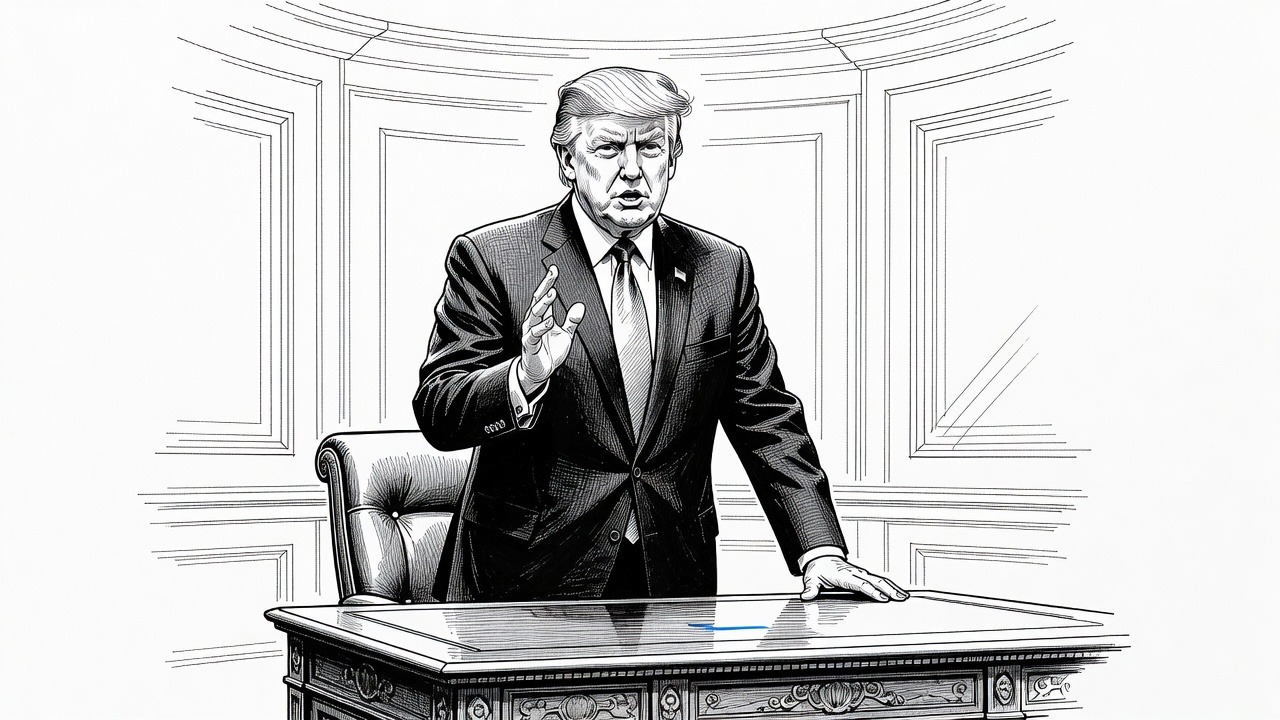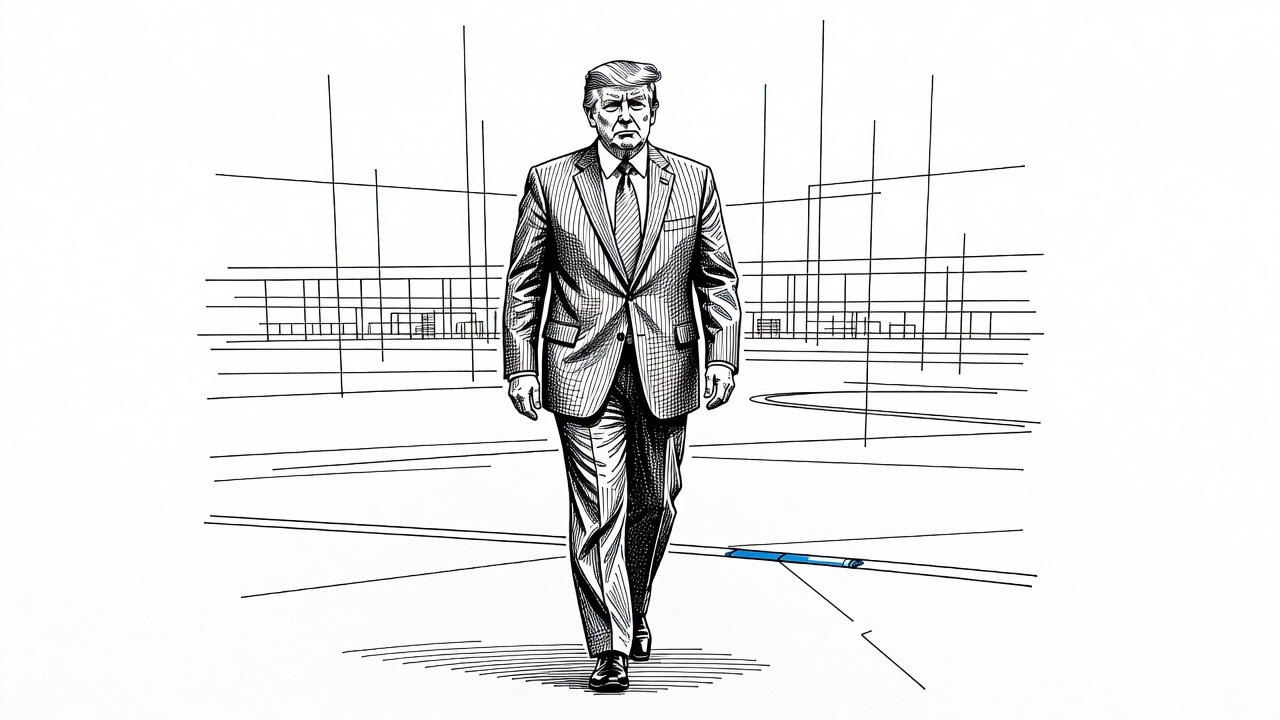
Let me say the thing my own side sometimes forgets to say: talking is good. Diplomacy beats war. Arms control is one of the great achievements of the last century, and a president who flew to Shenzhen to sit down with Xi Jinping and Vladimir Putin about nuclear weapons would deserve credit if he were doing diplomacy.
But look at what is on the table. A war in Ukraine, a standoff with Iran, and the future of nuclear arsenals are being discussed by three men. Ukraine is not one of them. Neither is Iran. Neither are the European allies who have paid for, armed, and absorbed the consequences of the Ukraine war. Neither is Congress. This is the old great-power instinct, in which big countries settle the fate of small ones in a room and call it peace. Ukrainians have heard that story before, and it has never ended well for them.
Then there is the staging. Trump flew to China, and Xi met him at the airport. Xi and Putin held their own meeting first, so by the time the American president sat down, the other two had already compared notes. Who arrives prepared and who arrives improvising? Who is host and who is guest? Beijing has spent years building a partnership with Moscow. Washington has spent the last year insulting allies, imposing tariffs on friends, and gutting the diplomatic and development machinery that gives American negotiators leverage and information. You cannot burn down your own alliances and then show up to a summit as the indispensable power.
That is the real indictment. Arms control is built on verification, staff expertise, allied consultation, and treaty text. It is slow, boring, and technical, because the details are what keep people alive. What this administration offers instead is personality: the belief that a deal is whatever the president announces after a good meeting. We saw that approach with Putin in Alaska, which produced pageantry and no ceasefire. Putin took a red carpet and gave nothing back. Why would a sequel with a better-resourced audience go differently?
The Right has a lot to answer for here. For years Republicans warned that Democrats were soft on Russia and naive about China. They condemned the Iran deal as appeasement, though it came with intrusive inspections. Now a Republican president travels to China, sits down with Putin, and the same voices call it strength. If a Democratic president had done this with this agenda, Fox News would be running a countdown clock to surrender. Principles that flip depending on who is holding the pen were never principles.
Democrats should not let themselves off, either. "Trump is meeting dictators" is not a foreign policy. The Left's position should be specific and demanding: nothing about Ukraine without Ukraine, no sanctions relief for Moscow as a gift, no nuclear understanding that is not written down, verifiable, and sent to the Senate. We should insist that any agreement on arms limits bind the next administration, not just flatter this one.
The people with the most to lose are not in the room. They are Ukrainian families under bombardment, civilians in a region that could be pulled into another round of strikes on Iran, and every ordinary person who lives under the nuclear umbrella and has no say in how it is folded. Summits can be useful. This one will be judged by whether those people end up safer or merely whether the cameras caught a handshake.