The most revealing detail in this story is a single word in the new Commerce rule: "know." Exporters will need a license when they *know* their chips will deliver computing power to restricted entities through overseas facilities. Anyone who has watched how corporate compliance works understands what that standard invites. It invites not knowing. It rewards the sales team that never asks who is really renting the servers in Singapore, and the executive who treats a shell customer as an ordinary customer because the revenue is real and the paperwork is clean.
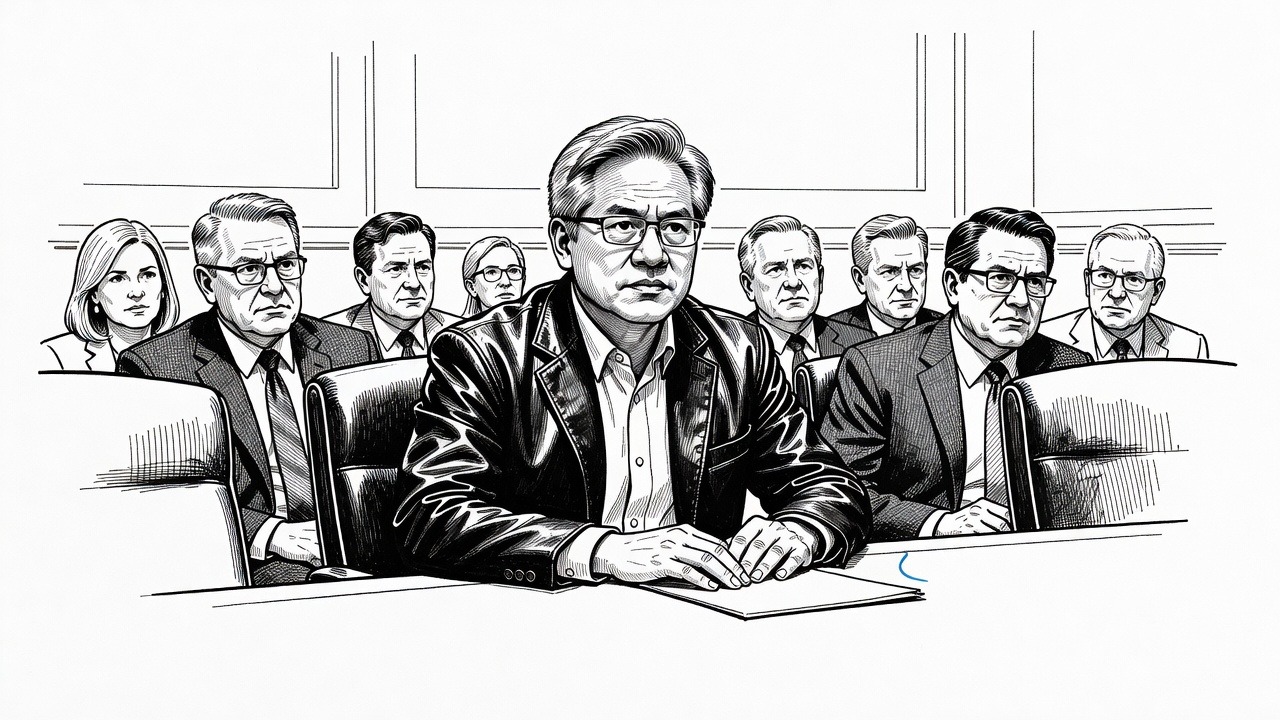
That is why the scrutiny of Jensen Huang and his ties to a former executive at Megaspeed matters. Nvidia denies wrongdoing and says it has opened an independent investigation. Fine. Nobody should convict anyone on a connection. But a company investigating itself is a press release, not an answer. The questions belong with Congress and with enforcement officials who don't depend on Nvidia's goodwill.
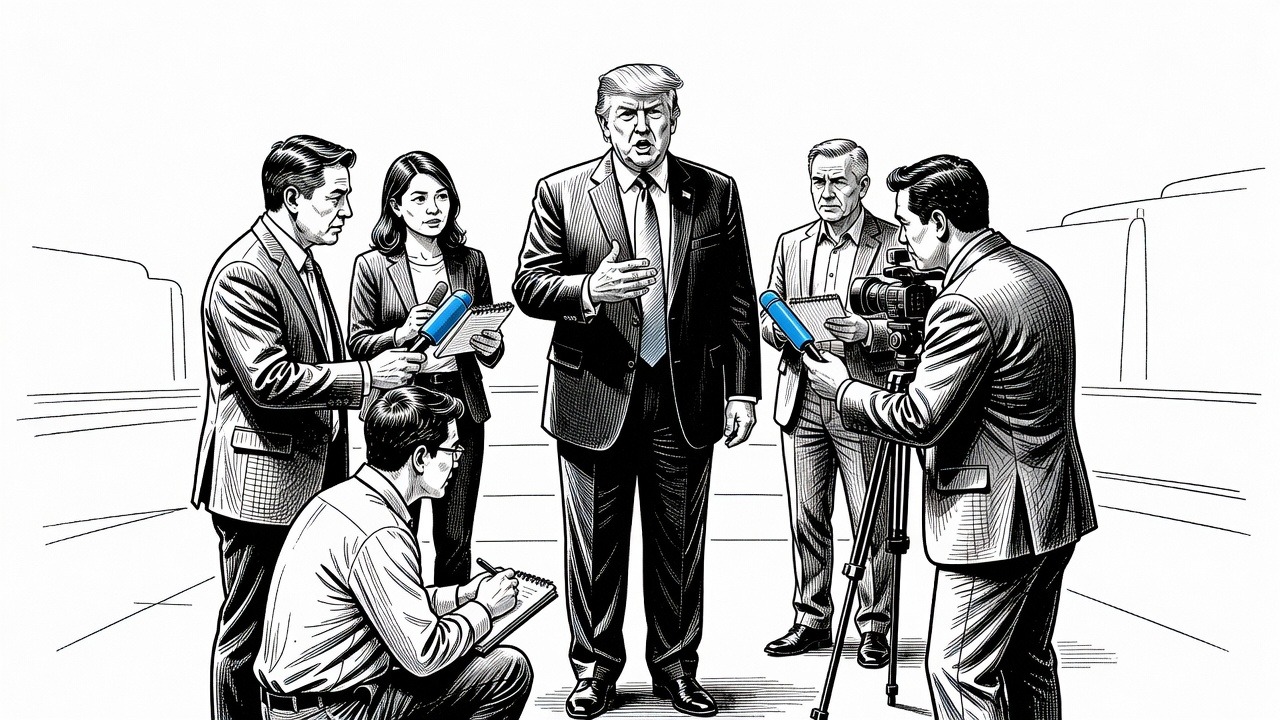
The larger scandal is how the government arrived here. Export controls on advanced AI chips are supposed to be a security tool, a judgment that certain computing power should not flow to rivals building military and surveillance systems. This administration has spent much of the past year treating them as a bargaining chip. It reversed course on sales of Nvidia's China-bound H20 chips after a personal charm campaign, then reportedly extracted a 15 percent cut of the revenue. Strip away the dealmaking language and the message to industry is simple: access to the president determines what national security requires.
That should alarm anyone, whatever they think of the China hawks. The hawks may be wrong about some things. A reflexive tech cold war has its own costs, and it is fair to ask whether sweeping controls are well designed. But those arguments belong in public, decided by officials accountable to voters. They should not be settled through private lobbying by the chief executive of the most valuable company on earth, who has a billion-dollar interest in the answer.
Now the Senate Banking Committee, chaired by Republican Tim Scott, is "coordinating with Huang's team" on his appearance. Commerce Secretary Howard Lutnick has agreed to appear too. Put them in the same hearing room and the problem is obvious: the regulator and the regulated, each with every reason to shape a shared story. Lutnick is not a neutral referee. He helped run the policy that now needs explaining. Senators should be asking who decided what, when, and after meeting with whom. Visitor logs, license decisions and the 15 percent arrangement, whose legal footing is dubious, should all be on the table.
Democrats shouldn't pretend to clean hands either. The Biden administration's chip rules were repeatedly outpaced by smuggling and cloud-access workarounds, and the pattern of rule, loophole, patch, loophole was visible long before this one. Warning that the fix would arrive too late was easy. Funding the enforcement capacity to make it real was harder. Export enforcement is an underfunded, understaffed corner of the Commerce Department asked to police the fastest-moving industry on earth. A rule is only as good as the number of investigators who can read a data-center lease and ask why a Singapore firm needs that much capacity.
The Left's argument here is not that Nvidia is uniquely villainous. It is that when a handful of firms control a strategic technology, their incentives and the public interest diverge, and democratic institutions must be strong enough to say no. That means a clear standard in place of willful blindness, independent enforcement in place of self-investigation, and sworn testimony in place of cordial coordination.
If Huang and Lutnick sail through a friendly hearing, we will have learned nothing. If senators of both parties do their jobs, we may learn whether chip controls are policy or merchandise.