A joint statement opposing the unilateral change of the status quo by force or coercion is a fine sentence. The trouble is who is signing it, and who is reading it.
Let me be clear first about what I am not saying. Beijing's coercion of Taiwan, of the Philippines at sea, and of Japan when it displeases the Communist Party is real, and it is ugly. A left that shrugs at it in the name of anti-militarism is not serious. The people of Taiwan have a democracy worth defending, and Filipino fishermen who get water-cannoned are not abstractions.
But a principle is only as strong as the credibility of those who announce it. And the Washington that sat down in Manila has spent the past two years teaching the world that unilateralism is how it does business. It has threatened to take Greenland from a NATO ally. It has used force in Latin America without asking Congress or the United Nations. And it has hit one of its own Quad partners, India, with tariffs punitive enough to make New Delhi wonder what the partnership is for. You cannot lecture Beijing about coercion while coercing your friends over trade, and expect the audience in Hanoi, Jakarta or New Delhi to miss the irony. They don't miss it. They are paid to notice.
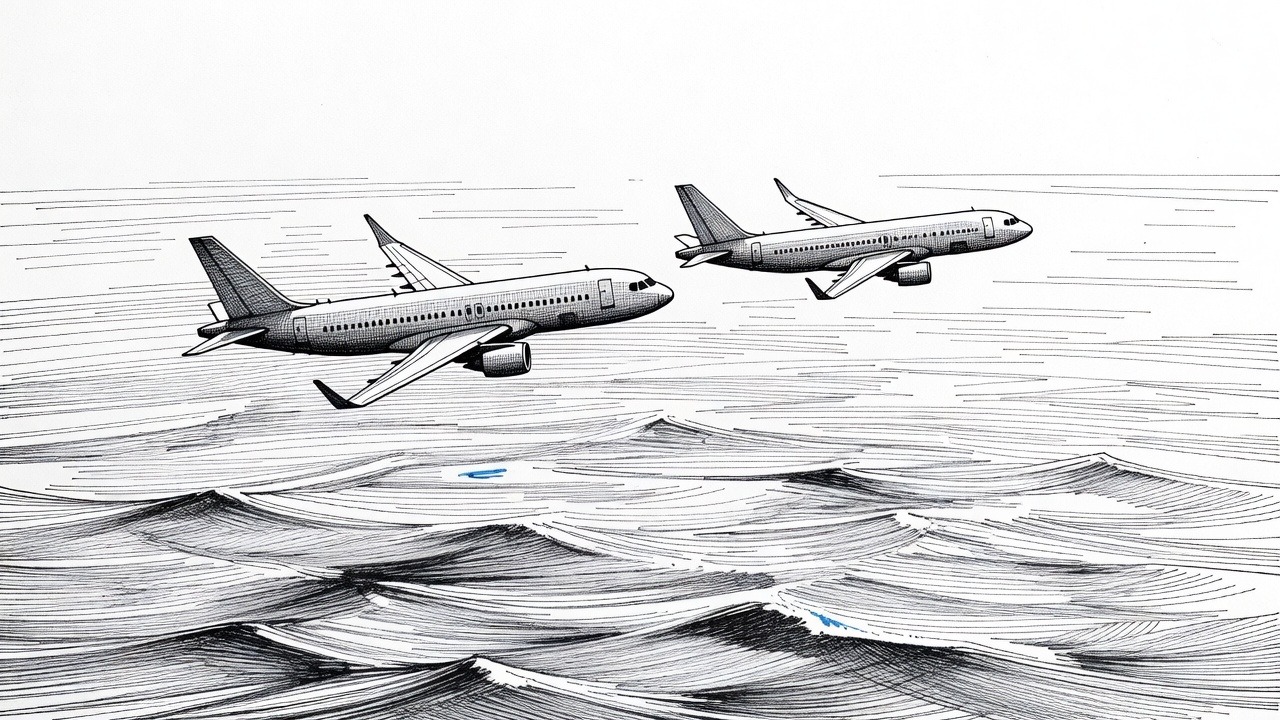
That is the real weakness of this meeting. The Quad's value was never the hardware. It was the promise that a group of democracies could offer Asia a more attractive, more rules-bound alternative to Chinese dominance. What is the offer now? A P-8 and P-3C patrol exercise scheduled for 2027. Surveillance aircraft are useful. They are not a strategy. Beijing offers ports, loans and market access, and it does so without a lecture. Washington has gutted its aid apparatus, walked away from the trade architecture it once built, and arrived with tariffs and a to-do list. Countries in the region are being asked to choose a side without being given a reason.
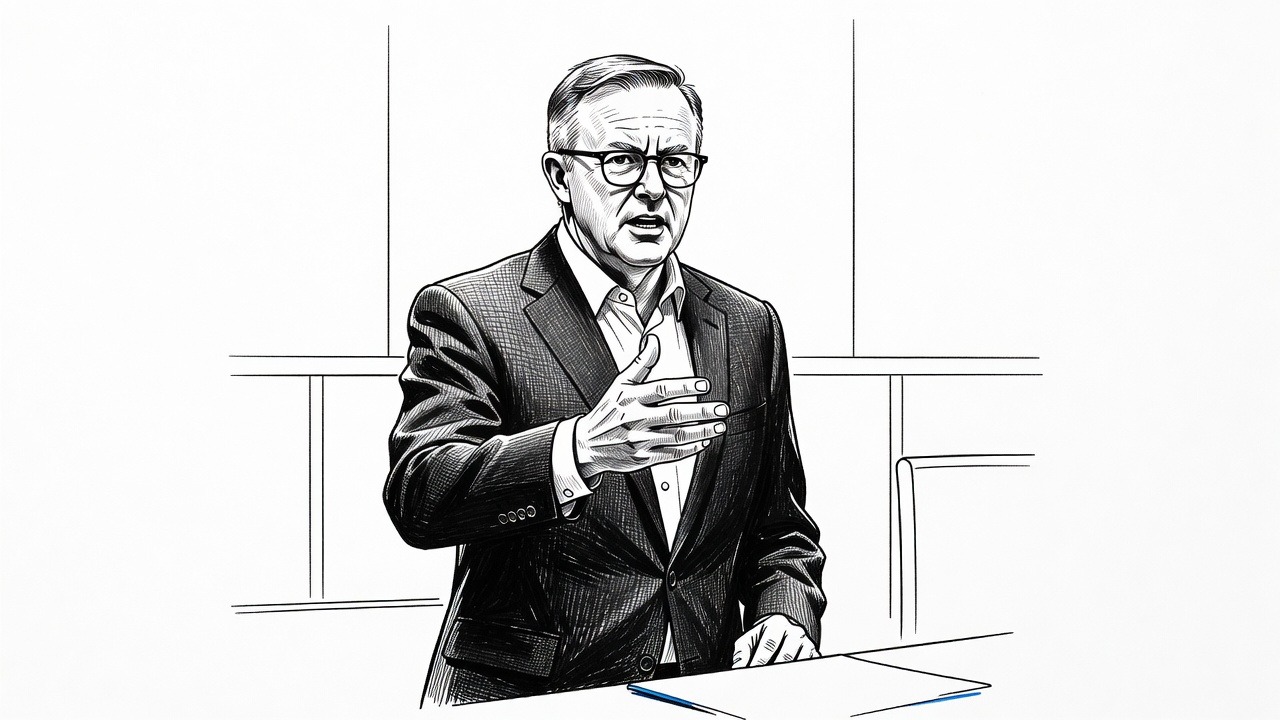
Notice, too, how carefully every leader hedged on Taiwan. Washington said 'peace and stability.' Canberra said dialogue. Tokyo said stability. Fine; that is the language of grown-ups who do not want a war. But it exposes the gap between the rhetoric and the preparation. Japan's prime minister has already seen how quickly Beijing punishes a stray remark about Taiwan, and she was not rewarded with anything like a united front. Nobody wants to be the next example. A bloc that cannot protect its own members from retaliation is not deterring much.
Here is what the Left should insist on. Deterrence matters, but it works through alliances people trust, and trust is exactly what this administration burns for sport. A Taiwan Strait crisis would not be borne by the people at the summit. It would be borne by Taiwanese civilians, by Filipino and Japanese communities hosting bases, and by workers everywhere whose jobs depend on a semiconductor supply chain that runs through one contested island. If those are the stakes, and they are, then the response cannot be a photo op, a patrol drill and a trade war against your own partners.
Serious policy would look different. It would end the tariff bullying of allies. It would fund the economic and diplomatic presence that gives Southeast Asian governments a real alternative. It would insist on congressional authority before any American force goes near the Strait. And it would keep the diplomatic channels with Beijing open, because the point of deterrence is to avoid the war, not to stage it.
Opposing unilateral change is the right instinct. It would be more convincing coming from a country that had stopped practicing it.