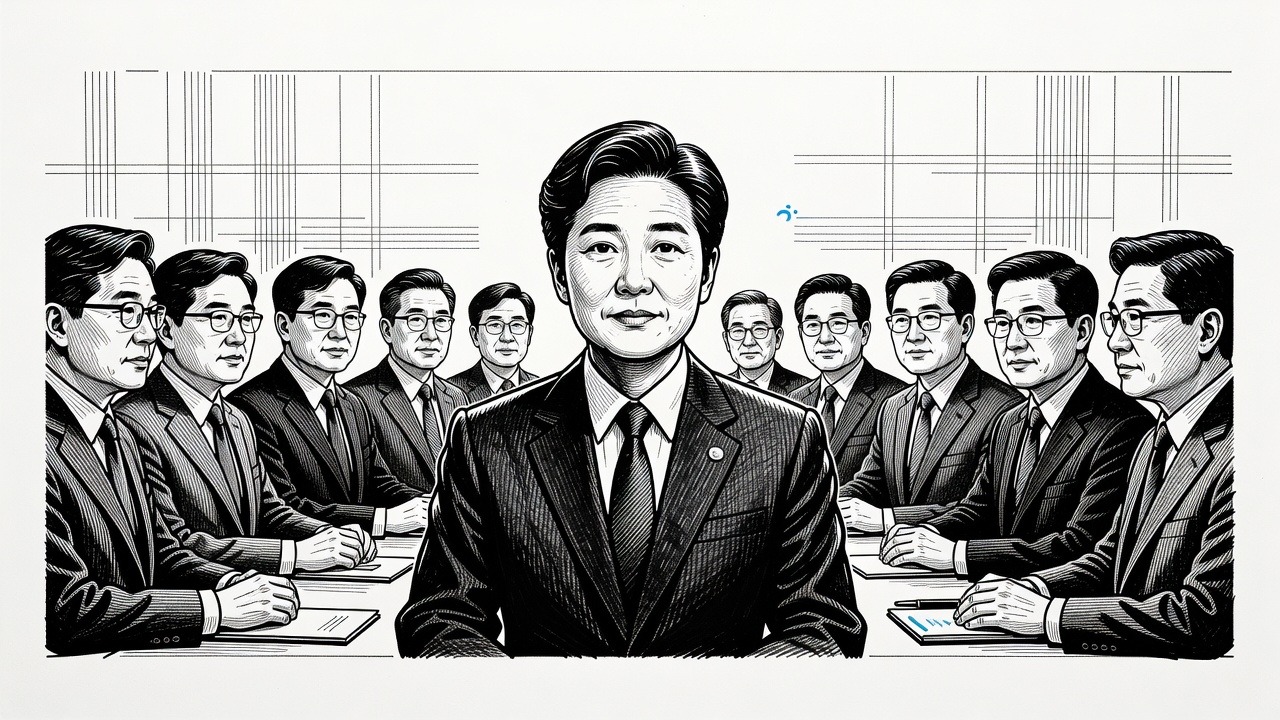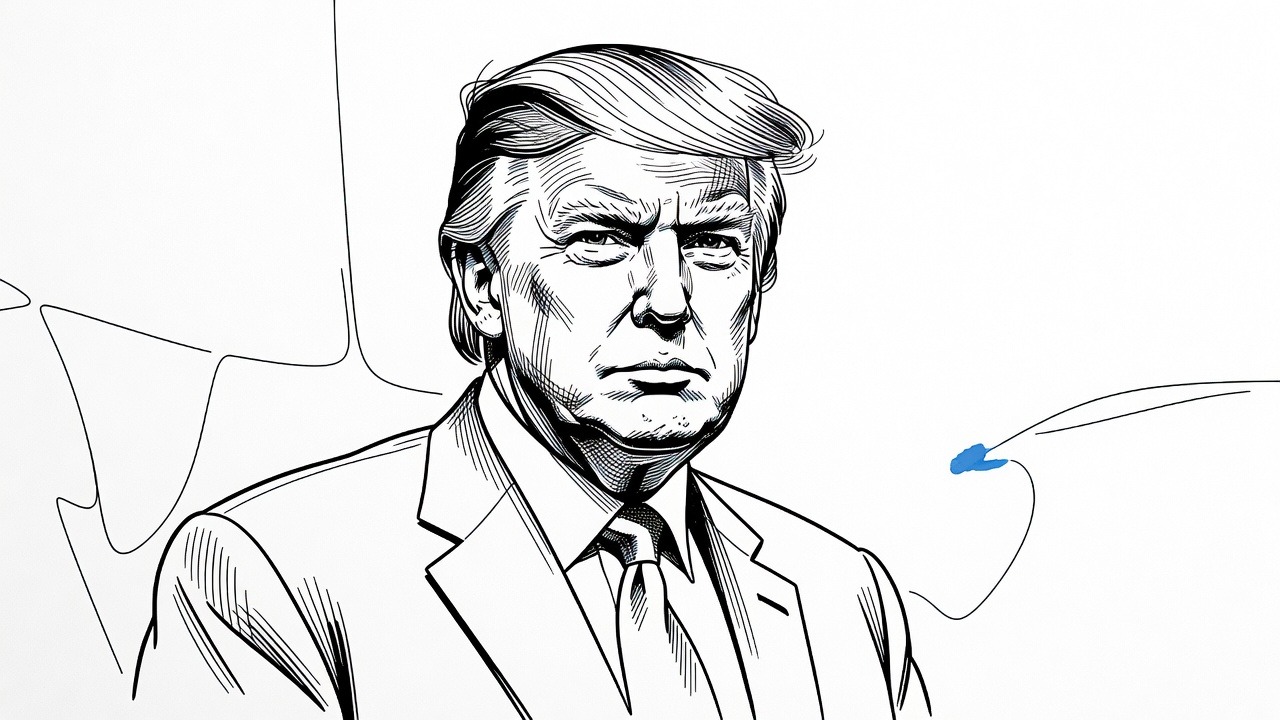
There is nothing wrong with an American president talking to Xi Jinping. The Left, of all people, should say so plainly. Diplomacy with rivals beats drift toward war, and anyone who treats a handshake as appeasement has learned nothing from the last twenty years of reflexive hawkishness.
The problem is what Donald Trump's itinerary says about how he does diplomacy. He stops in Manila, then flies to Shenzhen to sit down with Xi and Putin, while angling for Kim Jong Un, who Chinese officials say they know nothing about. The treaty ally gets a layover. The autocrats get the main event.
The Philippines is the country actually living the South China Sea dispute. Its fishermen get blasted with water cannon at sea. Its coast guard gets rammed. Its government is being asked to host more American military access, which makes it a target as well as a partner. Manila bears the physical risk of American strategy. In return it gets a photo op and, if history is a guide, a tariff bill. Washington has treated even close friends in the region as sources of leverage and revenue, not partners.
Now consider Ferdinand Marcos Jr.'s claim that a South China Sea code of conduct is 85 to 90 percent done. Anyone who has followed this knows the number is carrying more weight than it can bear. ASEAN and China pledged to a code in 2002. They have been negotiating it, in one form or another, for most of this century. The last 10 to 15 percent is the whole thing: whether it binds, who enforces it, and whether it covers the waters Beijing claims as its own despite the 2016 arbitral ruling, which China calls void. A code that China can sign and ignore does not constrain Beijing. It gives Beijing a diplomatic alibi while the coast guard keeps ramming boats.
That is where Trump's style becomes dangerous. His method is personal and transactional, and it treats every issue as tradable. A president who wants a trade truce, a soybean purchase or a headline about Kim can very easily decide that a rock called Scarborough Shoal is someone else's problem. He does not need to announce a betrayal. He only needs to stay quiet at the right moment, and an ally learns the lesson. Since there are no institutions behind this diplomacy, nobody can say what is on the table. Congress is not consulted. The public gets a Truth Social post.
And the Left should be honest about its own gap. Democrats have mostly offered two answers to China: match Trump's tariffs or out-hawk him. Neither describes a foreign policy that protects Filipino fishermen or American workers. A real alternative would put alliances, the law of the sea and multilateral rules at the center. It would treat smaller countries as sovereign actors, not as bases or bargaining chips. It would also take seriously the Filipino voices, on the left and elsewhere, who don't want their archipelago turned into a forward arsenal for a great-power rivalry. That is harder than denouncing Trump. It is also the only position that doesn't leave small countries choosing between being used and being abandoned.
Sitting with Putin and Xi in the same week sends a message about priorities, whatever the outcome. Strongmen who invade neighbors, harass fishermen and menace Taiwan are treated as the indispensable counterparts. Democracies that share the burden are treated as stops on the way.
The tell will be small. Watch whether Trump mentions the 2016 ruling. Watch whether the Mutual Defense Treaty gets a clear public reaffirmation or a mumble. Watch whether Marcos comes home with commitments or with compliments. If it's compliments, a deal may already have been struck somewhere else.