Let's be clear about what the Left should not say. We should not say that Donald Trump shouldn't talk to Xi Jinping. Two nuclear-armed powers that account for a huge share of the world economy should talk constantly. The reflexive hawkishness that has long passed for seriousness in Washington, including in my own party, has produced plenty of sanctimony and very little peace.
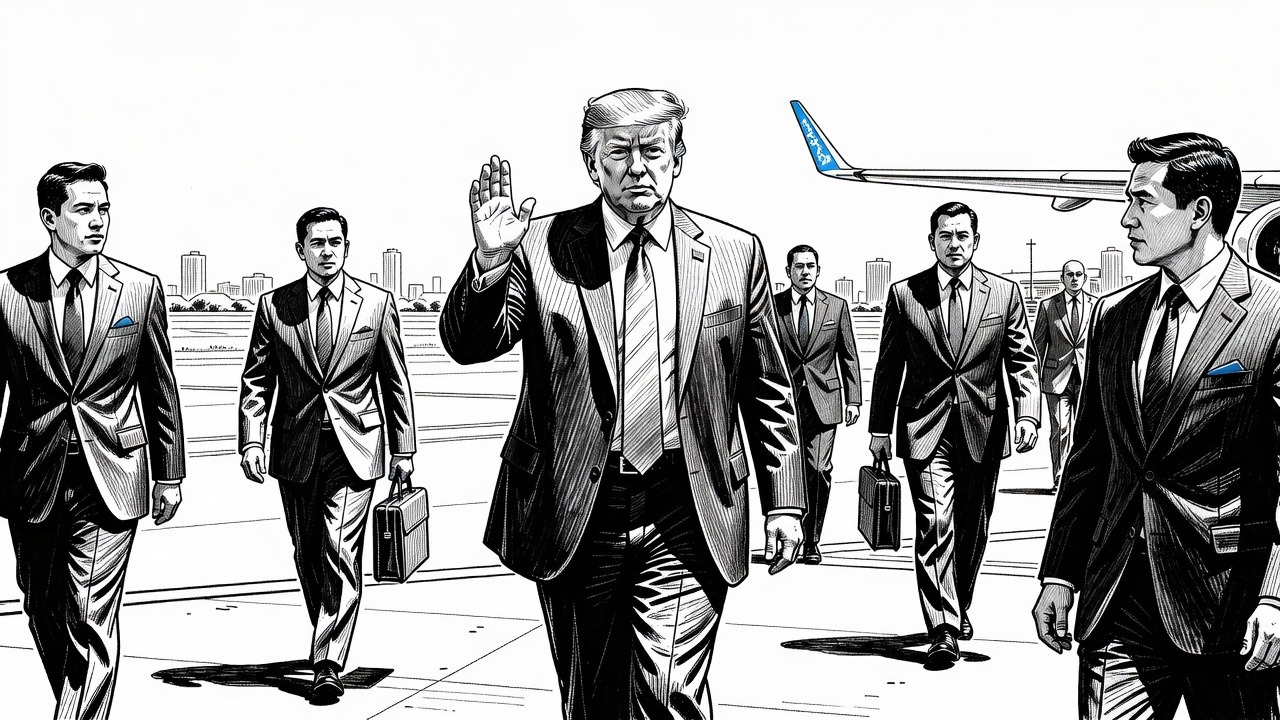
The problem is how Trump talks. Ahead of the Shenzhen meeting, he said he expects Xi to raise Taiwan and that he doesn't need to bring it up himself.
Think about that. Taiwan is a democracy of roughly 23 million people. Its future is the most dangerous flashpoint in the world. The American president is heading into a room on Chinese soil, in a city that is itself a monument to Chinese manufacturing power, and announcing that he'll let the other man set the agenda. A negotiator who waits for the counterpart to name the price isn't negotiating. He's taking dictation.
Maybe it's just Trump being Trump, casual and improvisational. But his improvisation has a pattern: policy as personal rapport, with no process behind it. Where is the interagency work? Where are the allies in Tokyo, Seoul and Manila, who would live next to the consequences of any shift on Taiwan? Where is Congress, which supposedly has a say in this commitment? A Taiwan policy decided between two men over a banquet is not a policy. It's a gamble with other people's lives.
Then there's the second item: a possible Trump-Xi-Putin meeting, which Canada's Mark Carney says Brazil's Lula encouraged, with the aim of ending the war in Ukraine. I take Lula's motives at face value. The Global South has every right to demand that the great powers stop letting a European war distort food prices, energy costs and diplomacy worldwide. Plenty on the Left have argued for years that this war needs a negotiated end.
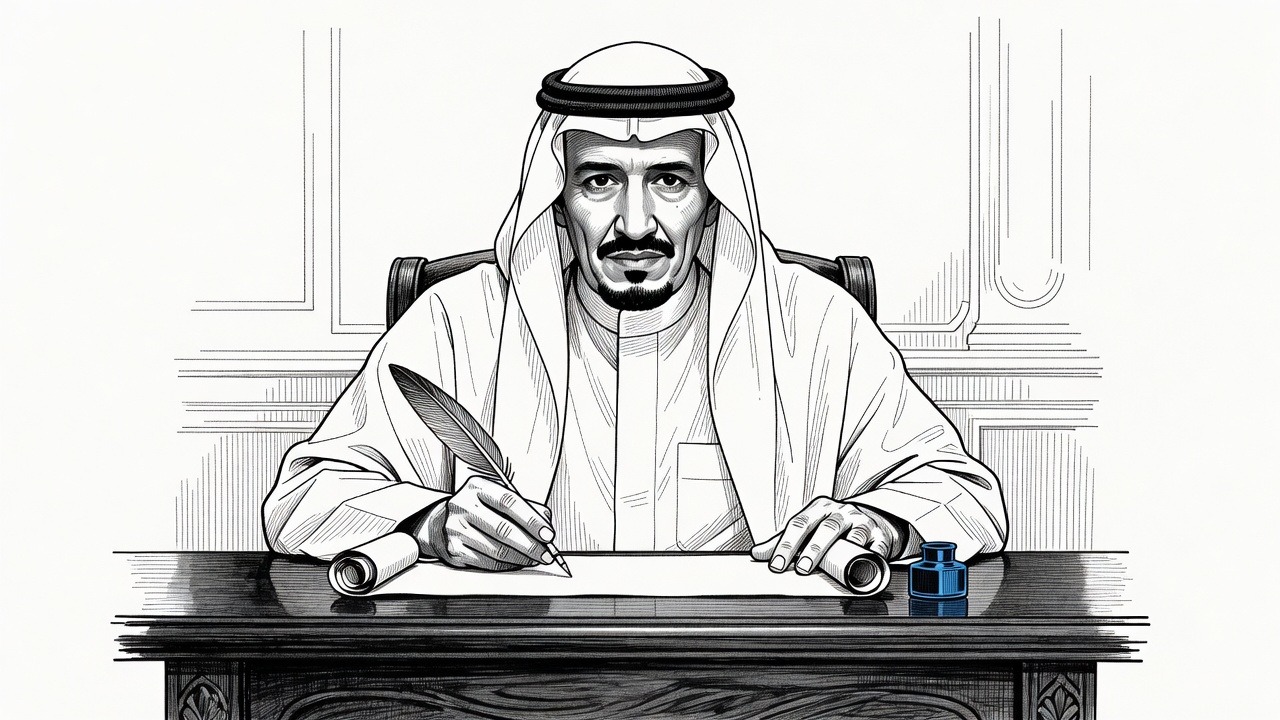
But look at who is in that picture: three men, none of them Ukrainian. A negotiation about Ukraine's borders, security and future, held among the leaders of the invader, the invader's economic lifeline and the country whose support has been the difference in the fight. That isn't peace diplomacy. That's a spheres-of-influence conference, the kind of arrangement in which smaller nations are discussed in the third person.
The Left's anti-war tradition has always rested on a principle that is easy to forget when the word "peace" gets invoked: self-determination. We opposed Iraq not because Iraqis didn't matter but because they did. A peace in which Ukrainians and Taiwanese are bargaining chips isn't a left-wing peace, however much it gets sold with the language of de-escalation.
And Democrats should stop pretending they're in a strong position to object. Their China politics has been a long competition to sound tougher than Republicans, with tariffs retained and a rhetoric of confrontation that never came with a theory of what coexistence looks like. When there's no alternative vision, a president who treats the whole thing as a deal-making exercise can look like the only one with a plan. A Democratic opposition worth the name would say plainly: yes to talks, yes to arms control and climate cooperation, yes to stabilizing trade, and no to bargains struck over the heads of the people they concern.
The standard isn't hard. If the president can't say, before he lands, what he wants on Taiwan and Ukraine, then the one wearing the borrowed leverage in Shenzhen is Trump. Everyone else, and especially the people of Taipei and Kyiv, should be very nervous about who's holding the pen.