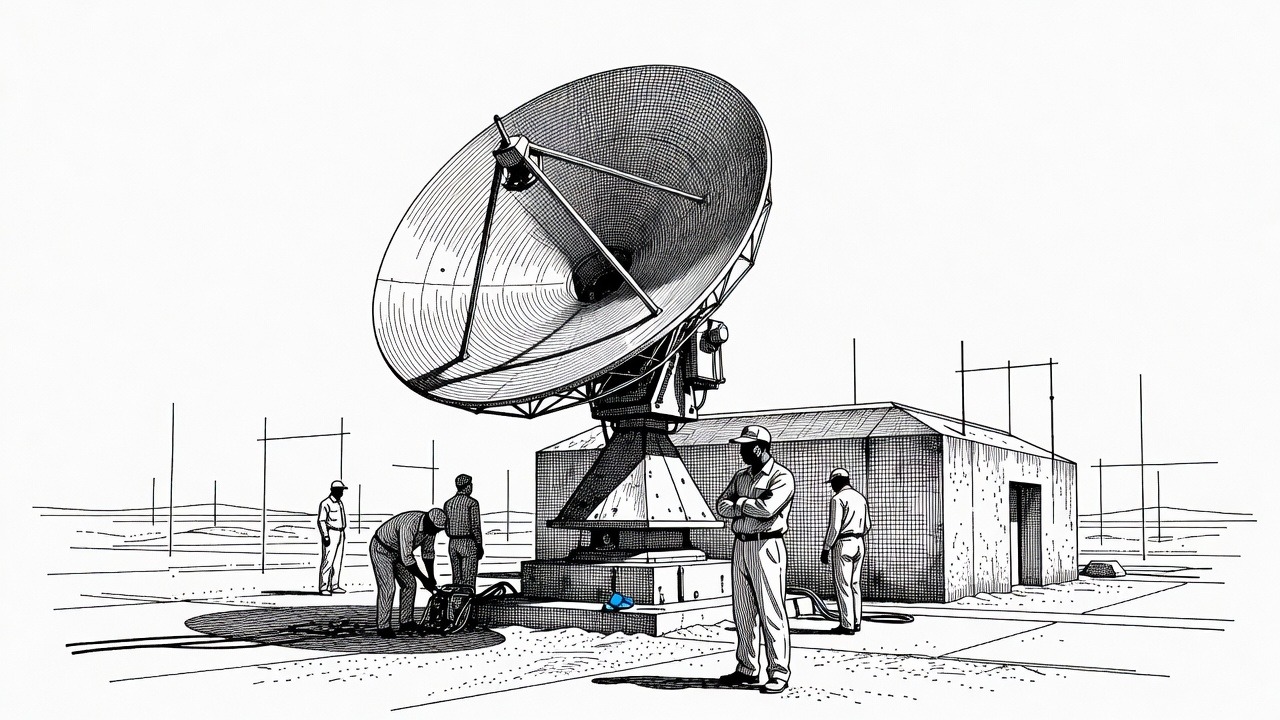
Read the dispatch closely, because its structure is the story. Iran says it hit a U.S. radar at Sheikh Isa Air Base. Bahrain says it intercepted several threats and issued an all-clear. Kuwait says its air defenses engaged drones, and adds nothing. An Iranian official says U.S. strikes on Qeshm Island damaged no homes. Iran says three tankers hit mines in the Strait of Hormuz, while the U.S. military says it already cleared the main channels.
Every sentence is a claim from a party with a reason to shape it. Nobody outside the fighting can say what was hit, what was destroyed, or who is winning. Americans have seen this fog before, in Iraq, and it ended in the same place: a war the public never really chose, sold by officials who could not be checked.
So start with the question this coverage keeps skipping. Where is the vote? The Constitution gives Congress the power to take the country to war. If American forces are trading strikes with Iran across the Gulf, in Bahrain, Kuwait and the Strait of Hormuz, that is not a gray-zone skirmish. It is a war, however delicately it is described. I have seen no authorization debate that matches the scale of what is happening. Presidents of both parties have spent decades treating the War Powers Resolution as decoration, and Congress has let them.
That includes my own side. Too many Democrats are happy to issue a statement of concern and then vote for the defense budget that makes the whole machine run. If you believe this escalation is reckless, force the vote and make every member go on record. Dodging it is not caution. It is cowardice that lets a president own the war while Congress keeps deniability.
Then look at who is actually exposed. Bahrain hosts the U.S. Fifth Fleet. It is also a monarchy that, with Saudi help, crushed its own pro-democracy uprising in 2011 while Washington mostly looked away. For years we have called these arrangements stability. In practice we tied the safety of American service members to autocratic hosts, then acted surprised when those bases became targets. The sailors and airmen on those bases did not design this strategy. They are living inside it.
The mines make the same point. A cheap mine can threaten a tanker worth many times its cost and close a waterway that carries roughly a fifth of the world's oil. The ones who pay are not the officials briefing from podiums. They are the crews on those ships, the Gulf migrant workers who keep the region running, and families at home who will feel it at the pump and in the price of everything shipped by sea. Military escalation turns global commerce into a hostage, and ordinary people pay the ransom.
None of this makes Tehran innocent. The Revolutionary Guards are a repressive force that crushes dissent at home and arms proxies abroad, and nobody on the Left should romanticize them. But condemning Iran's government is not a strategy, and nothing here suggests one exists. What is the objective? What does ending this look like? What happens when a drone gets through and Americans die? The answer to those questions is always more force, because no one has defined an alternative.
The Left's argument is not softness. It is that a democracy should not drift into a war by increments, announced through the other side's press releases. Demand a public accounting, a congressional vote and a stated end point. And demand a diplomatic channel that someone in power has actually tried to use. Without that, every all-clear notice is only an intermission.
How it may affect me
The Strait of Hormuz carries roughly a fifth of the world's oil, so prolonged disruption can push up gasoline, diesel and shipping costs, and eventually the prices of goods moved by sea. Watch fuel prices and shipping insurance rates. Military families with relatives stationed in the Gulf should expect more uncertainty than official all-clear notices suggest.